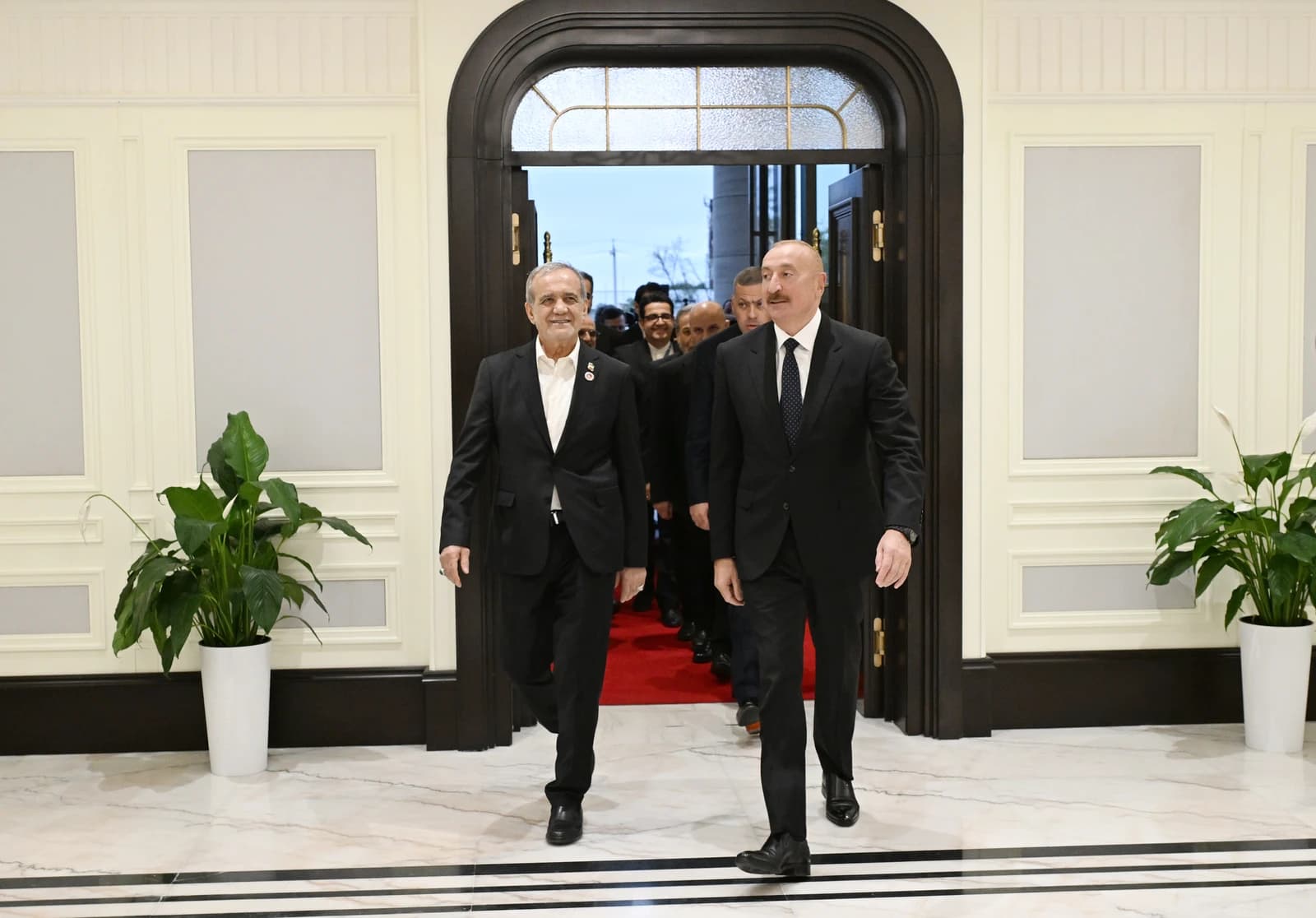
President Abdel Fattah al-Sisi’s tour of Asia is doing more than burnishing Cairo’s diplomatic profile: it is aimed at widening Egypt’s access to trade, investment and technology partners at a time when regional instability and global trade frictions are complicating growth prospects.
Egypt's Sisi tours Asia to seek trade and investment
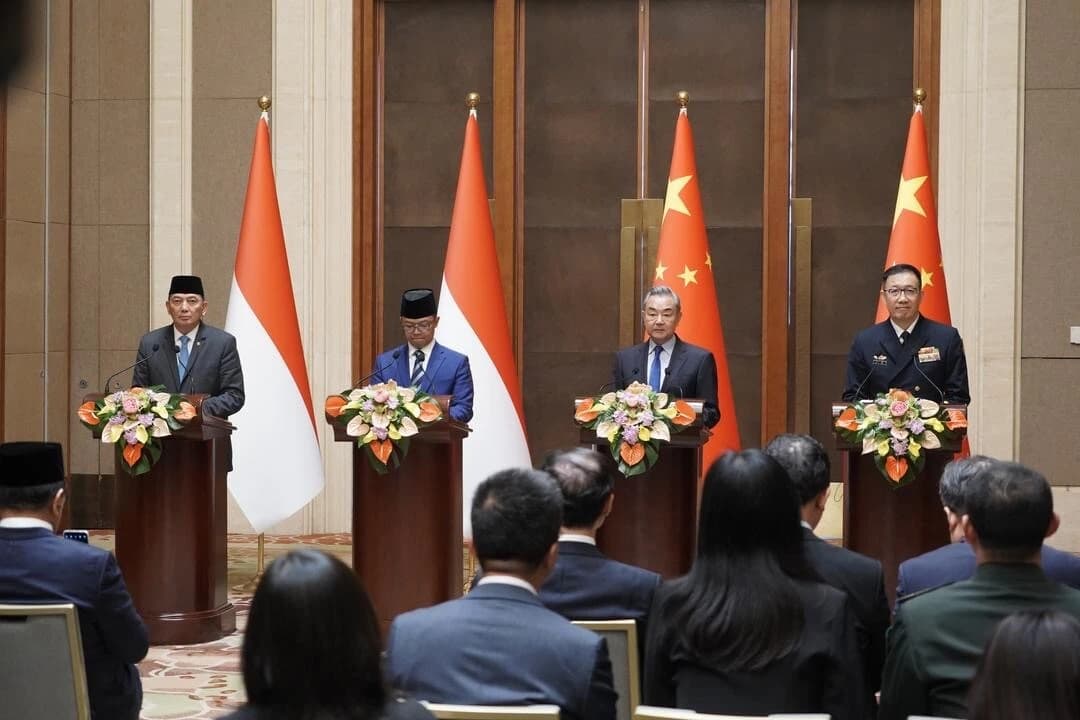
The trip, which included South Korea, Malaysia and Indonesia, underscores Egypt’s effort to position itself as a more attractive hub for industrial cooperation and export expansion, while leveraging long-standing political ties to convert diplomacy into economic gains. Analysts cited in local media framed the visit as part of a broader strategy of “strategic balance” that goes beyond conventional commercial agreements.
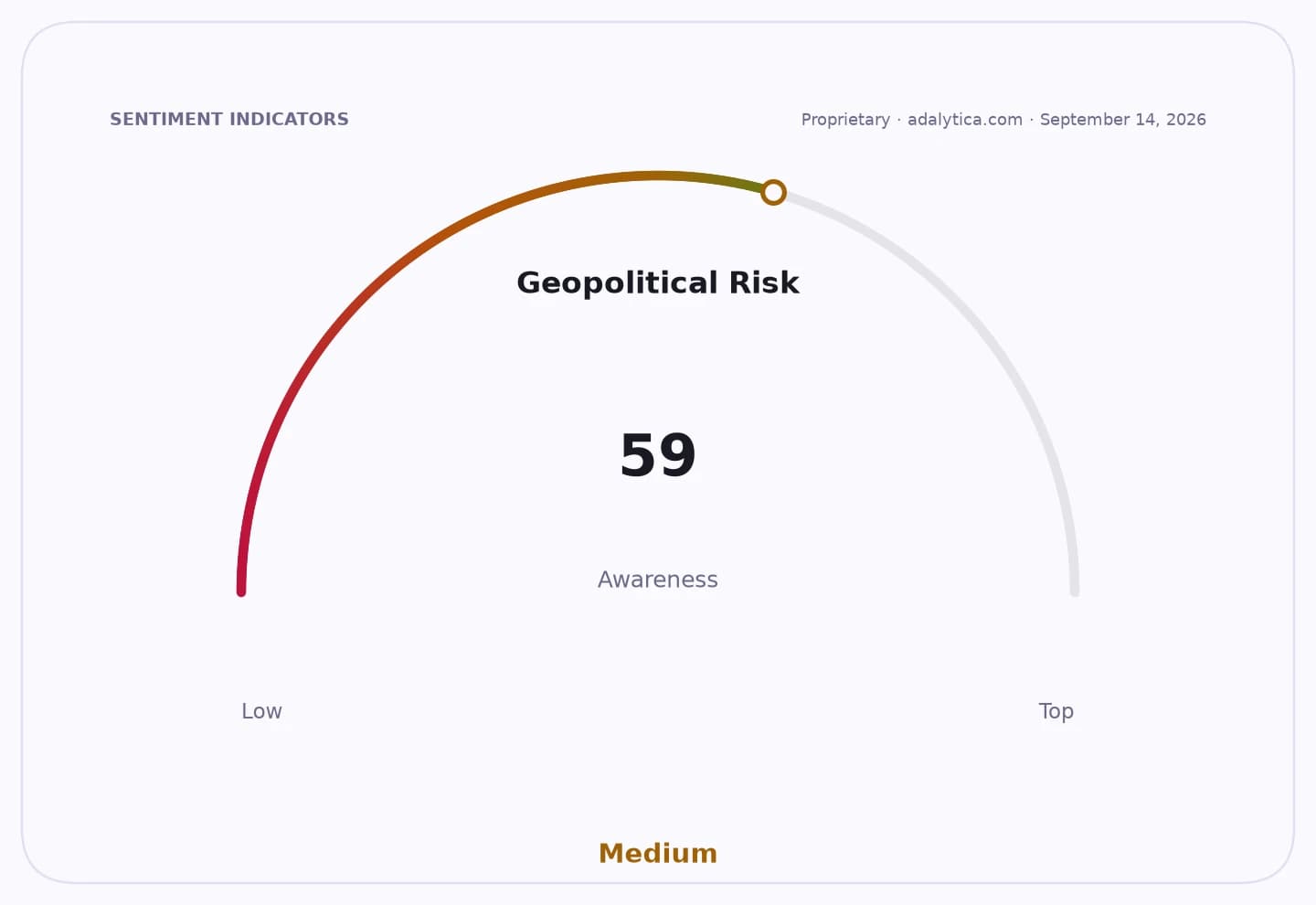
Sentiment IndicatorsⓘProprietary · adalytica.com · October 13, 2026
This is a snapshot — live sentiment, awareness and momentum for 130+ markets update continuously in the dashboard.Open AlphaPulse
That matters because Egypt is seeking to deepen external financing and diversify sources of capital just as governments across emerging markets face tighter global liquidity, volatile energy markets and uneven demand from developed economies. The country’s leadership is trying to translate foreign policy into concrete economic offsets: more investment, technology transfer, tourism inflows and market access for Egyptian goods, including into African markets through Asian partnerships.
The emphasis on Malaysia is notable. Egyptian commentators said the bilateral relationship dates back to 1959, but the renewed push comes at a time when Cairo needs partners that can support industrialization and high-value sectors rather than only political symbolism. The same logic applies to South Korea, where cooperation can potentially extend into manufacturing, transport and digital infrastructure, and to Indonesia, which gives Egypt exposure to one of Asia’s largest Muslim-majority economies and a broader Islamic trade network.
For investors, the signal is that Cairo is trying to reduce some of the macro risks embedded in its own story. Egypt’s equity market has already shown sensitivity to confidence in policy credibility and external support, with shares of Orascom Development Egypt rising to 6.10 pounds on Oct. 12 from 6.00 pounds two sessions earlier, while the stock has remained above both its 50-day and 200-day moving averages. Technical indicators show the move is regaining momentum, with the 50-day average near 5.84 pounds and the 200-day average at 5.37 pounds, although the recent pullback from a September peak suggests investors are still testing how much of the diplomatic narrative will become hard cash flows.
The broader backdrop is less forgiving. A Reuters-style geopolitical risk gauge tracked at extreme greed for global stability but with extreme fear in awareness, reflecting how quickly sentiment can swing when the Middle East, trade routes and energy markets are under strain. Egypt’s outreach therefore lands in a market environment where any improvement in partnerships, tourism access or industrial deals can matter disproportionately because it offers a counterweight to regional risk.
The bull case is that the Asian tour helps Egypt secure practical deals that support exports, tourism and foreign direct investment, reinforcing the argument that the economy is becoming more open and more resilient. The bear case is that diplomacy alone will not solve structural constraints — from foreign currency needs to the pace of private-sector reform — and investors will ultimately judge the trip by signed agreements, project timelines and funding flows.
For now, the message from Cairo is clear: Egypt wants its Asian relationships to become a growth engine, not just a diplomatic talking point. The next test is whether the trip delivers measurable commercial follow-through in the months ahead.
| Entity | Gains | Losses |
|---|---|---|
| Egypt | ▲More trade and investment access | ▼Diplomatic rhetoric without deal flow |
| Asian partners | ▲New market foothold | ▼Exposure to regional volatility |
| Investors in EGY | ▲Potential re-rating on cooperation wins | ▼If economic benefits stay abstract |
| Rival emerging markets | ▲None | ▼Egypt gaining a competitive edge |