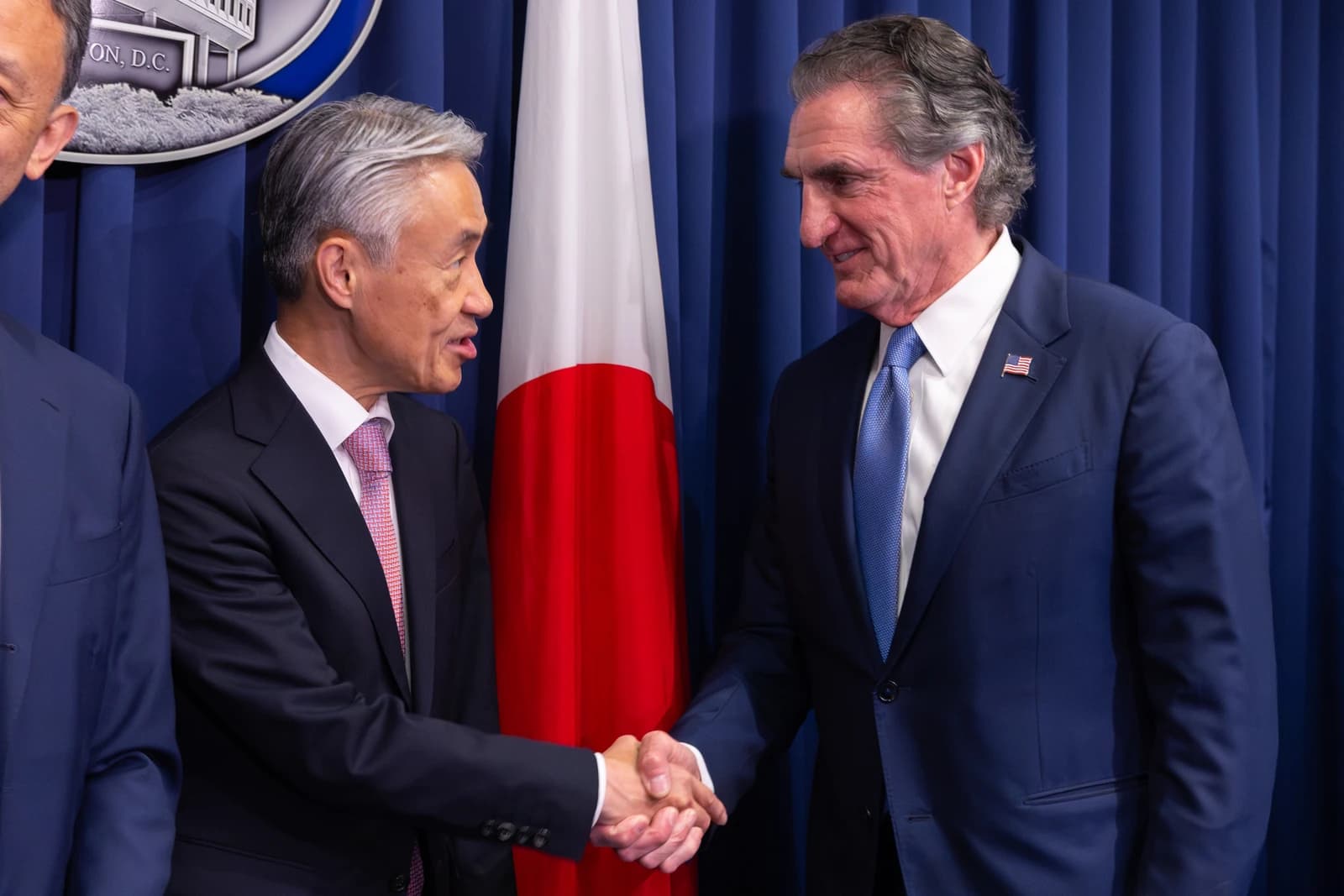
Egypt’s push to turn its relationship with South Korea into a broader strategic partnership is gaining its clearest political backing yet, with President Abdel Fattah al-Sisi making a three-day state visit to Seoul — the first by an Egyptian head of state since 2016.
Egypt-South Korea ties deepen during Sisi Seoul visit
The trip matters because it comes at a time when Cairo is trying to pull in more foreign capital, technology transfer and industrial investment while Seoul is looking for deeper economic links beyond its traditional Asian and Western partners. For investors, the visit raises the prospect of new bilateral deals in manufacturing, infrastructure, transport and energy that could support Egypt’s long-term reform agenda and give Korean companies a larger foothold in the Middle East and Africa.
Sentiment IndicatorsⓘProprietary · adalytica.com · October 8, 2026
This is a snapshot — live sentiment, awareness and momentum for 130+ markets update continuously in the dashboard.Open AlphaPulse
Sisi’s appearance at a roundtable with leading Korean companies and business representatives was the most concrete sign that the visit is being used to convert diplomatic goodwill into commercial pipeline. In practical terms, that could mean projects linked to industrial localization, rail equipment, mobility and other capital-intensive sectors where Korean firms have a competitive edge and where Egypt wants to reduce import dependence and save foreign currency.
The timing is important for Cairo. Egypt has been under pressure to attract investment and rebuild confidence after years of currency strain, high inflation and repeated external financing gaps. Any agreement that brings in export-oriented manufacturing, local production or long-dated infrastructure spending would be welcomed because it can ease hard-currency pressure and deepen supply chains. For Seoul, Egypt offers access to a large domestic market, a gateway to Africa and the Arab world, and a government eager to anchor new industrial partnerships.
The market angle is less about an immediate price reaction than about medium-term re-rating potential. Korean industrial groups and contractors could benefit if the trip leads to public- or private-sector contracts, while Egyptian assets would stand to gain if the visit produces fresh foreign direct investment or signals a more durable partnership with a major Asian economy. The visit also fits Cairo’s broader effort to localize transport manufacturing, a priority that could create openings for Korean rail and mobility suppliers.
Still, the bull case depends on follow-through. State visits often generate memorandums and headline pledges without near-term execution, and Egypt’s investment appeal will still hinge on macro stability, financing conditions and the pace of reform. The bear case is that the trip remains largely symbolic if it does not translate into signed projects or financing commitments.
For now, the significance is political and commercial: Cairo is trying to reposition its ties with Seoul from routine diplomacy to a strategic economic relationship, and the visit is the strongest signal yet that both sides want that upgrade.
| Entity | Gains | Losses |
|---|---|---|
| Egypt government | ▲FDI prospects | ▼Near-term funding pressure |
| Korean industrial firms | ▲New project pipeline | ▼Limited upside if talks stall |
| Egyptian exporters | ▲Better market access | ▼Import-dependent sectors |
| Competing suppliers | ▲— | ▼Potentially displaced on contracts |