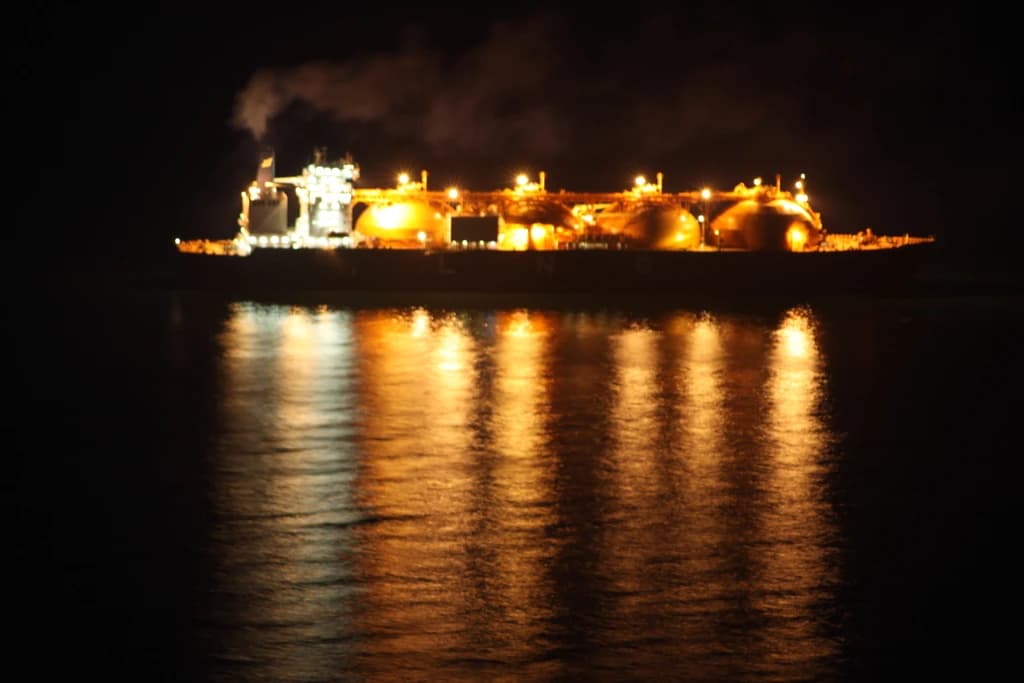
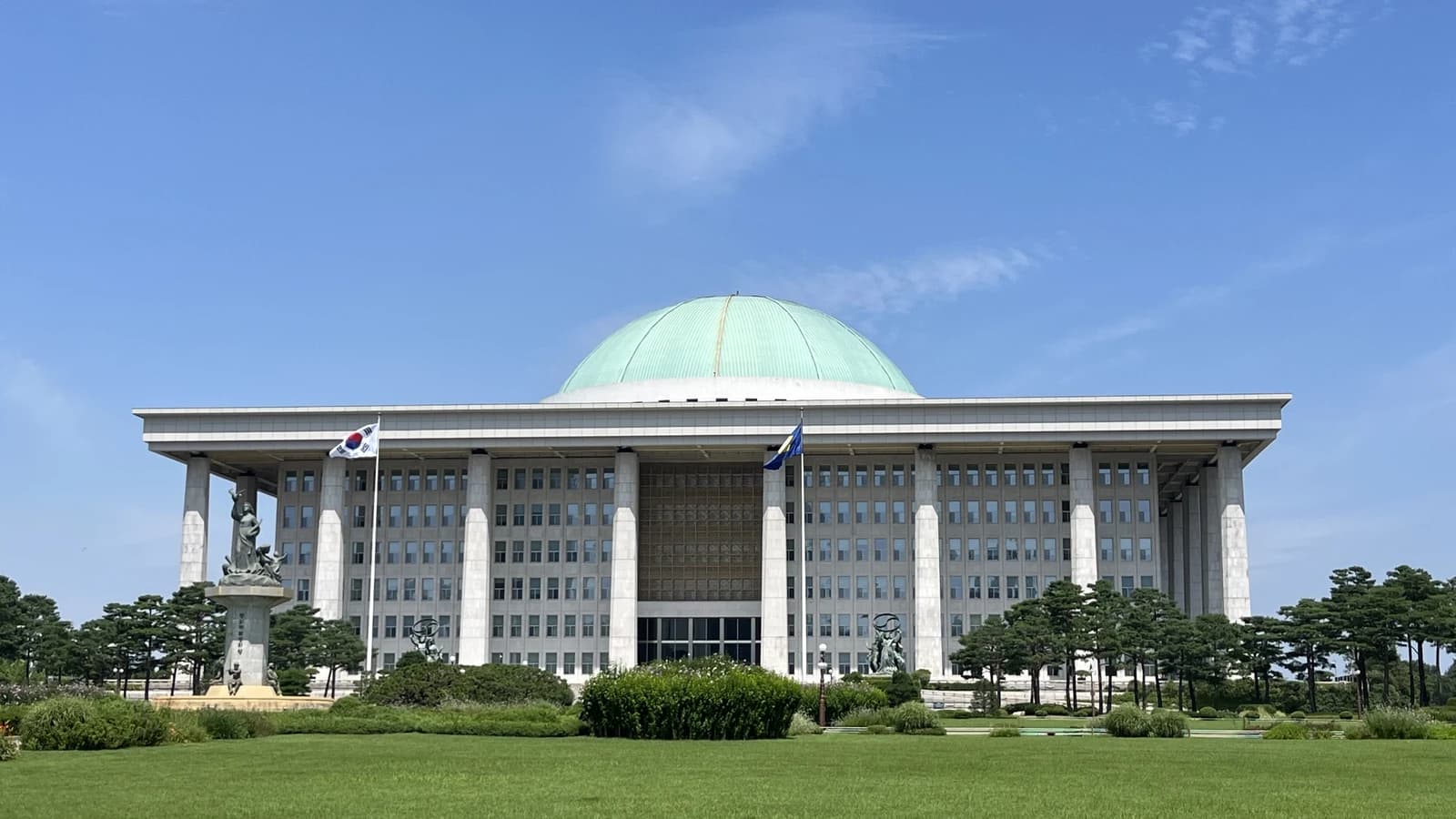
South Korea is pressing for commercial safeguards before backing Alaska LNG, setting up a test of whether the project can survive as a business case or be pushed through as a geopolitical one.
South Korea reviews Alaska LNG terms
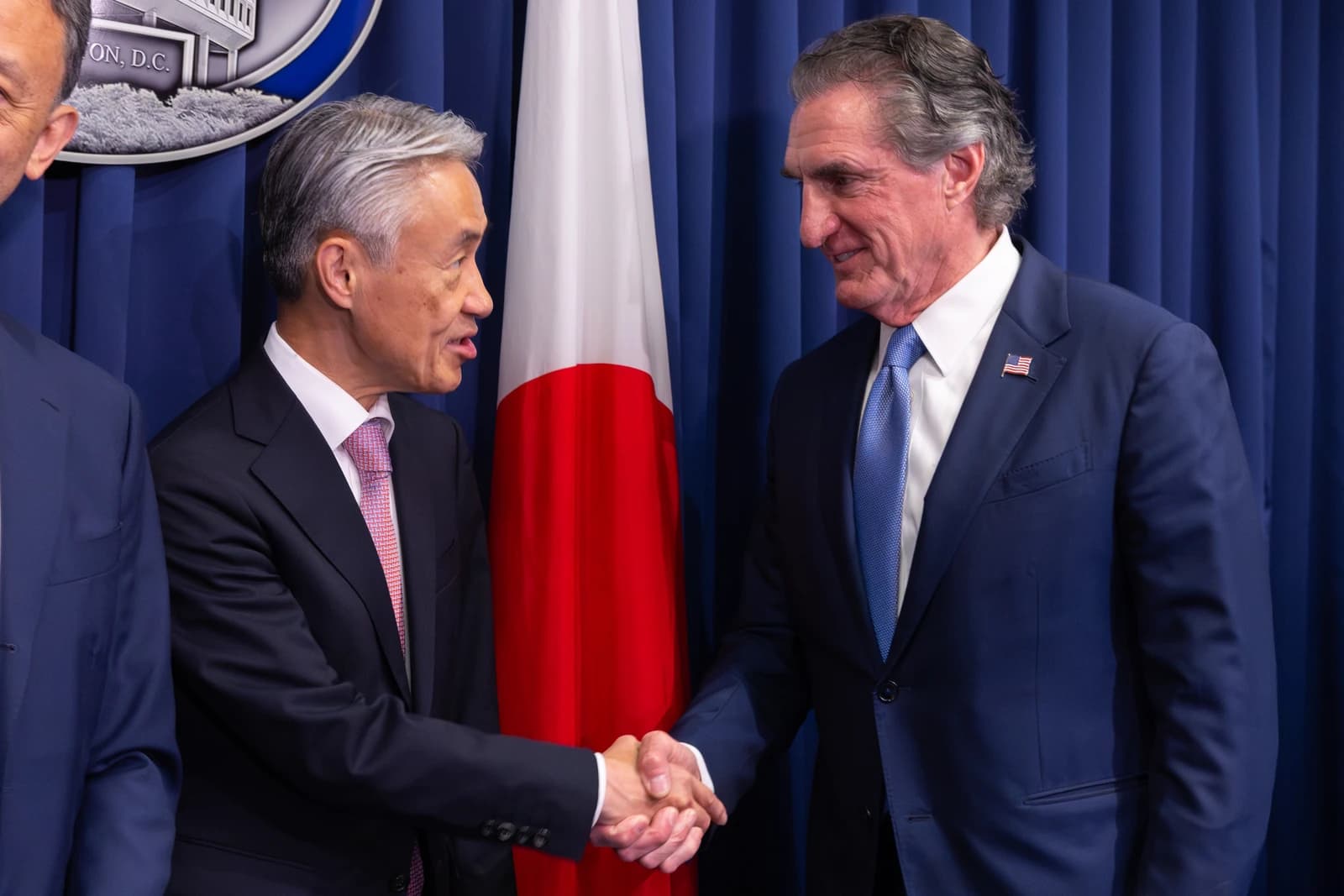
The clash matters because Alaska LNG has become a proxy for how far Washington can use trade and security leverage to accelerate a capital-intensive energy project that has struggled for more than a decade. For Seoul, the issue is whether participation can be justified by long-term supply security and acceptable returns. For investors, the answer will shape not only the project’s financing odds but also the outlook for U.S. LNG developers, pipeline contractors and the broader North American gas export buildout.
Sentiment IndicatorsⓘProprietary · adalytica.com · October 4, 2026
This is a snapshot — live sentiment, awareness and momentum for 130+ markets update continuously in the dashboard.Open AlphaPulse
President Donald Trump has publicly ratcheted up the pressure, saying the U.S. could charge more if South Korea does not agree and threatening to “double” whatever is at stake if talks fail. He did not specify what would be doubled, but the message was clear: Washington wants faster commitments.
That contrasts with Seoul’s insistence that any decision must satisfy “commercial rationality” and domestic legal requirements. South Korea’s industry ministry said it will review the project’s structure, tariff and tax support, permitting conditions and financing details before deciding whether to participate. Officials have also pushed back on the White House’s framing, saying U.S. comments went well beyond what had actually been agreed.
The gap between the two sides is not just semantic. The joint fact sheet only says the two countries will review Alaska LNG subject to commercial feasibility and legal conditions, and that the U.S. will support participation by Korean vendors and suppliers and help structure LNG purchase contracts at economically viable prices. It does not commit to an investment amount, timing or any guarantee of principal.
That leaves the project still in negotiation territory, despite the White House’s celebratory tone and the presence of Trump, Commerce Secretary Howard Lutnick and Alaska officials at the announcement. Lutnick has talked up a $50 billion project, while earlier estimates were as high as $67 billion. The drop in headline cost may help the politics, but it also underscores how fluid the project structure remains.
For Seoul, the attraction is strategic as much as financial. Alaska LNG would diversify supply away from the Middle East and Australia, and shipments from Alaska to Asia would avoid the Panama Canal, reducing exposure to chokepoints and geopolitical disruption. Yet the economics remain the central obstacle: the project has been delayed for years by permitting, harsh-weather construction challenges and financing complexity, all of which tend to inflate costs and weaken returns.
The U.S. move to place federal authorities more directly behind the project may improve the odds of securing permits and shortening the timeline, but it does not eliminate the core risk that the capital bill could rise again or that returns may not justify the spend. That is why Seoul is insisting on fresh due diligence and a site review before making a call.
For investors, the likely takeaway is that Alaska LNG is more alive than it was a year ago, but still far from bankable. A formal Korean commitment would be a positive for U.S. LNG names, engineering firms and Alaska-linked contractors, and it would reinforce the case for a broader North American gas export cycle. Failure to secure one would leave the project exposed to the same economics that have stalled it for years, even if political pressure intensifies.
The next catalyst is whether Washington can convert rhetoric into a bankable package with clearer terms on pricing, tax treatment, permitting and risk-sharing. Until then, Alaska LNG remains less a settled investment than a bargaining chip in a larger U.S.-Korea energy and trade negotiation.
| Entity | Gains | Losses |
|---|---|---|
| U.S. government | ▲Political win; export agenda | ▼Credibility if deal stalls |
| South Korea | ▲Supply diversification | ▼Investment risk, higher costs |
| Alaska LNG project backers | ▲Financing momentum | ▼Need to prove economics |
| LNG buyers/competitors | ▲Potential new supply | ▼Delay if talks drag on |