A civic group in Ulsan is demanding that South Korea’s National Assembly discipline Rep. Kim Tae-gyu as tensions on the Korean border sharpen after a mine blast in the Demilitarized Zone wounded three South Korean soldiers and drew a fresh war of words with Pyongyang.
South Korea border tensions after DMZ mine blast
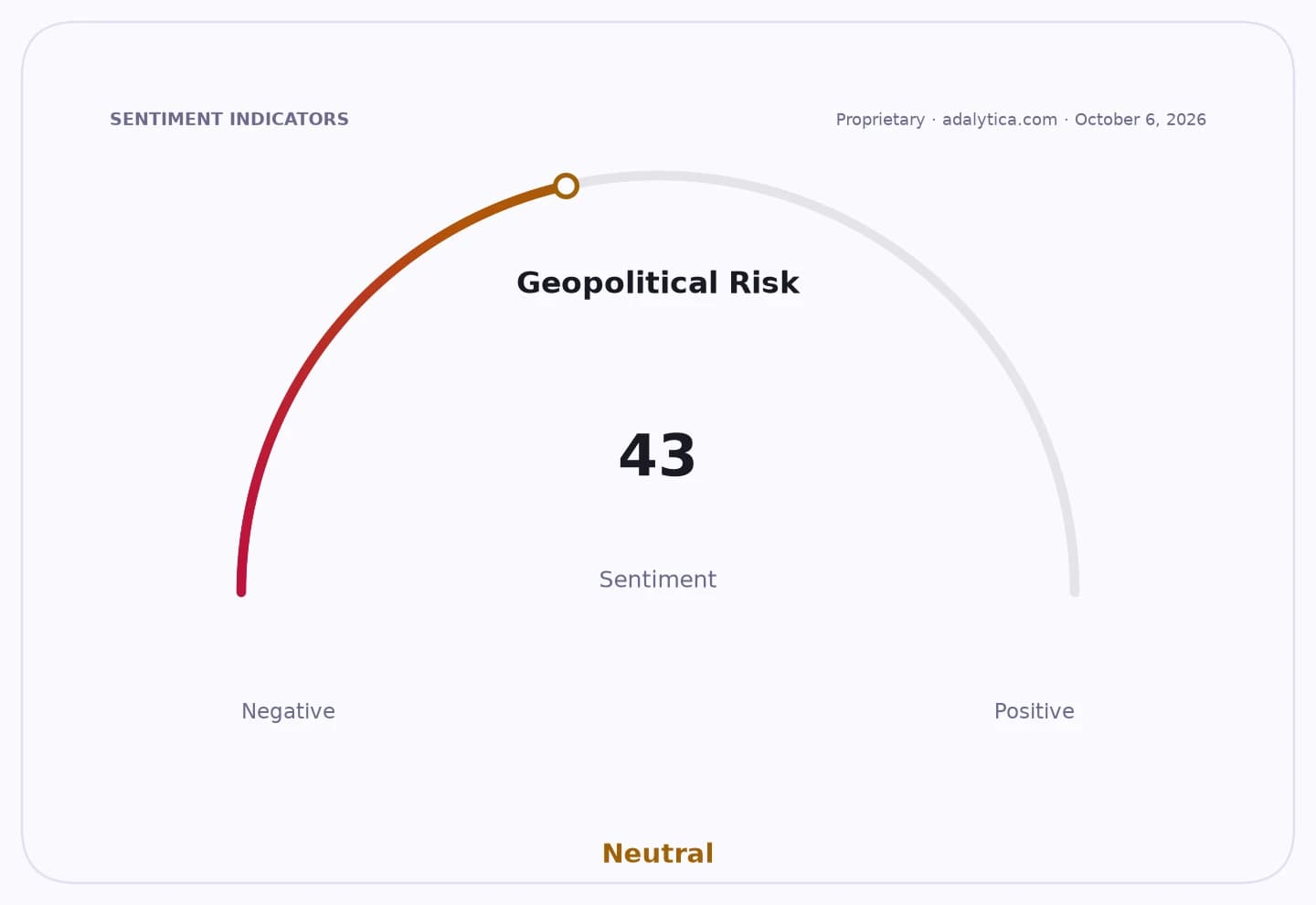
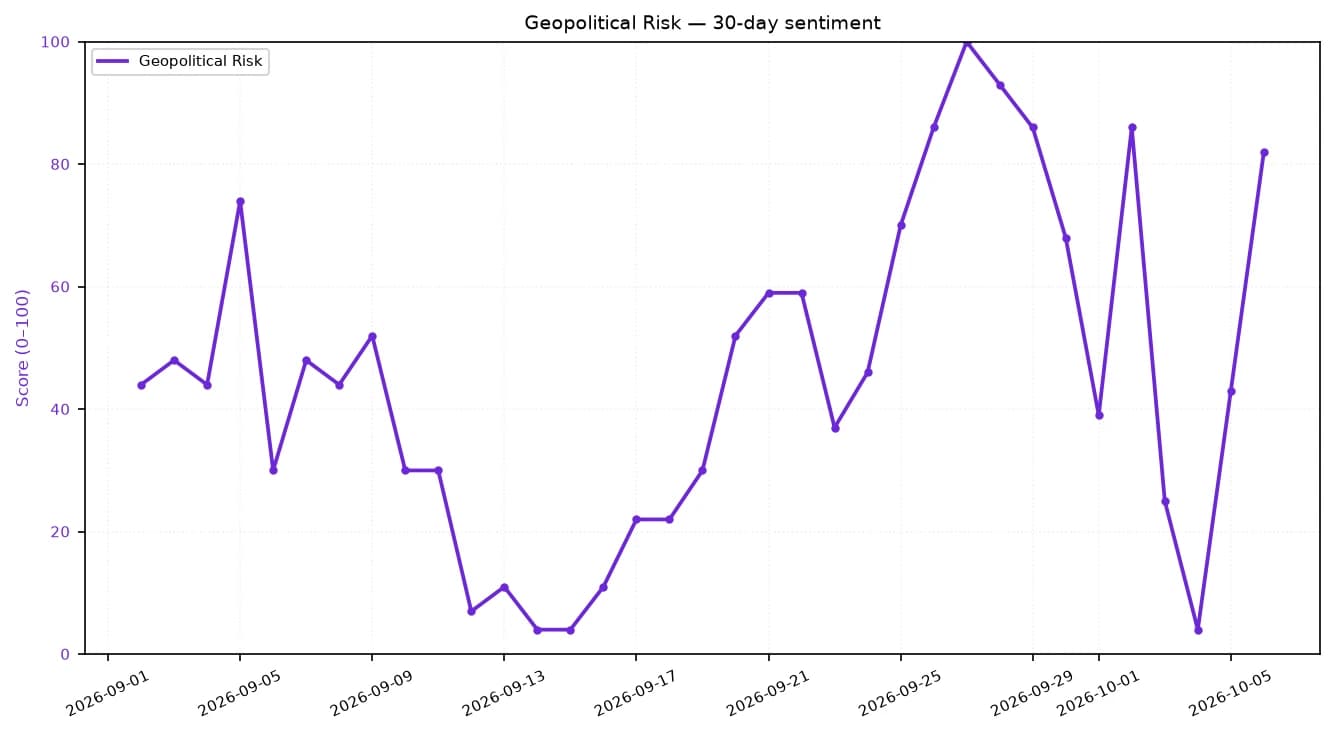
The call adds a domestic political dimension to a security flare-up that is economically significant because it threatens to raise geopolitical risk premia across South Korean assets at a time when investors are already sensitive to any sign of instability on the peninsula. The DMZ explosion, which Seoul and the U.N. Command say violates the armistice agreement, has revived concerns about the durability of the fragile ceasefire architecture that underpins business confidence, trade logistics and defense planning in Asia’s fourth-largest economy.
North Korea has denied responsibility and accused Seoul of inventing the incident, while South Korea demanded that Pyongyang stop border fortifications and apologize. President Lee Jae Myung has tried to counter the escalation by calling for renewed trust and dialogue, but the episode underscores how quickly inter-Korean relations can deteriorate and how limited the political room is for moderation when military incidents occur.
For investors, the main issue is not only the immediate diplomatic rhetoric but the possibility that border tensions bleed into broader market sentiment. South Korean equities and the won typically absorb any rise in security risk through defensive positioning, while sectors tied to consumer confidence, tourism and cross-border economic engagement are most exposed if the stand-off persists. Defense-related names, by contrast, can attract attention when tensions intensify, though any such move tends to be short-lived unless the situation worsens materially.
The Ulsan group’s demand that parliament move against Kim Tae-gyu suggests the incident is also becoming a domestic accountability test, with civic pressure likely to shape how hard lawmakers press on discipline and oversight. That matters because South Korea’s response to North Korea is never purely military or diplomatic; it is also political, and internal divisions can influence the credibility of Seoul’s message abroad.
The key question now is whether the episode remains a contained border incident or becomes another cycle of retaliation and counteraccusation. If dialogue resumes, the market impact may fade quickly. If military friction deepens, the risk is a broader repricing of Korean assets as investors demand more compensation for holding exposure to one of Asia’s most persistent geopolitical fault lines.
| Entity | Gains | Losses |
|---|---|---|
| South Korean defense contractors | ▲More attention to security spending | ▼Broader market risk if tensions escalate |
| North Korea hawks | ▲Stronger case for hardline policy | ▼Prospects for dialogue and easing tensions |
| South Korean government | ▲Opportunity to project resolve | ▼Pressure to manage domestic criticism |
| South Korean equities and won | ▲Temporary if tensions ease | ▼If geopolitical risk premium rises |