North Korea launched a ballistic missile into the East Sea on Wednesday, underscoring that Pyongyang is choosing escalation over diplomacy just as Seoul presses for dialogue and accountability over a recent mine blast that injured South Korean soldiers.
North Korea launches missile into East Sea
The launch, detected at about 6:30 a.m. from the Wonsan area, was North Korea’s 15th missile test this year and came 13 days after its previous firing. South Korea’s Joint Chiefs of Staff said the military was analyzing the missile’s range and specifications while maintaining heightened surveillance with the United States and Japan.
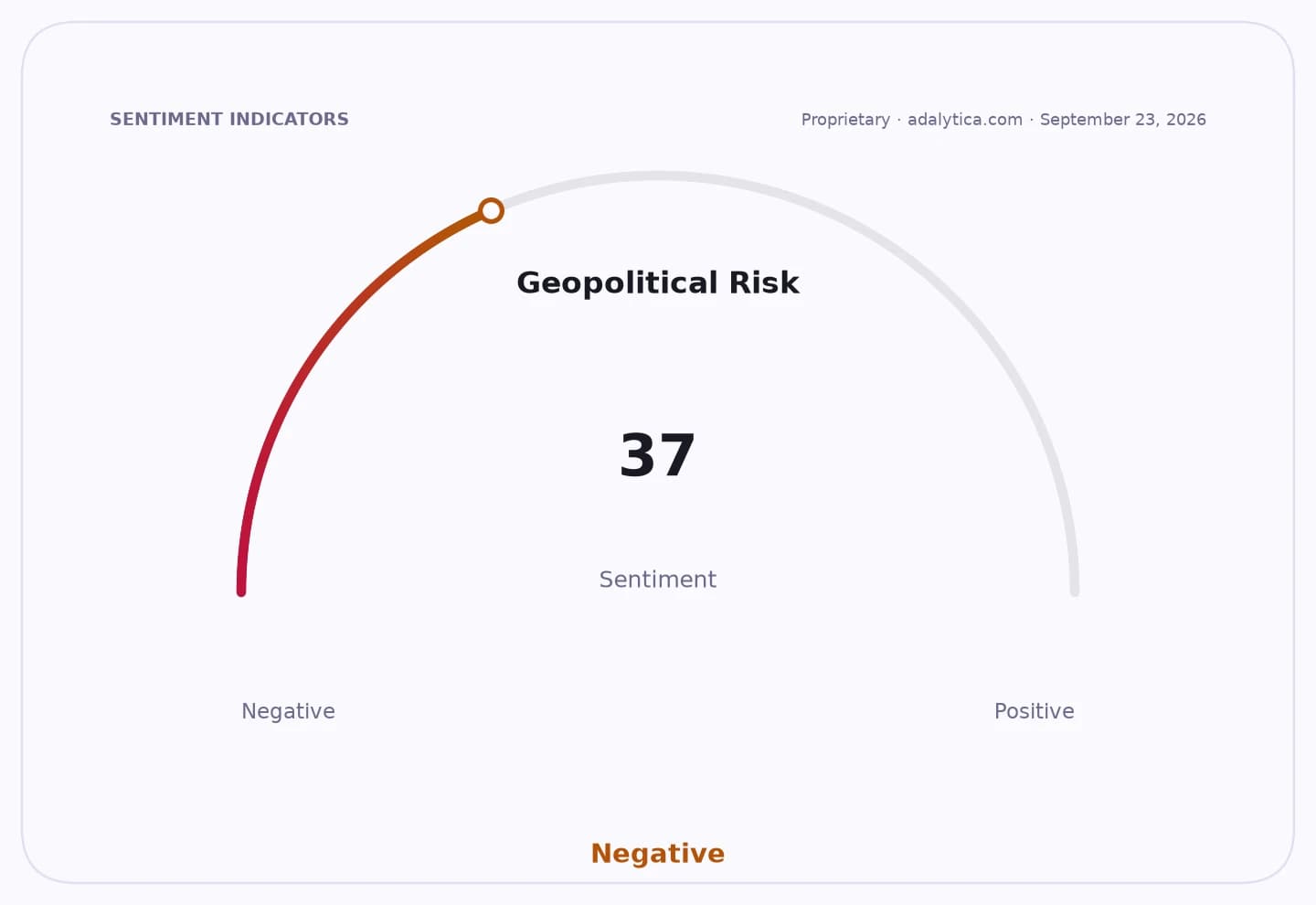
Sentiment IndicatorsⓘProprietary · adalytica.com · October 3, 2026
This is a snapshot — live sentiment, awareness and momentum for 130+ markets update continuously in the dashboard.Open AlphaPulse
The timing matters because it shows North Korea is responding to pressure with weapons signaling, not negotiation. That keeps geopolitical risk elevated on the Korean peninsula and reinforces the need for costly defense readiness across South Korea, Japan and U.S. forces in the region. It also complicates any near-term attempt by Seoul to restart inter-Korean engagement after Kim Yo-jong dismissed South Korean appeals for talks as delusional and rejected President Lee Jae-myung’s remarks on easing military tension.
The missile test followed South Korea’s demand, three days earlier, that Pyongyang apologize and take responsibility for a landmine explosion near the military demarcation line that badly wounded three South Korean troops. Seoul said on Friday that North Korean mines caused the injuries and called on the North to stop its border fortification work immediately. Pyongyang denied the accusation, calling it a fabrication and accusing the South of staging the incident.
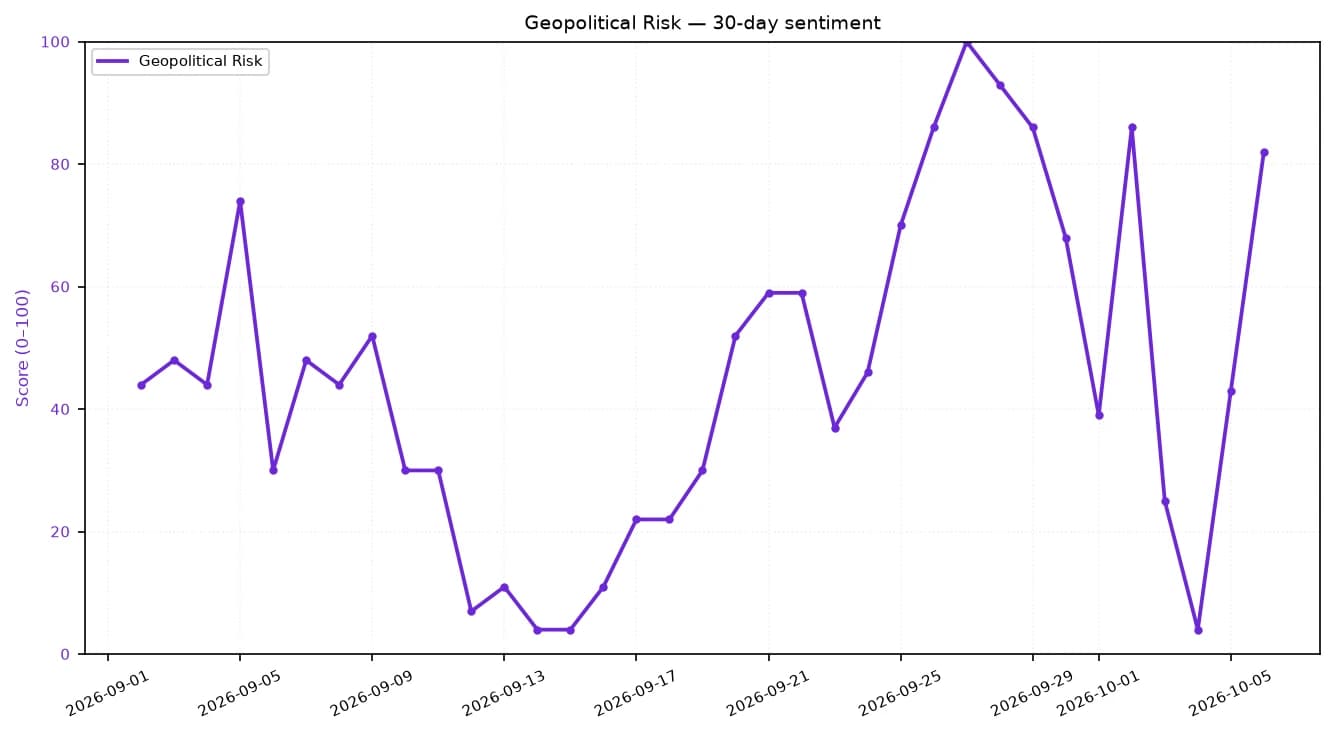
Geopolitical Risk — 30-day sentimentadalytica.com
Explore this data interactively — full history, time series and cross-market comparisons.Open AlphaPulse
For investors, the immediate impact is not a direct market shock but a higher geopolitical risk premium across Korean assets and regional defense supply chains. South Korea’s EWY exchange-traded fund rose to $191.88 on Friday from $182.78 two sessions earlier, while Japan’s FXY currency ETF was little changed around $58.07, suggesting markets were not pricing in a full-blown crisis even as tensions rose. That leaves room for volatility if the rhetoric hardens or if North Korea follows with further tests.
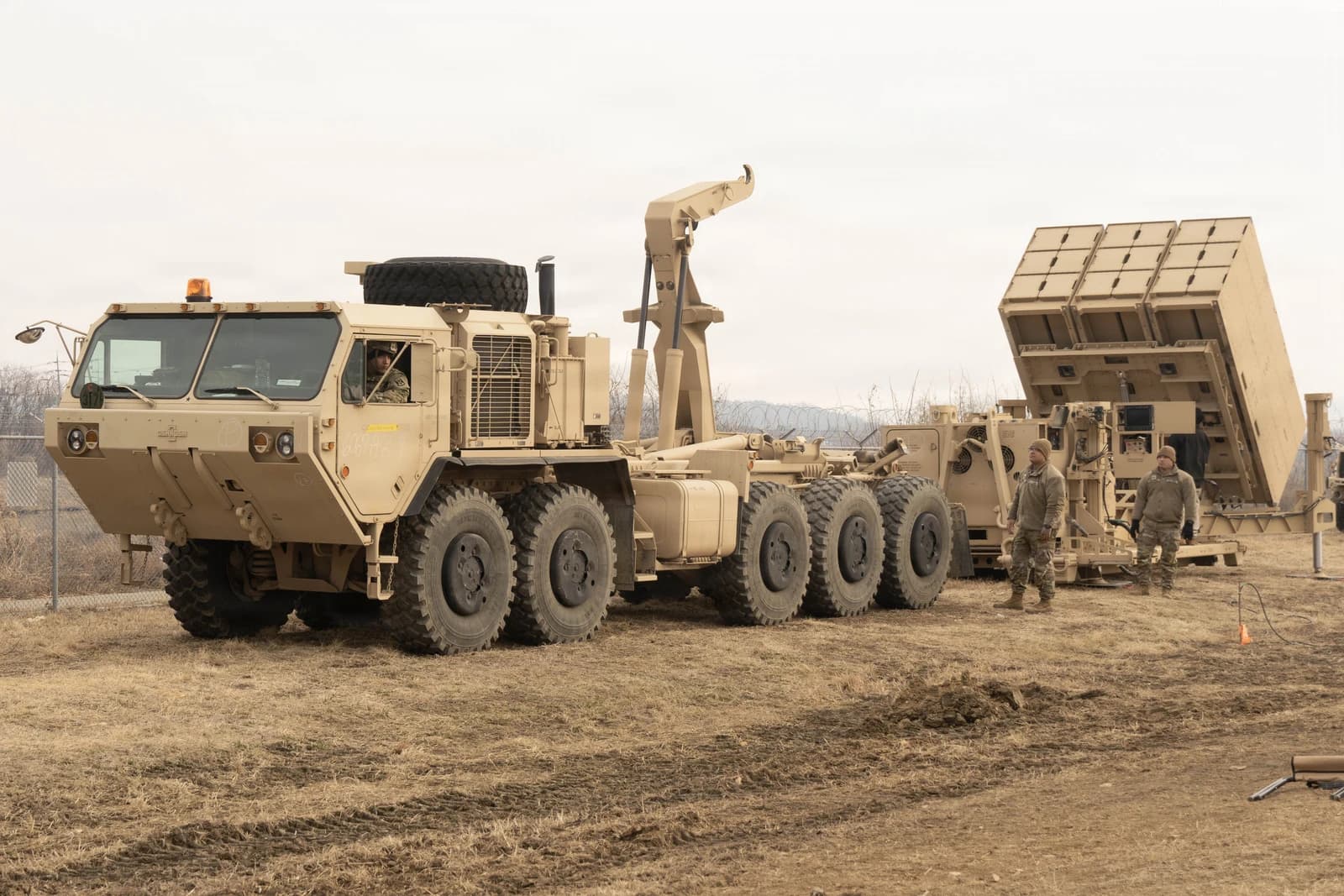
The broader backdrop is a pattern of repeated launches designed to keep pressure on Washington, Seoul and Tokyo while advertising advancing missile capabilities. North Korea said last month’s Wonsan launches were tests of an upgraded hypersonic weapon, and officials in the region have increasingly treated such systems as a challenge to missile defenses. Repeated launches can also keep military coordination tight among the three allies and sustain demand for air and missile defense systems, surveillance assets and readiness spending.
Adalytica’s Global Stability Sentiment gauge sits at 86, in “Extreme Greed,” but awareness is only 4, indicating the market is complacent even as the geopolitical backdrop worsens. That mismatch is a warning for investors in Korean equities, regional currencies and defense names: the downside from an unexpected escalation is larger when positioning is relaxed and diplomacy is absent.
The immediate watchpoints are whether North Korea conducts another launch, whether Seoul responds with military drills or sanctions language, and whether Washington and Tokyo step up joint messaging. For now, the missile test suggests Pyongyang sees value in testing deterrence while rejecting talks, keeping the peninsula in a familiar cycle of provocation, alert and uneasy containment.
| Entity | Gains | Losses |
|---|---|---|
| North Korea | ▲Leverage through escalation | ▼Diplomatic opening |
| South Korea, Japan, U.S. | ▲Justification for tighter coordination | ▼Lower security risk |
| Defense contractors | ▲Higher demand for readiness systems | ▼A quieter security backdrop |
| Korean equities and regional FX | ▲Limited near-term support from defense spending | ▼Higher volatility and risk premium |