Egypt’s finance ministry says it will keep pushing down public debt while drawing in more foreign investment, after Standard & Poor’s reaffirmed the country’s credit rating at B/B with a stable outlook.
Egypt Finance Ministry Pushes Debt Cuts After S&P Rating

That matters because Egypt is trying to do two things at once: preserve investor confidence and make its growth model less dependent on expensive borrowing. When a sovereign carries heavy debt loads, every percentage point of interest rates and every dollar of external financing becomes more important. A stable rating gives Cairo breathing room, but the real test is whether it can keep cutting debt service costs while still funding growth, jobs and social support.
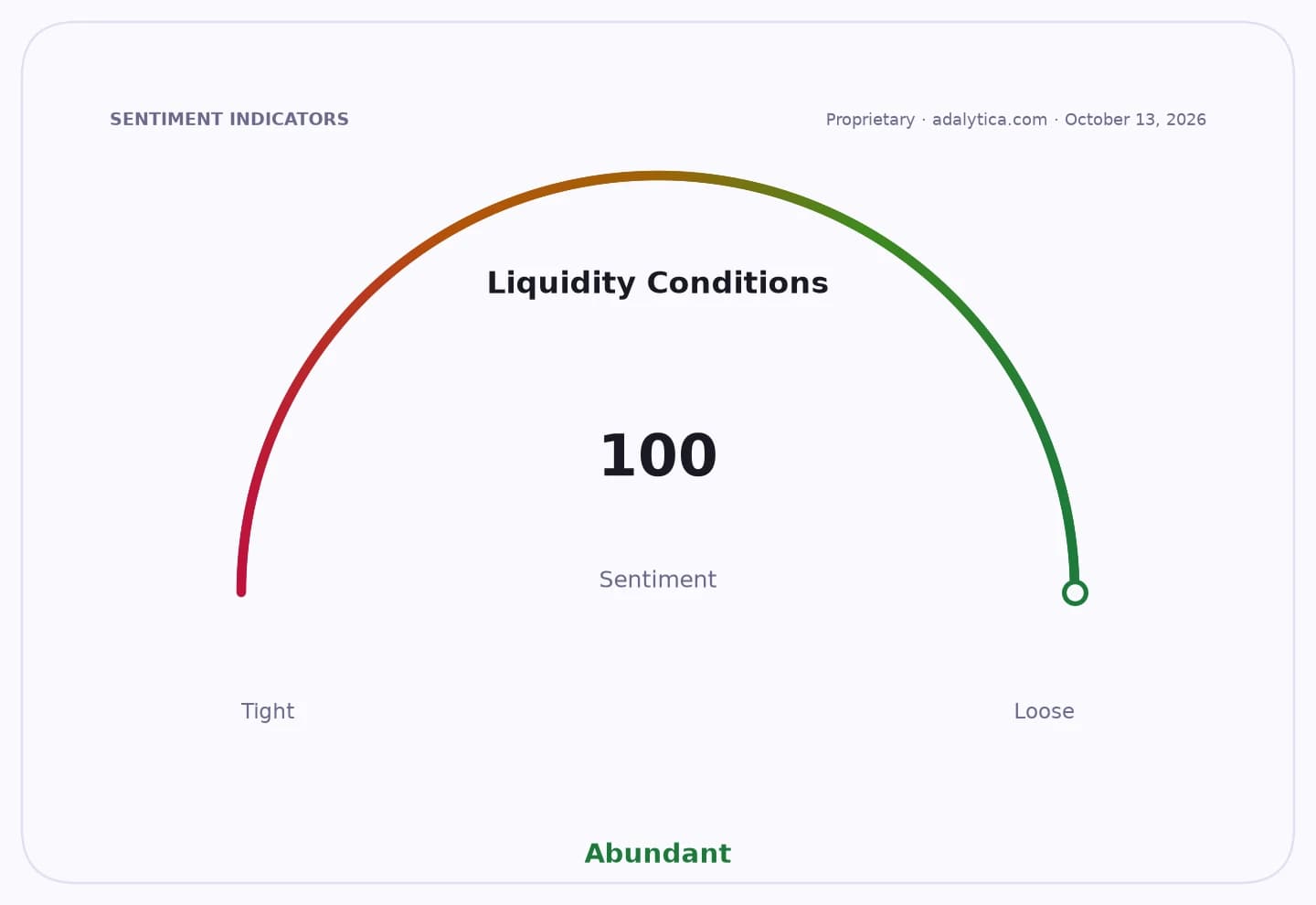
Sentiment IndicatorsⓘProprietary · adalytica.com · October 13, 2026
This is a snapshot — live sentiment, awareness and momentum for 130+ markets update continuously in the dashboard.Open AlphaPulse
The ministry said it is using fiscal policy to support investment, growth and employment without abandoning budget discipline. It now wants to lift foreign direct investment, diversify growth and boost exports of goods and services. It also said the private sector is regaining momentum and accounts for 65% of investment, a sign that officials want capital formation to come increasingly from businesses rather than the state.
For investors, that is the core story. A country that can show primary surpluses, narrower deficits and a credible debt-reduction path is usually a better bet for bondholders and equity investors alike. Egypt said the primary surplus reached 4.9% of GDP and the overall deficit narrowed to 5.8% last year, while tax revenue rose to 13% of GDP after tax facilitation measures. Those are the kinds of fiscal numbers credit analysts watch closely, because they suggest the government is not relying only on growth hopes to stabilize its finances.
The ministry’s target is to cut debt to 78% of GDP by June 2027 and reduce external debt by $1 billion to $2 billion a year. It also said it will channel exceptional revenues directly into debt reduction. That is important economically because lower debt should eventually ease the interest bill, free up room for capital spending and make Egypt less vulnerable to global rate swings and regional shocks.
The growth side of the story is just as important. Finance officials said manufacturing, telecoms and tourism are leading the expansion and expect growth of 5.1% in fiscal 2025-26. If that materializes, it would help Egypt generate the cash flow needed to service debt without choking off domestic demand. S&P’s stable outlook suggests rating agencies see that balance as plausible, at least for now.
Still, the path is not easy. Egypt’s own ministry acknowledged that debt service and financing needs remain a challenge, and that lower interest rates would help materially. Globally, governments are under similar pressure to prove they can manage debt more carefully, and Egypt is no exception. The market message is straightforward: a stable rating is helpful, but the upside for Egyptian assets depends on whether reforms keep translating into stronger exports, steadier investment and a durable decline in leverage.
For long-term investors, the takeaway is to watch whether Egypt can turn fiscal restraint into faster private-sector growth. If it can, the country’s credit story may improve gradually rather than dramatically — which is often exactly how durable recoveries begin.
| Entity | Gains | Losses |
|---|---|---|
| Egypt government | ▲Lower borrowing risk | ▼Easier fiscal flexibility |
| Bondholders | ▲Improved credit visibility | ▼Higher-yield windfall fades |
| Private sector | ▲Larger role in investment | ▼State-led crowding-out eases |
| Taxpayers | ▲Lower debt burden over time | ▼Less room for fiscal slippage |