Telecom Egypt, Talaat Mostafa Group and Commercial International Bank have cleared the bar for FTSE Russell’s emerging-market and mid-cap index baskets, a development that should deepen foreign investor access to some of Egypt’s most important listed companies and reinforce the local exchange’s standing in global capital markets.
Egypt stocks cleared for FTSE index baskets
That matters because index inclusion is not just a badge of honor. For long-term investors, it can translate into more passive inflows, broader analyst coverage and better trading liquidity over time. In markets like Egypt, where foreign participation can swing with global risk appetite, being represented in the benchmark universe can make the difference between a stock that is simply locally important and one that is visible to capital allocators around the world.
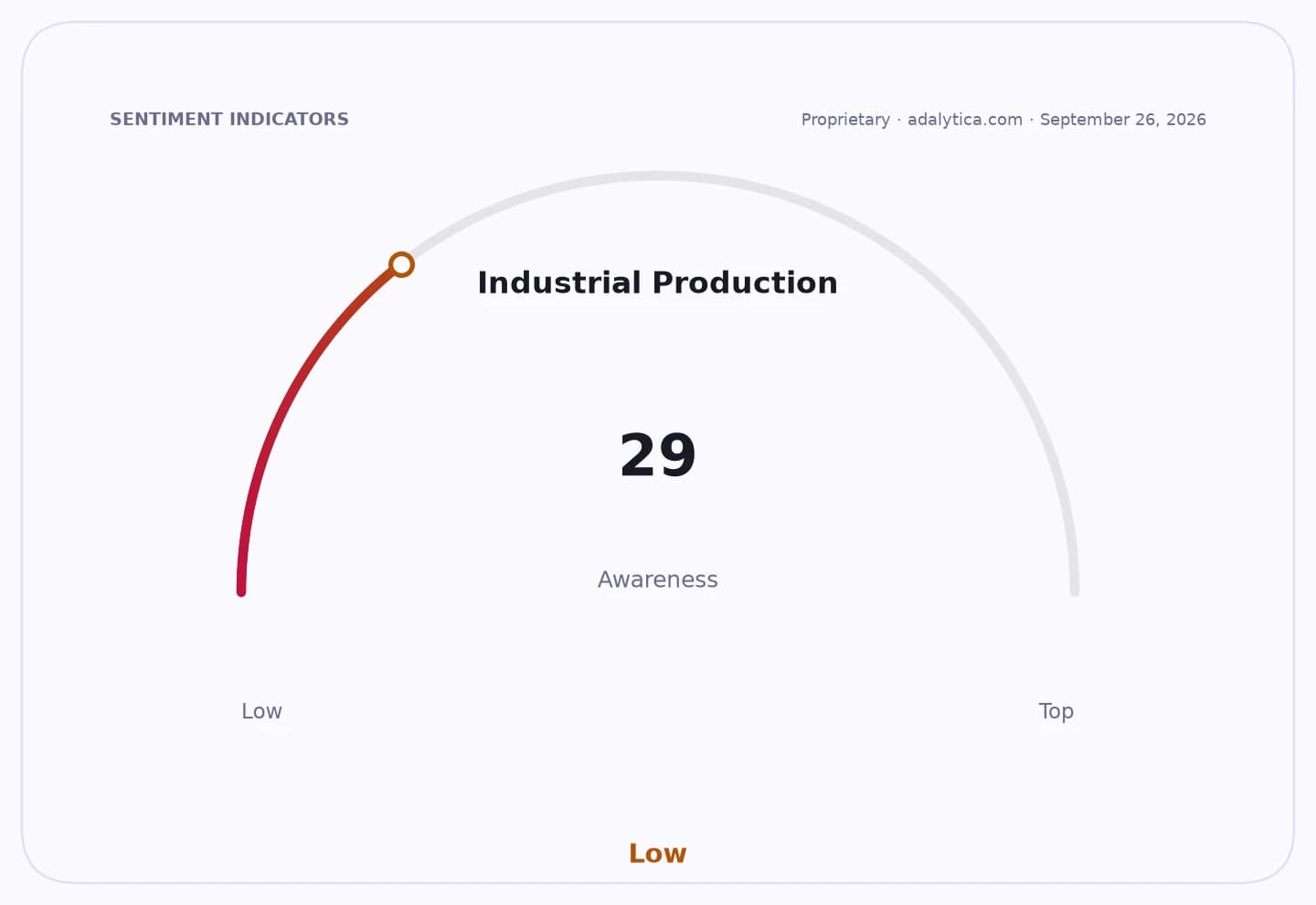
Sentiment IndicatorsⓘProprietary · adalytica.com · October 10, 2026
This is a snapshot — live sentiment, awareness and momentum for 130+ markets update continuously in the dashboard.Open AlphaPulse
Egyptian Exchange chief Omar El-Ridwan called the move an important step in the market’s development, saying the three companies have met the requirements for the mid-cap tier and strengthened Egypt’s presence in emerging-market indices. He also said Egypt’s removal from FTSE Russell’s watchlist was another sign of confidence in the resilience of the market.
For investors, the practical effect is straightforward: when a company moves into a more widely tracked index bucket, it becomes harder for global money managers to ignore. That can support demand for the shares over time, especially when the underlying businesses already have durable earnings power. Telecom Egypt, for example, has benefited from a higher market value, with the company’s capitalization rising to about $4.8 billion from roughly $3.9 billion in August as its stock climbed. The exchange said the upgrade reflected stronger liquidity, cash generation and financial performance.
The bigger story is not just about three stocks. It is about Egypt proving it can produce listed companies that meet international standards and stay there. That is exactly the kind of market infrastructure investors want to see if they are thinking in years, not weeks. A broader base of companies qualifying for global benchmarks can gradually lower the country’s cost of capital and make it easier for other Egyptian firms to attract overseas funding.
There is still a real-world caveat: index upgrades do not eliminate country risk. Egypt remains exposed to global rate moves, currency pressures and shifts in emerging-market sentiment. But for patient investors, the direction of travel is encouraging. If more large, liquid Egyptian names keep graduating into global benchmarks, the market’s investability improves, and that is how long-term compounding gets a little easier to achieve.
| Entity | Gains | Losses |
|---|---|---|
| Telecom Egypt | ▲index demand, liquidity | ▼benchmark exclusion |
| Talaat Mostafa Group | ▲foreign visibility, passive flows | ▼limited EM weighting |
| Commercial International Bank | ▲analyst coverage, investability | ▼watchlist risk |
| Egypt’s exchange | ▲credibility, market depth | ▼skepticism over market access |