Egypt’s central bank is set to test appetite for domestic debt next Sunday and Monday with 30 billion pounds of treasury-bill offerings, a move that matters because it will show whether local investors are willing to keep financing the state at current interest-rate levels after policymakers left borrowing costs unchanged last month.
Egypt central bank to sell 30 billion pounds in bills
The auction comes as the Central Bank of Egypt holds its overnight deposit rate at 19%, its lending rate at 20% and its main policy rate at 19.5%, preserving a high-yield backdrop for short-term government paper. That leaves the treasury-bill sale as a key funding channel for the finance ministry, which has delegated the central bank to manage local-currency issuance across the fiscal year and use the proceeds to help cover budget spending.
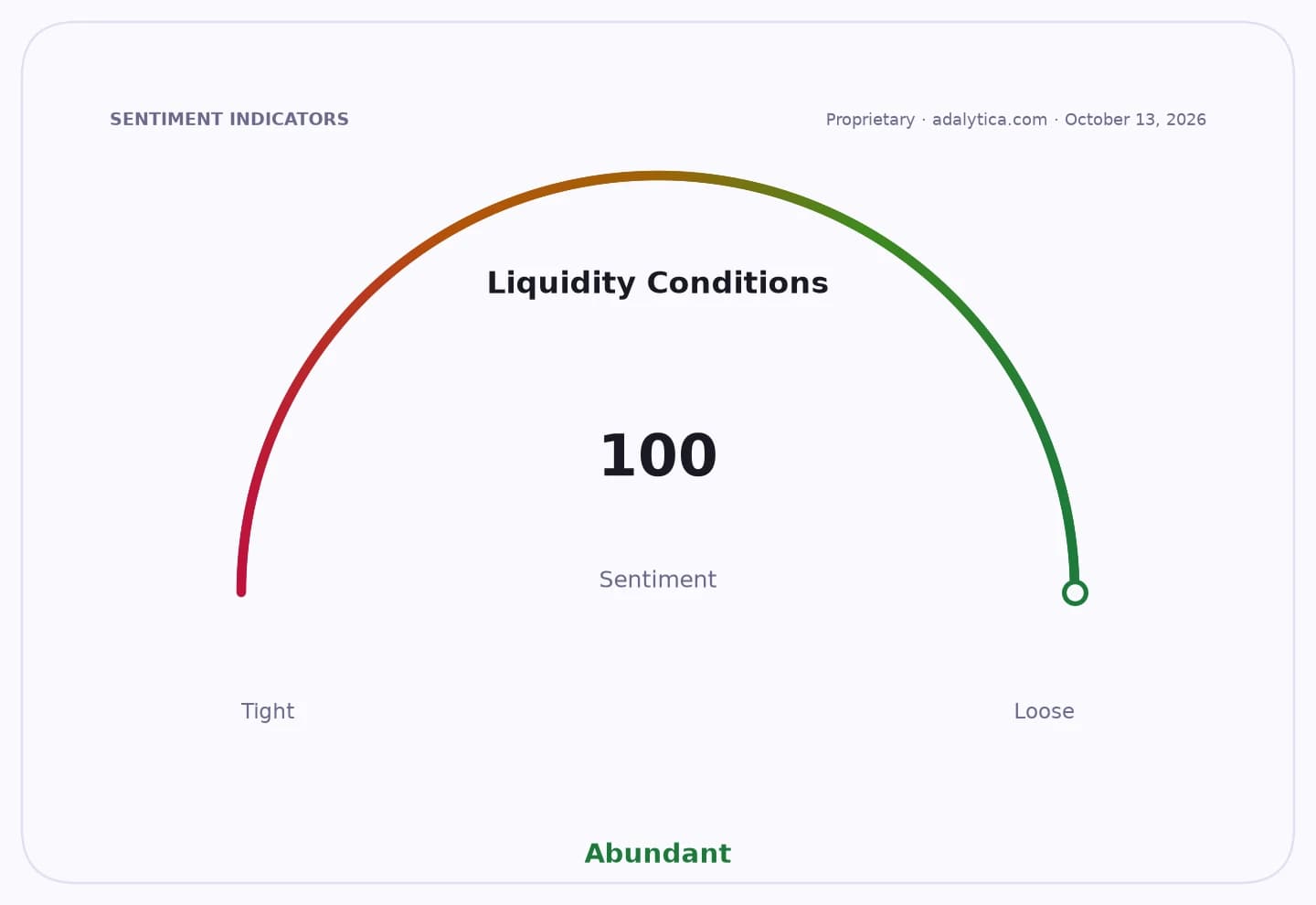
Sentiment IndicatorsⓘProprietary · adalytica.com · October 13, 2026
This is a snapshot — live sentiment, awareness and momentum for 130+ markets update continuously in the dashboard.Open AlphaPulse
The planned sale includes 5 billion pounds of fixed-rate treasury bills due in two years and 20 billion pounds due in three years, along with 1 billion pounds of floating-rate bills maturing in five years. The mix suggests the government is leaning on shorter-duration fixed instruments for the bulk of its funding while keeping a small portion indexed to reduce refinancing risk if rates move again.
For investors, the auction is less about the size alone than the pricing. With policy rates already elevated and global yields still volatile, demand at the sale will indicate whether banks and other domestic buyers remain comfortable absorbing sovereign supply at a time when governments across emerging markets are trying to lock in funding before borrowing costs shift again. Strong subscription would reinforce confidence in Egypt’s local debt market; weak demand would raise pressure on future auctions or borrowing costs.
The offer also lands against a broader backdrop of tight liquidity management. Government securities remain a central tool for financing the budget, and successful auctions help ease near-term funding needs without forcing the state into more expensive external borrowing. For the market, that is particularly relevant because domestic debt demand can act as a stabilizer when foreign capital remains selective and global rates stay elevated.
What happens next will be watched through the auction coverage ratio and accepted yields. If bids come in strongly, the central bank and finance ministry can keep extending the maturity profile of local borrowing with less immediate strain. If not, it would underline how expensive it has become for sovereign borrowers to sustain funding at current interest-rate levels.
| Entity | Gains | Losses |
|---|---|---|
| Egyptian government | ▲Near-term funding access | ▼Higher debt-service costs |
| Local banks | ▲High-yield treasury assets | ▼Balance-sheet liquidity |
| Treasury bill investors | ▲Attractive nominal returns | ▼Interest-rate risk |
| Borrowers in Egypt | ▲Potential stability if auctions clear | ▼Crowded out by sovereign demand |