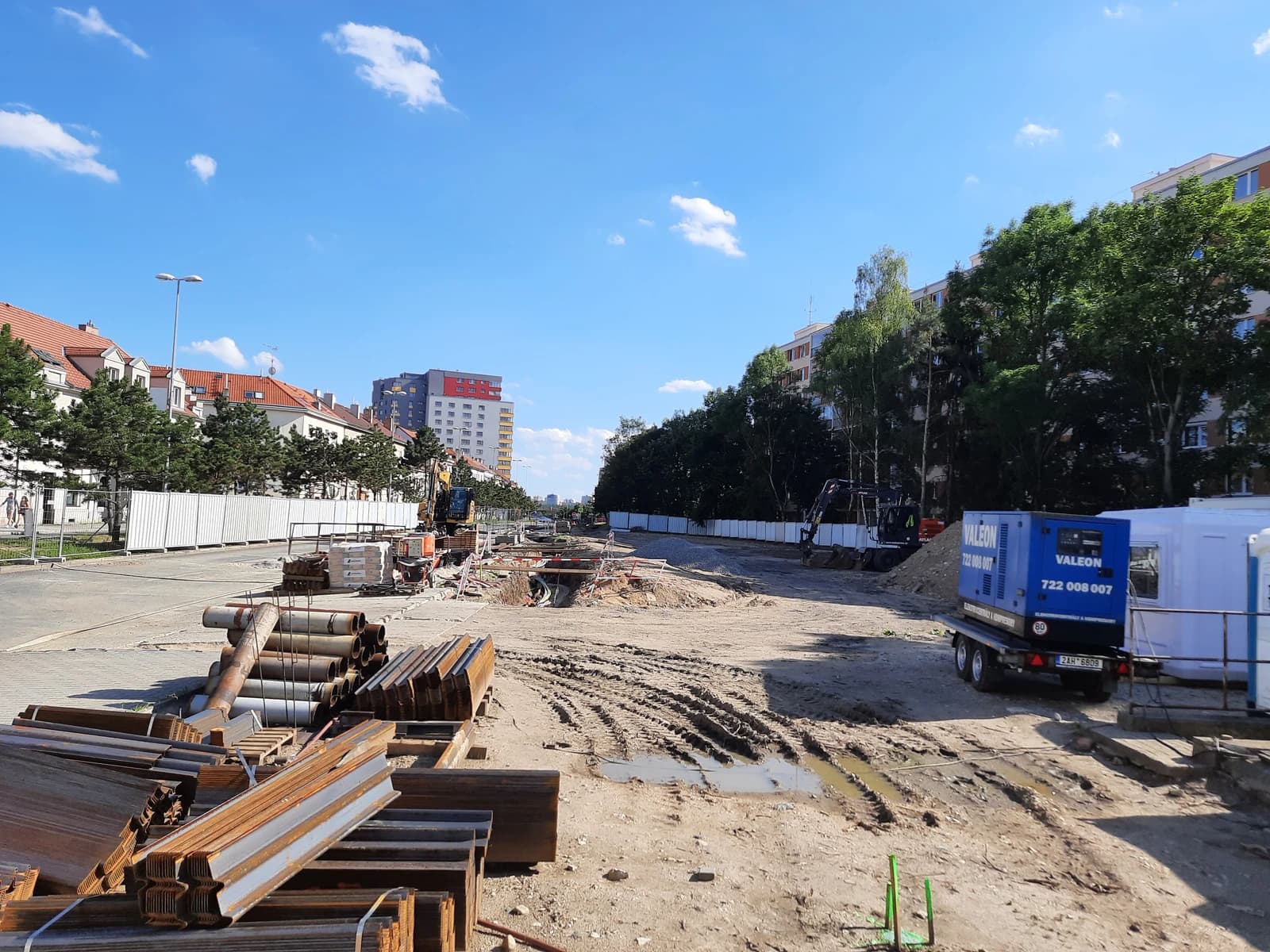
Wienerberger cut its full-year operating EBITDA guidance after weak residential construction in the UK and North America and a fresh burst of inflation in energy, raw materials and logistics squeezed margins in the third quarter.
Wienerberger cuts EBITDA outlook on weak housing demand
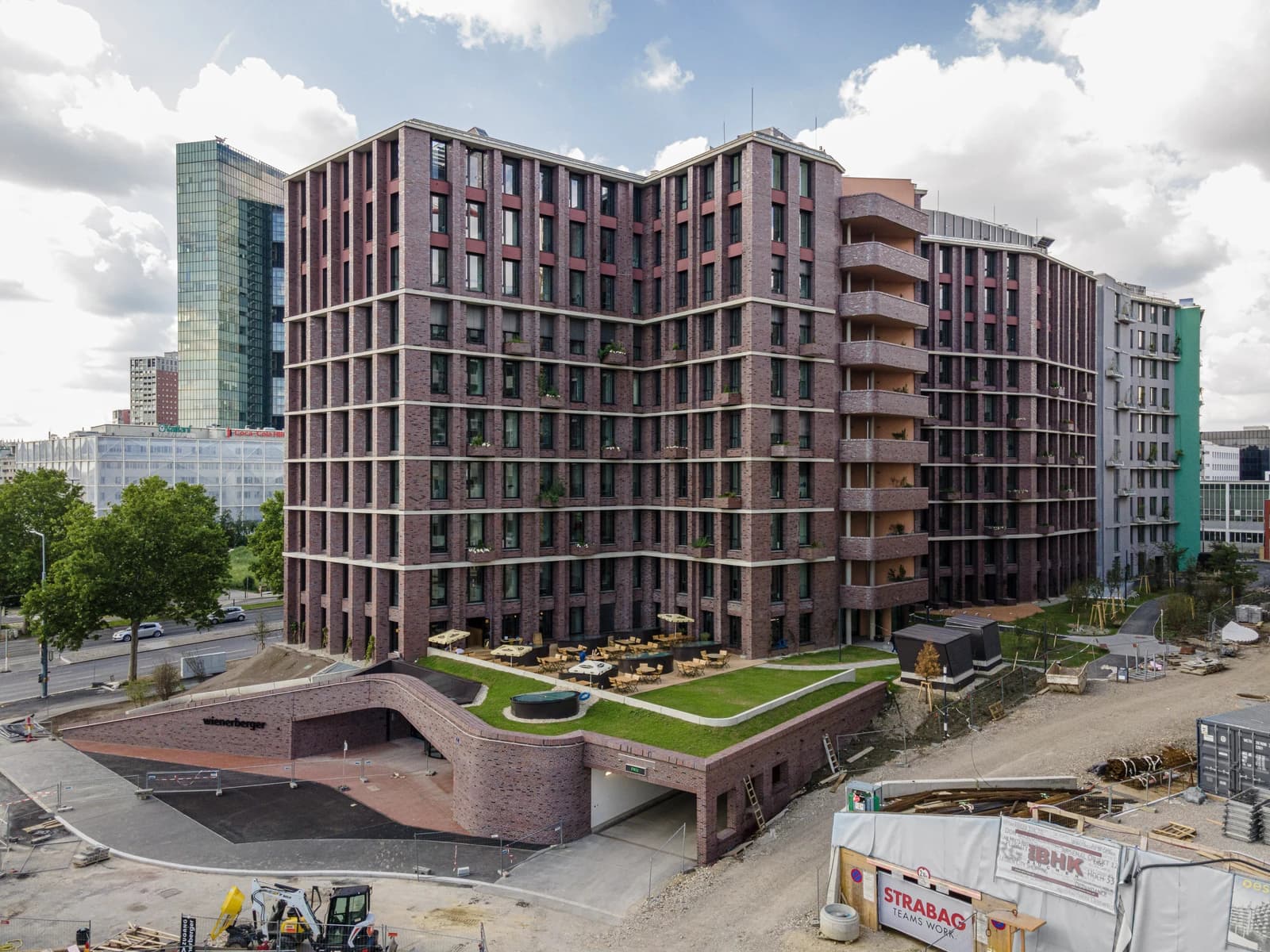
The Austrian building materials group now expects 2026 operating EBITDA of €640 million to €650 million, down from prior expectations, after saying third-quarter revenue should land around €1.2 billion to €1.3 billion and operating EBITDA at roughly €170 million to €180 million. The update underscores how a sluggish housing cycle and persistent input-cost pressure are still outweighing more stable renovation and infrastructure demand.
Sentiment IndicatorsⓘProprietary · adalytica.com · October 6, 2026
This is a snapshot — live sentiment, awareness and momentum for 130+ markets update continuously in the dashboard.Open AlphaPulse
For investors, the problem is not just that volumes remain soft. It is that the sector’s long-promised normalisation has been pushed out again, leaving producers with underused plants just as costs re-accelerate. Wienerberger said demand remained especially weak in residential new-build markets in the UK, the US and Canada, while September’s expected seasonal lift after the summer was weaker than anticipated.
That combination is economically important because building materials sit at the front end of the housing and infrastructure cycle. When new-build starts lag, manufacturers face a double hit: fewer units to absorb fixed costs and weaker pricing power just as fuel, freight and raw materials rise. Wienerberger said it responded with additional sales initiatives, price increases and accelerated cost-efficiency measures, but those efforts did not fully offset the inflation spike by the end of August.
The update also matters because it offers a read-through for the wider construction supply chain. Public infrastructure and renovation remain comparatively firmer, but the company’s comments suggest those segments are not yet strong enough to compensate for residential weakness. That is consistent with a market where high financing costs and affordability constraints continue to restrain housing activity even as some governments support infrastructure spending.
Wienerberger’s interim chief executive, Gerhard Hanke, said the company had begun a “cold-eye review” of performance and launched a strategic review across the business alongside faster cost-cutting. The review will be updated with the company’s nine-month results on Nov. 12, when investors will look for signs of asset rationalisation, margin recovery and whether the company can reduce leverage more quickly.
The bear case is that demand in core housing markets stays subdued into 2027, leaving Wienerberger to fight for volume in a sector with limited pricing power. The bull case is that renovation, infrastructure and eventual housing recovery can support a margin rebound once the cost actions take hold. For now, the update points to a sector still trapped between a delayed construction recovery and stubborn inflation.
| Entity | Gains | Losses |
|---|---|---|
| Wienerberger cost-cutting | ▲Margin discipline | ▼Near-term growth |
| Renovation and infrastructure demand | ▲Relative resilience | ▼New-build suppliers |
| Housing buyers in weak markets | ▲Lower material pressure | ▼Construction suppliers |
| Competitors with stronger pricing | ▲Share gains | ▼Producers facing excess capacity |