PKP is selling off apartments in Wrocław at prices well below the city’s market average, tapping demand for discounted housing while highlighting how poor technical condition can outweigh location in Poland’s tight housing market.
PKP Sells Wrocław Apartments Below Market Prices
The state railway group’s listings stand out because Wrocław’s average apartment price is close to 15,000 zlotys per square metre, while even used homes on the secondary market rarely fall below 11,000 zlotys. PKP’s flats are cheaper mainly because most require a full renovation, but they are often in central or otherwise attractive locations, making them appealing to buyers willing to trade lower entry prices for higher refurbishment costs.
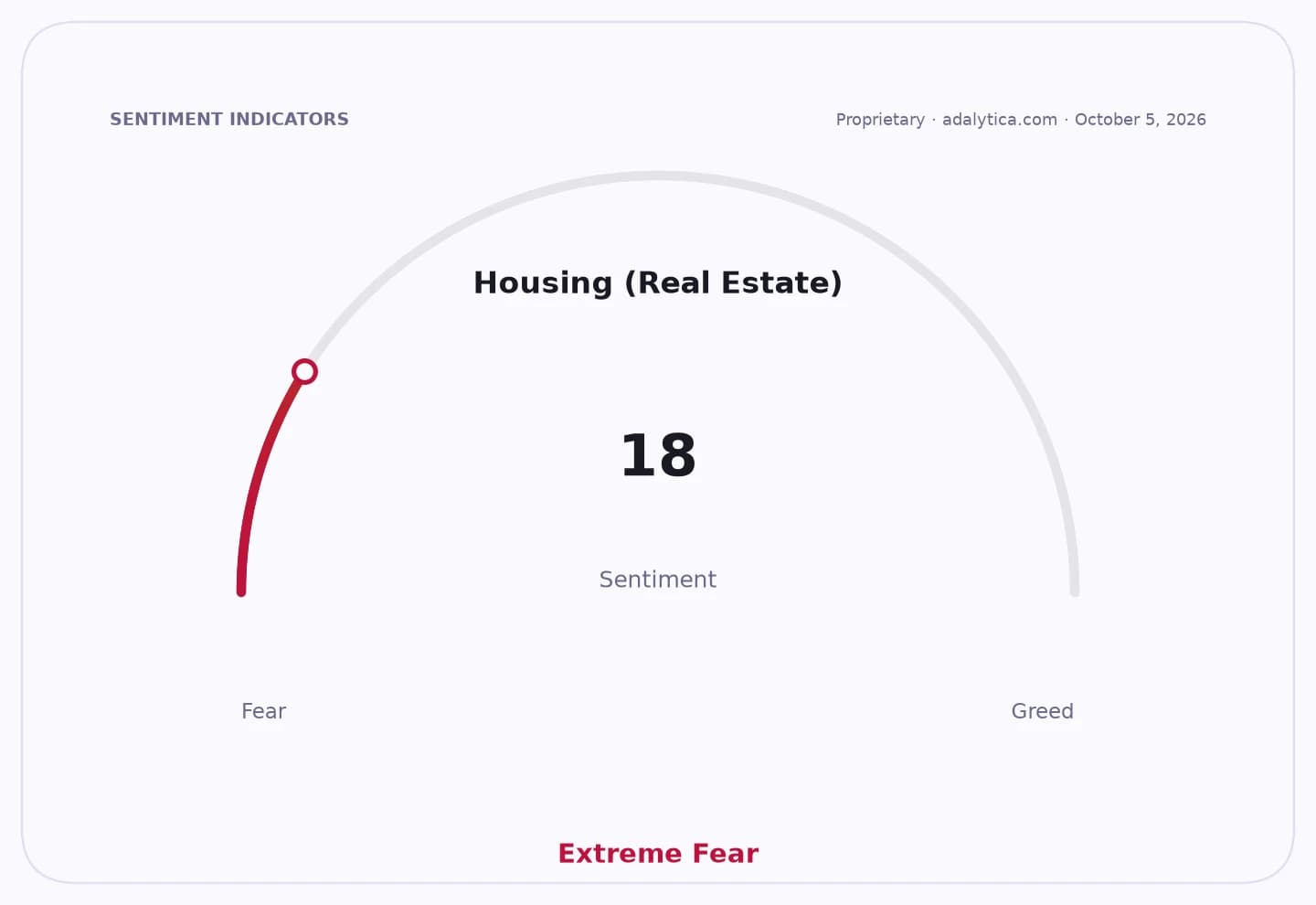
Sentiment IndicatorsⓘProprietary · adalytica.com · October 6, 2026
This is a snapshot — live sentiment, awareness and momentum for 130+ markets update continuously in the dashboard.Open AlphaPulse
That matters economically because Poland’s housing market remains expensive relative to local incomes, and distressed or renovation-heavy stock can be one of the few ways to access urban property without paying prevailing market rates. For sellers such as PKP, the disposals also help monetise legacy assets left over from worker-housing structures, converting underused property into cash rather than carrying maintenance and ownership costs.
For investors and market participants, the story is less about a broad price correction than about segmentation. The gap between renovated and unrenovated flats is widening into a separate market, where location, capex needs and financing costs matter as much as headline price per square metre. That favours buyers with cash or access to cheap credit and contractor capacity, while discouraging first-time purchasers seeking move-in-ready homes.
The backdrop is a housing market that remains structurally tight even as sentiment has weakened. Adalytica’s Housing Fear & Greed Index shows fear at 18 and awareness at an extreme-fear reading of 4, suggesting buyers are cautious even as demand for affordable urban stock persists. That environment can keep turnover selective: bargains still attract interest, but only when the renovation bill is manageable.
For listed real estate services firms such as CBRE and JLL, the broader implication is that transaction activity in Central and Eastern European housing is likely to stay concentrated in niche pockets rather than in a broad, liquid market. Until affordability improves materially, properties that can be bought below replacement or market value — even if they need heavy work — will remain the main outlet for price-sensitive demand.
The key question now is whether more public or legacy owners follow PKP’s lead and release similar assets. If they do, buyers may gain access to rare discount opportunities in prime areas, but the market’s underlying affordability problem will remain intact.
| Entity | Gains | Losses |
|---|---|---|
| PKP | ▲Cash from asset sales | ▼Ongoing upkeep costs |
| Renovation-capable buyers | ▲Lower entry prices | ▼Repair expenses |
| Move-in-ready buyers | ▲— | ▼Fewer affordable options |
| Local housing market | ▲More supply in niche segment | ▼Persistent affordability pressure |