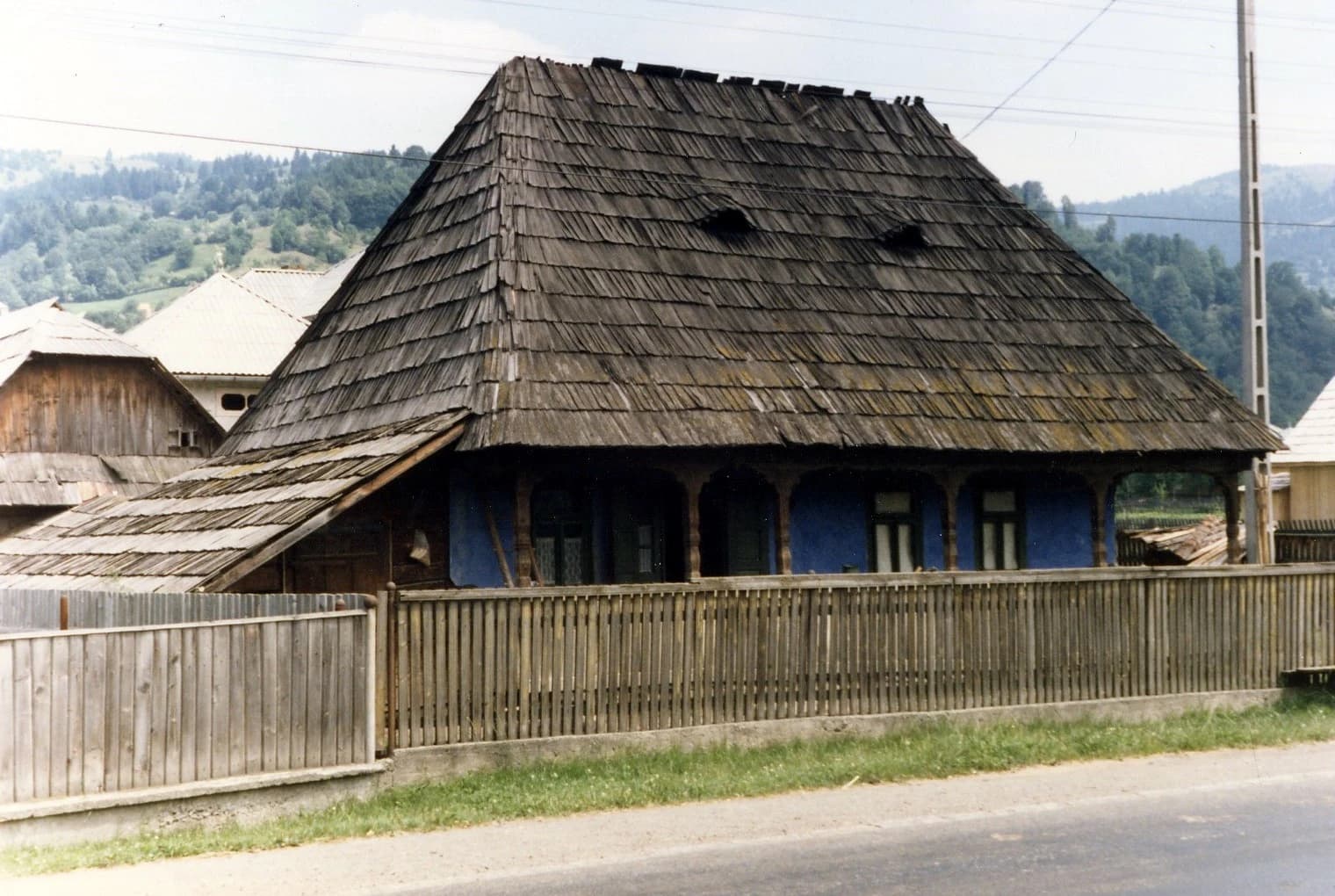
A €52,000 negotiable house for sale in Păulian, about 16 kilometers from Satu Mare, underscores just how tight Romania’s affordability picture remains even away from the country’s big cities.
Romania housing affordability stays tight in Păulian
For investors and homebuyers, that matters because housing is not just a consumer story — it is a measure of household balance-sheet stress, local liquidity and long-term demand for property, construction and home improvement. When a basic duplex on a main road with electricity, water and gas at the street is still being marketed as a notable value proposition, it says the market is still anchored by scarcity rather than abundance.
The listing points to the kind of property Romanian buyers are increasingly forced to consider: a brick duplex on 1,900 square meters of land, with utilities in place and room to negotiate, but still priced at a level that reflects persistent pressure on supply. That pressure has helped push Romania to the top of the European Union’s overcrowding rankings for young people, with more than 60% living in cramped conditions, while housing and rental prices have climbed among the fastest in the bloc.
That combination is economically important because it shapes everything from consumer spending to labor mobility. Households paying more to secure shelter have less room for discretionary purchases, while younger workers may delay moving, forming households or taking jobs far from home. Over time, that can slow regional development and keep demand skewed toward lower-cost homes, older stock and properties with renovation potential.
For the broader housing market, listings like this suggest the affordability gap is not being solved by price alone. Even in smaller towns and near regional centers, buyers are still weighing whether to stretch for a home, renovate an existing one or wait. That keeps the market exposed to interest-rate sensitivity and wage growth, while supporting demand for affordable homes, local builders and materials suppliers.
The long-term takeaway for investors is that Romania’s housing story remains one of scarcity and adaptation. If affordability stays stretched, the winners are likely to be owners of well-located, utility-connected properties and businesses tied to renovation and construction. The losers are first-time buyers, renters and households already squeezed by rising living costs.
| Entity | Gains | Losses |
|---|---|---|
| Păulian homeowners | ▲Better pricing power | ▼Affordability pressure |
| First-time buyers | ▲More options in lower-cost areas | ▼Higher entry barriers |
| Builders and renovators | ▲Demand for upgrades | ▼New-home affordability gap |
| Renters and young households | ▲— | ▼Overcrowding, weaker mobility |