Egypt’s housing ministry has finished three phases of the “Housing for All Egyptians” program in Badr City, delivering 55,488 low-income units and putting 8,451 social housing plots on offer, a move that reinforces the government’s push to ease an affordability crunch in one of the region’s fastest-growing urban markets.
Egypt Housing Ministry Completes 55,488 Badr Units
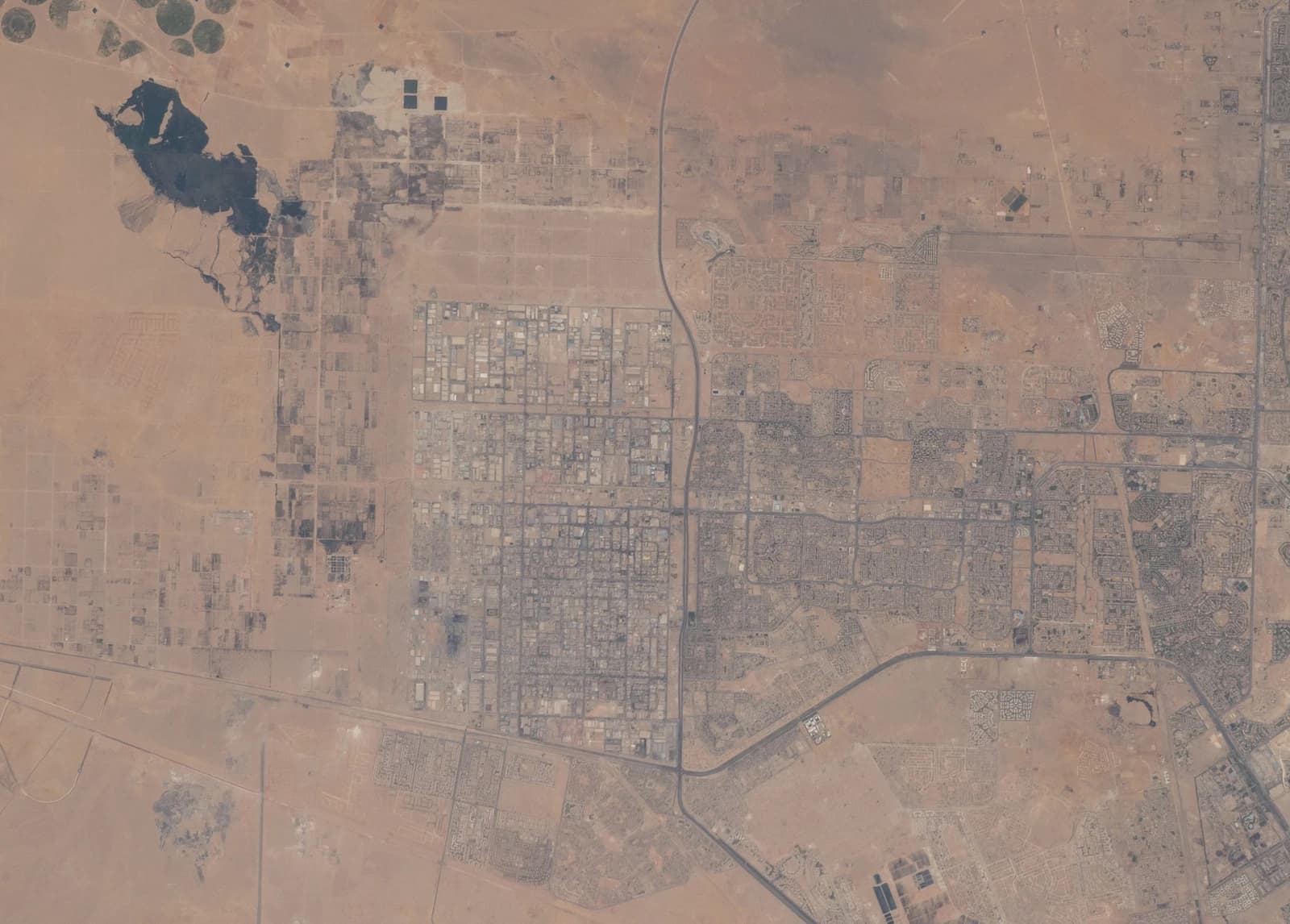
The development matters economically because housing is both a social safety valve and a major driver of construction activity, infrastructure spending and land development. By expanding supply in a new city east of Cairo, the state is trying to channel demand away from overcrowded urban centers while supporting contractors, materials suppliers and utilities tied to large-scale residential buildout.
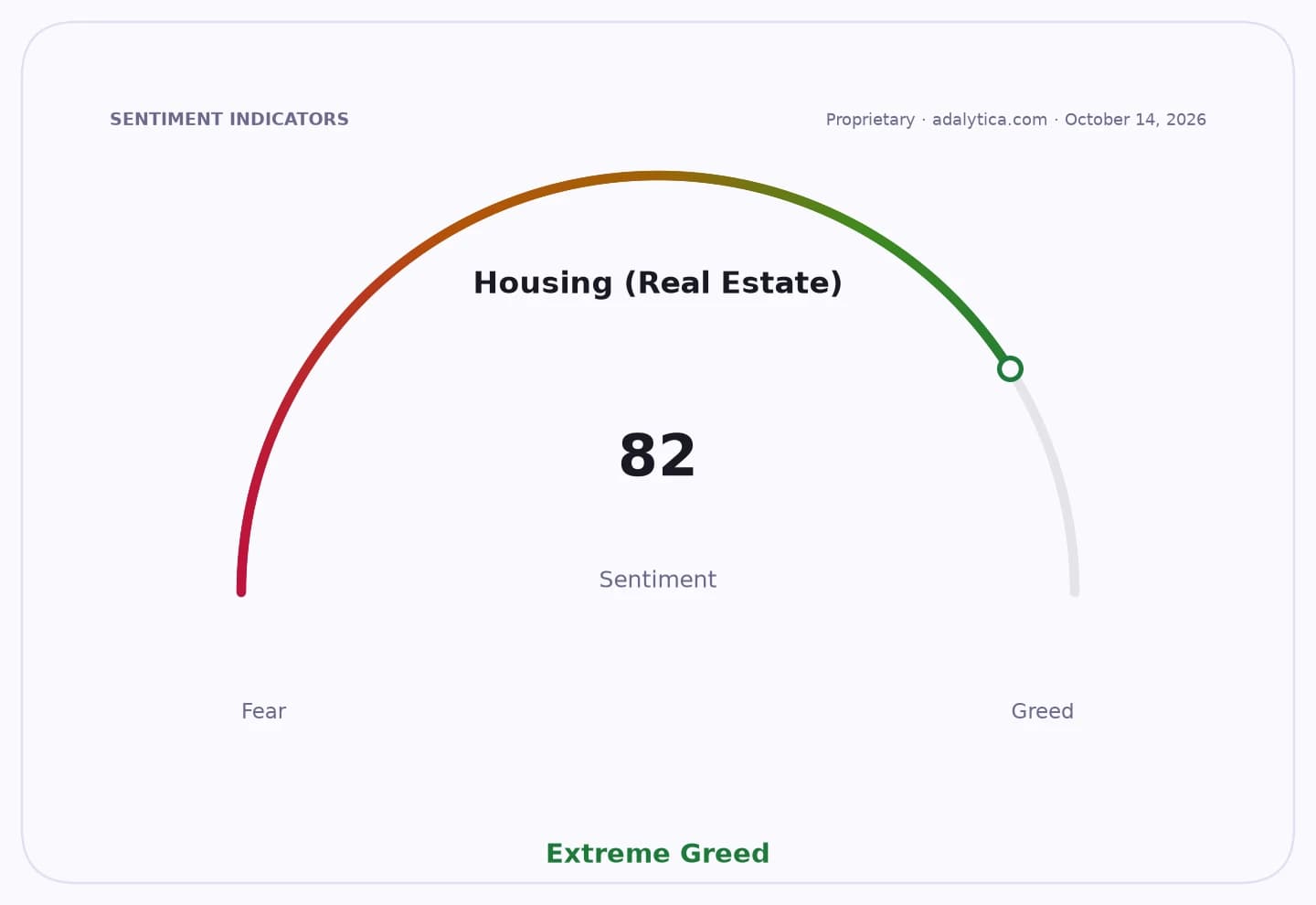
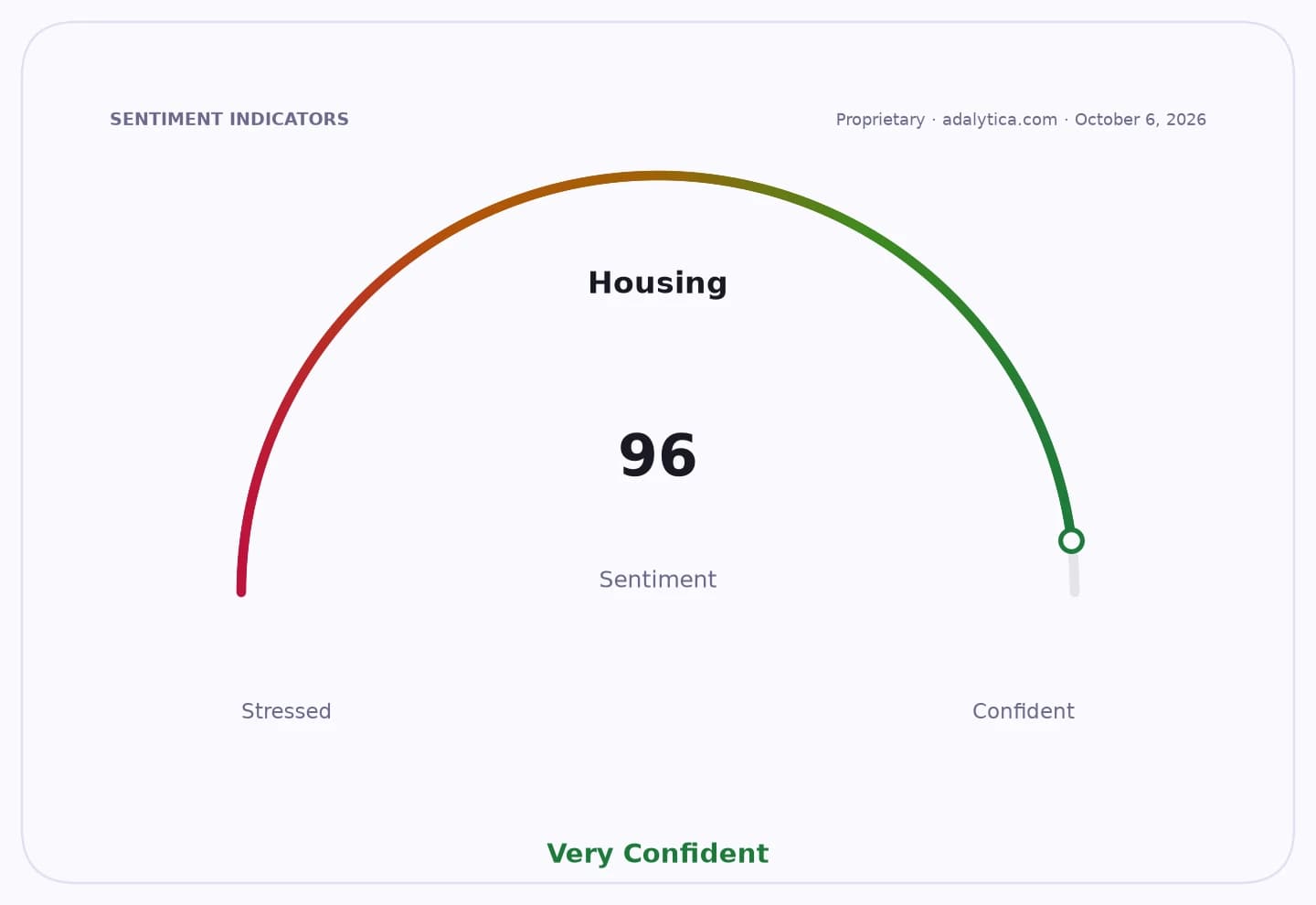
Sentiment IndicatorsⓘProprietary · adalytica.com · October 14, 2026
This is a snapshot — live sentiment, awareness and momentum for 130+ markets update continuously in the dashboard.Open AlphaPulse
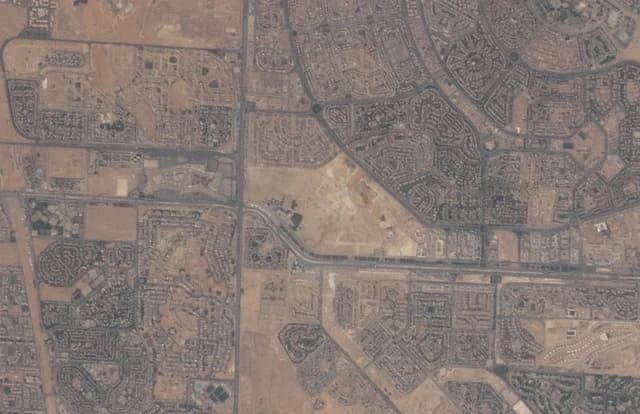
The ministry said the homes were completed under the presidential “Housing for All Egyptians” initiative, which began in 2014 to provide suitable units for lower-income buyers. The 8,451 land plots widen access to serviced land, which can also stimulate private self-build demand and improve absorption in Badr, one of the new urban communities designed to take pressure off Greater Cairo.
For investors, the scale of the program underscores the state’s commitment to the affordable-housing pipeline and to land monetization in Egypt’s new cities. That can support listed builders, developers and suppliers linked to government-backed residential schemes, even as pricing, financing and execution risks remain central to the sector’s outlook.
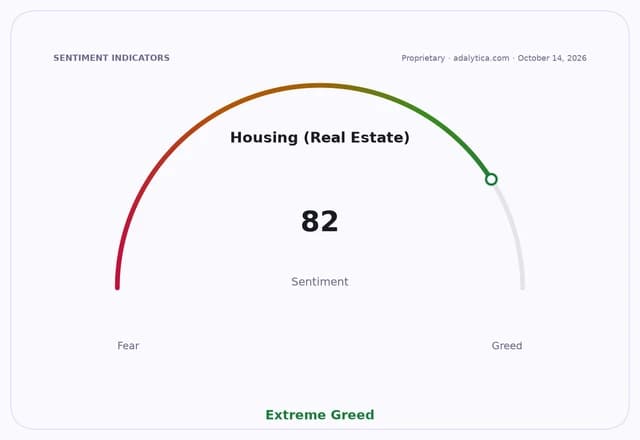
The backdrop is a housing market still shaped by affordability concerns and a broader policy drive to regulate real estate, expand supply and protect buyers. Adalytica’s Housing Fear & Greed Index for XHB showed sentiment at 82, in “Greed,” while awareness remained at 4, reflecting elevated attention around housing-related policy and demand.
With more phases of urban development still in the pipeline, the next focus for the market will be how quickly the ministry converts new plots into occupied units and whether the push translates into faster delivery, better affordability and steadier demand for Egypt’s housing sector.
| Entity | Gains | Losses |
|---|---|---|
| Low-income homebuyers | ▲More unit supply | ▼Longer wait times ease |
| Egypt housing ministry | ▲Policy credibility | ▼Pressure to keep delivering |
| Contractors and materials suppliers | ▲More project volume | ▼Margin pressure from scale |
| Existing urban areas | ▲Less demand pressure | ▼Potentially slower price growth |