Hatay’s rental market is tightening again as newly delivered earthquake homes, emptying container camps and the annual public-sector transfer cycle push prices back toward 20,000 lira a month in reserve areas.
Hatay rents rise as quake housing fills
That matters because the province is still rebuilding from the 2023 quake, and the latest move in rents shows how fragile affordability remains even as permanent housing replaces emergency shelters. For investors and policymakers, it is a reminder that housing inflation does not disappear when construction arrives; it often just shifts into a new price band when supply is uneven and demand is still distorted.
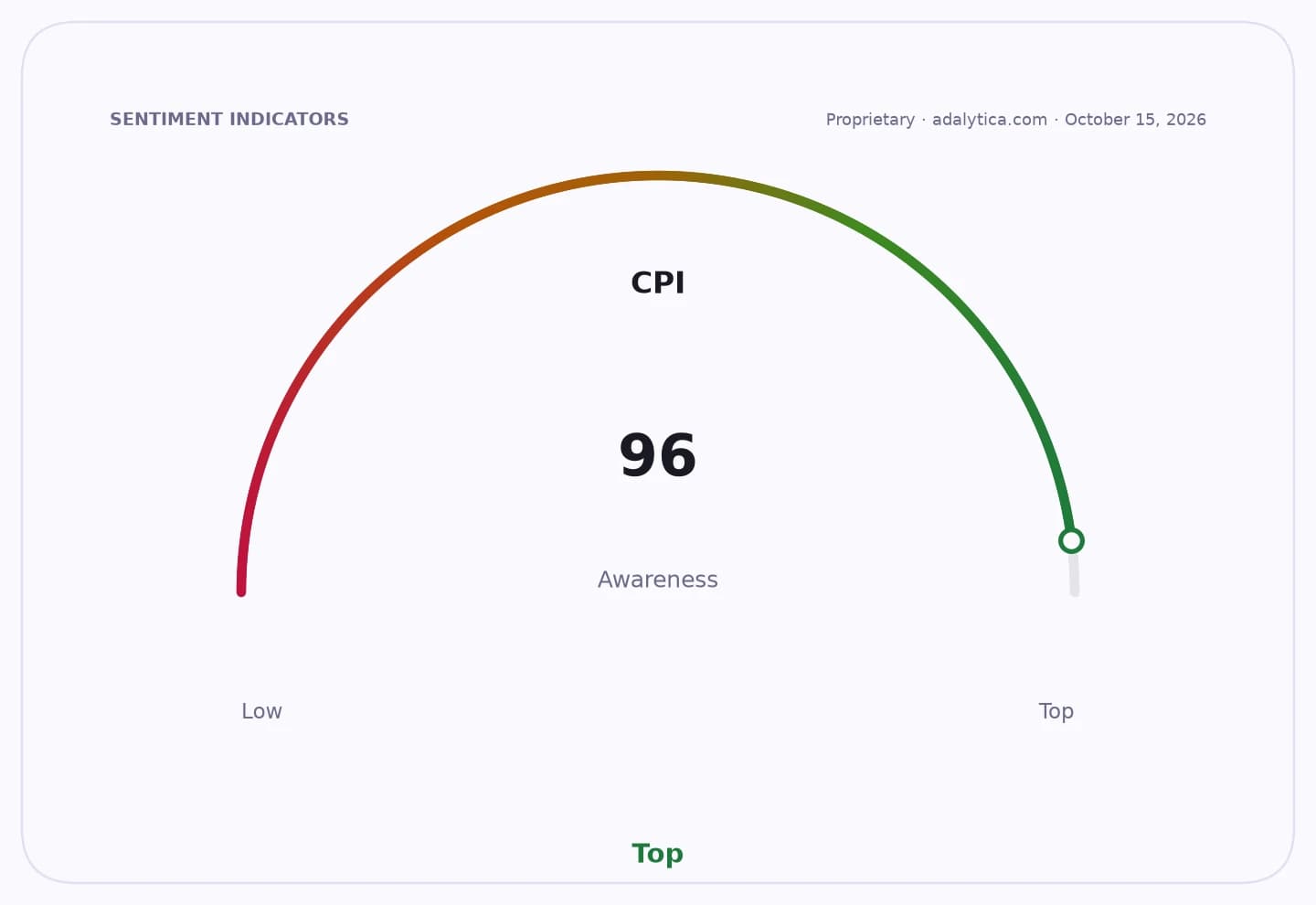
Sentiment IndicatorsⓘProprietary · adalytica.com · October 15, 2026
This is a snapshot — live sentiment, awareness and momentum for 130+ markets update continuously in the dashboard.Open AlphaPulse
According to local realtor Jülide Özkan, rents in TOKI housing that were running around 7,000 to 13,000 lira earlier this year have climbed to 10,000 to 15,000 lira. In reserve-area homes, monthly rents are now generally 15,000 to 20,000 lira. She said the increase is being driven by simultaneous deliveries of new homes, the clearing of container settlements and the relocation cycle for civil servants.
The narrative here is straightforward: new supply is arriving, but not fast enough, and not in a way that restores normal pricing power to tenants. Hatay has seen 98,074 independent units assigned to beneficiaries, yet many residents still face a market dominated by newer apartments, higher asking rents and limited cash flow. Özkan said landlords are increasingly describing units as “brand new” and using that to justify higher rents, even though household payment capacity is thin.
That creates a clear economic divide. Homeowners and landlords with newly delivered stock are gaining pricing power. Tenants are the ones absorbing the cost, especially in a city where migration remains underway and many families are still trying to stabilize after the disaster. The fact that the average age of city-center buildings is now about six years also underscores how quickly the market has shifted away from older, cheaper stock toward newer, more expensive housing.
There is also a second-order risk that matters to capital allocators: asset prices and contracts can run ahead of legal certainty. Özkan warned that some homeowners are trying to sell units by contract before title deeds are issued, with prices reaching 1.5 million to 2 million lira. That is a red flag for buyers, because the lack of formal title creates legal and execution risk just as the housing market becomes more active.
For investors, the broader lesson is that post-disaster reconstruction can create localized rental inflation even while improving physical housing supply. In sectors tied to housing, construction materials, social infrastructure and mortgage finance, the next phase of the trade is not just about building homes, but about who captures the value once those homes are occupied.
If Hatay’s supply pipeline keeps moving, rents could cool from these levels, but the market is already telling you that stabilization will be uneven. The best opportunity is not chasing headline rent spikes; it is looking for the builders, infrastructure contractors and regulated housing platforms that benefit when reconstruction turns a crisis market into a permanent one.
| Entity | Gains | Losses |
|---|---|---|
| Landlords with new units | ▲Higher asking rents | ▼Tenant backlash |
| Tenants in Hatay | ▲Temporary new supply | ▼Higher monthly costs |
| TOKI and reserve-area housing owners | ▲Stronger pricing power | ▼Affordability pressure |
| Buyers of untitled homes | ▲Possible discount entry | ▼Legal and title risk |