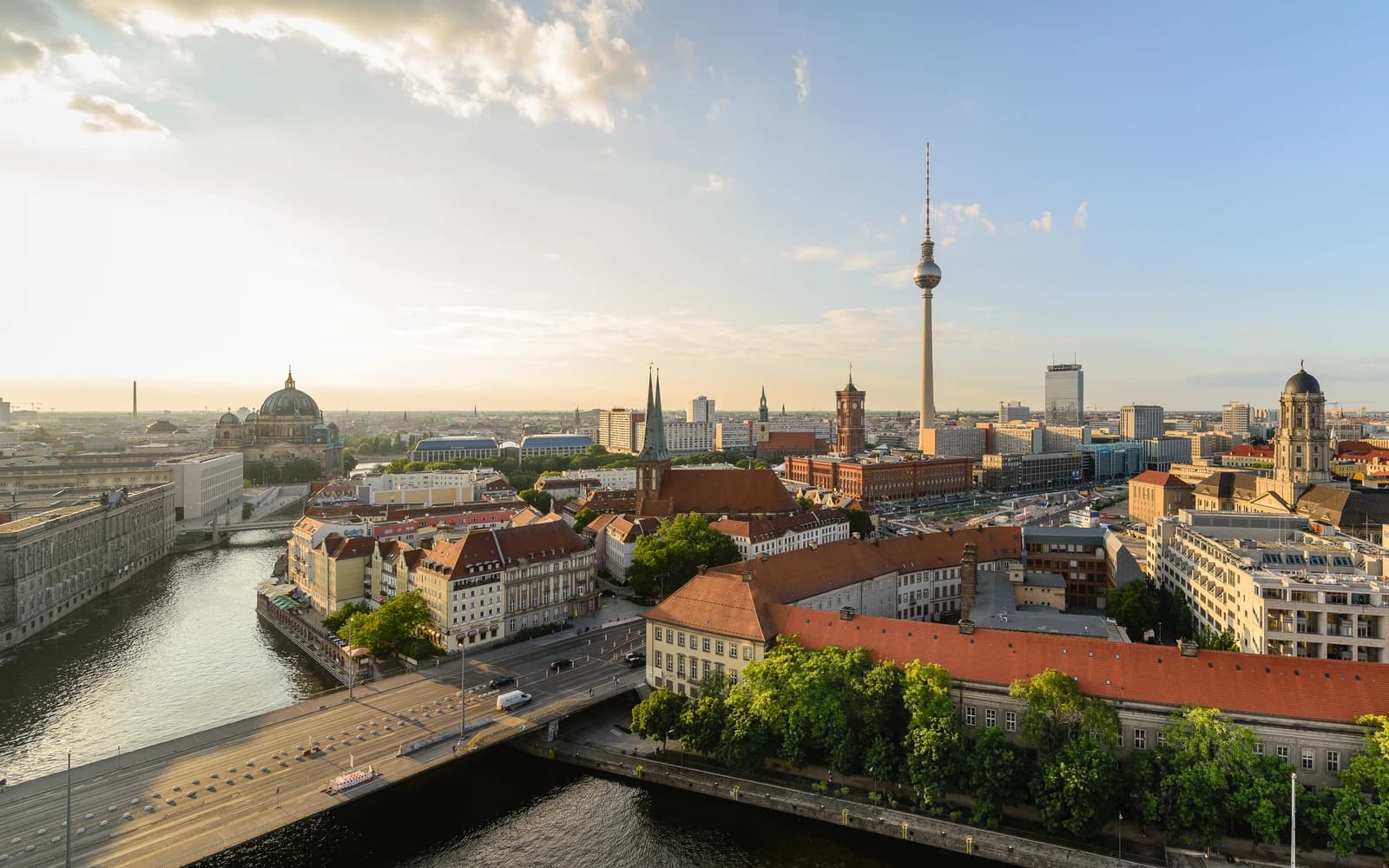
Vietnam’s housing market is running on two truths at once: homes in Hanoi and Ho Chi Minh City are expensive by local income standards, yet urban homeownership remains unusually high, and that combination is shaping the next phase of the country’s real estate story.
Vietnam housing market, ownership, and affordability
That matters because the contradiction is not just a curiosity. It helps explain why prices can keep climbing even in a market with affordability stress, why infrastructure spending can feed land values, and why policymakers now face a harder choice: keep rewarding ownership through fragmented self-built housing, or build a formal rental-and-social housing system that works for younger households and migrant workers.
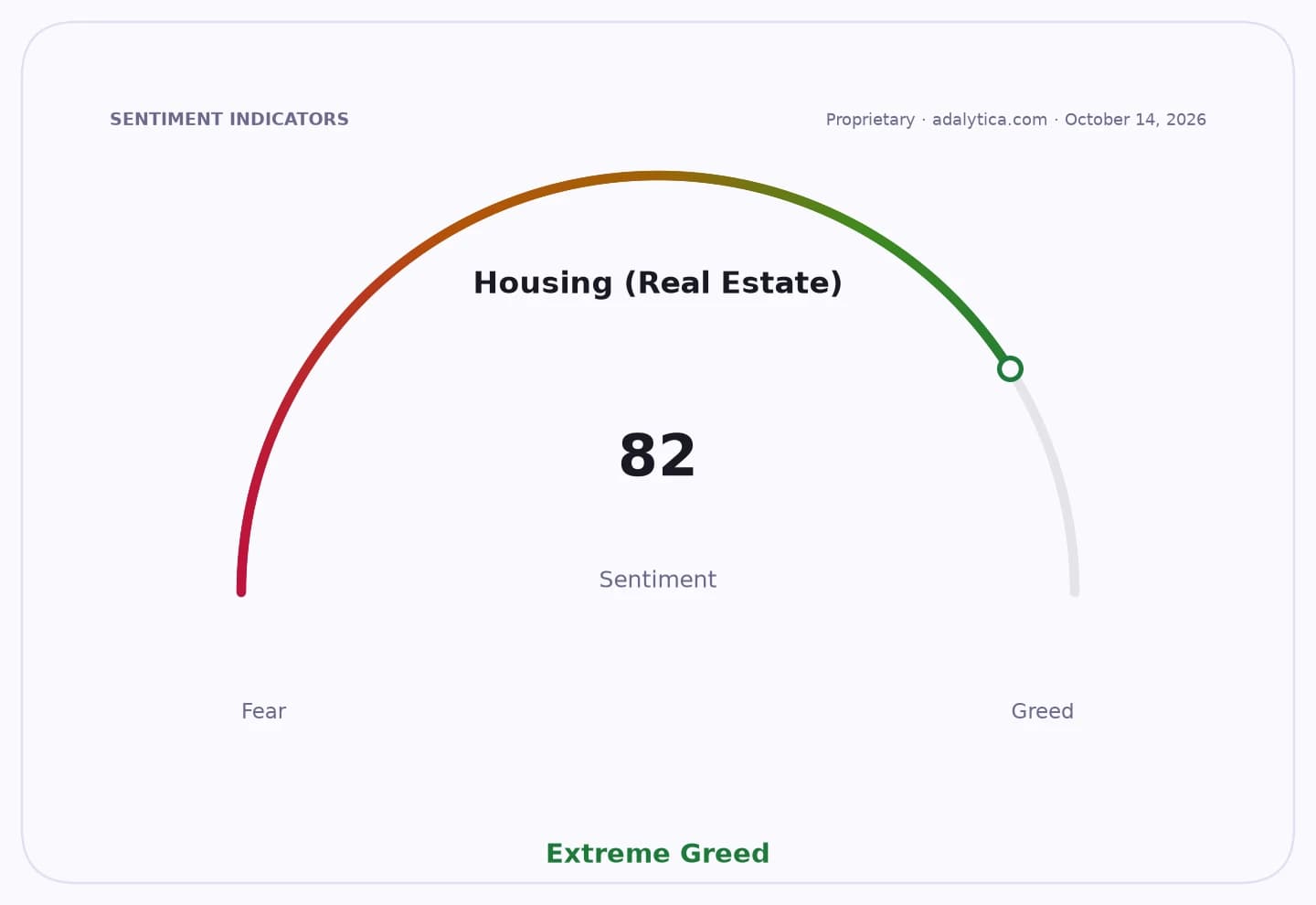
Sentiment IndicatorsⓘProprietary · adalytica.com · October 14, 2026
This is a snapshot — live sentiment, awareness and momentum for 130+ markets update continuously in the dashboard.Open AlphaPulse
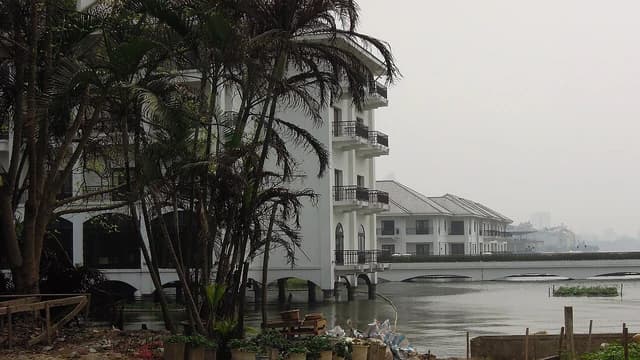
A new study published in the journal Cities says urban homeownership in Vietnam stood at 77.9% in the 2019 census, among the highest in the world. The number is real, but it comes with a caveat: it is based on self-reported household ownership and can include homes with incomplete legal paperwork. In other words, Vietnam’s high ownership rate does not necessarily mean the market is cheap or healthy. It often means households have found informal ways to get into the market.
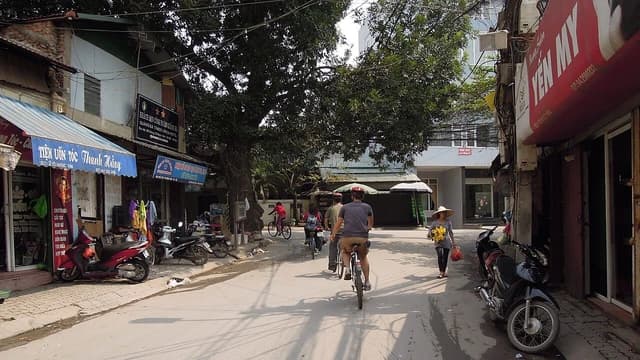
That helps explain why house prices can be so high relative to income. In Hanoi and Ho Chi Minh City, land and location carry enormous premiums, and public infrastructure spending often adds to those values. According to the research cited by lecturer Huynh The Du, homes on streets with car access were valued about 24% higher than homes in narrower alleys, while frontage properties were worth roughly double. The gains are not driven by roads alone, but by the mix of access, business potential and market expectations that comes with better-connected urban land.
For investors, that is a familiar and important pattern: when a city keeps pouring capital into transport and utility upgrades, the biggest windfall often lands with existing landowners unless the state finds a way to recapture some of that uplift. That is why the policy debate in Vietnam now matters so much. If the public sector pays for roads, drainage and other infrastructure, but private owners capture most of the value appreciation, budgets get squeezed and future projects become more expensive. The article warns that speculative buying ahead of planned infrastructure can push land prices even higher before construction starts, forcing the government to pay more for compensation later.
The Ho Chi Minh City market shows the tension clearly. New apartment supply is finally returning after a long shortage, and transactions reportedly rose 40% in the third quarter of 2026. Even so, prices have not meaningfully eased because financing remains expensive, with home loan rates still around 12% to 15%. That is the real brake on demand: not a lack of interest, but a lack of affordability.
The result is a market split in two. Luxury housing still dominates new supply, while affordable homes remain scarce. Adalytica’s Housing Fear & Greed Index currently shows greed at 82, but awareness at just 4, a reminder that enthusiasm can coexist with very limited broad-based participation. Its housing and rent inflation gauge sits in fear territory at 29, underscoring how stretched the affordability picture remains.
That is why the long-term investment story here is not simply “property prices are high.” It is that Vietnam is moving toward a more formal, more regulated housing system, and that shift will create winners and losers. Tighter construction and land rules are likely to improve safety and urban quality, but they also raise the cost of entry for first-time buyers. If the state does not expand official supply quickly enough, young workers may be pushed farther from job centers, rent burdens may rise, and cities could lose some of the labor they need to stay competitive.
For Ho Chi Minh City especially, expensive land carries a broader economic cost. It raises living costs for employers, increases logistics and industrial site expenses, and leaves households with less room to spend on education, health care and entrepreneurship. Over time, that is a drag on productivity, not just on housing comfort.
| Entity | Gains | Losses |
|---|---|---|
| Existing urban homeowners | ▲Higher land values | ▼Affordable access for newcomers |
| First-time buyers and young workers | ▲More formal housing supply over time | ▼Today’s purchase affordability |
| Developers of social/rental housing | ▲Policy support and demand | ▼Speculative land flippers |
| Cities and taxpayers | ▲Better infrastructure and safety | ▼Windfalls captured by private owners |