Vietnam has formalized how its top housing and real estate steering committee will operate, a move that could matter more for long-term investors than the headline sounds at first glance. The new rules are designed to make housing policy more coordinated, more transparent and harder to game — exactly the kind of institutional cleanup that can support a healthier property market over time.
Vietnam housing committee adds oversight rules

The most important part is not the paperwork itself, but what it says about Hanoi’s priorities. The committee will sit directly under the prime minister’s leadership, coordinate ministries and local governments nationwide, and push for a more unified response to housing shortages, speculative behavior and data gaps. That matters economically because housing is not just a consumer issue in Vietnam; it is a major channel for household wealth, construction demand, bank credit and broader financial stability.
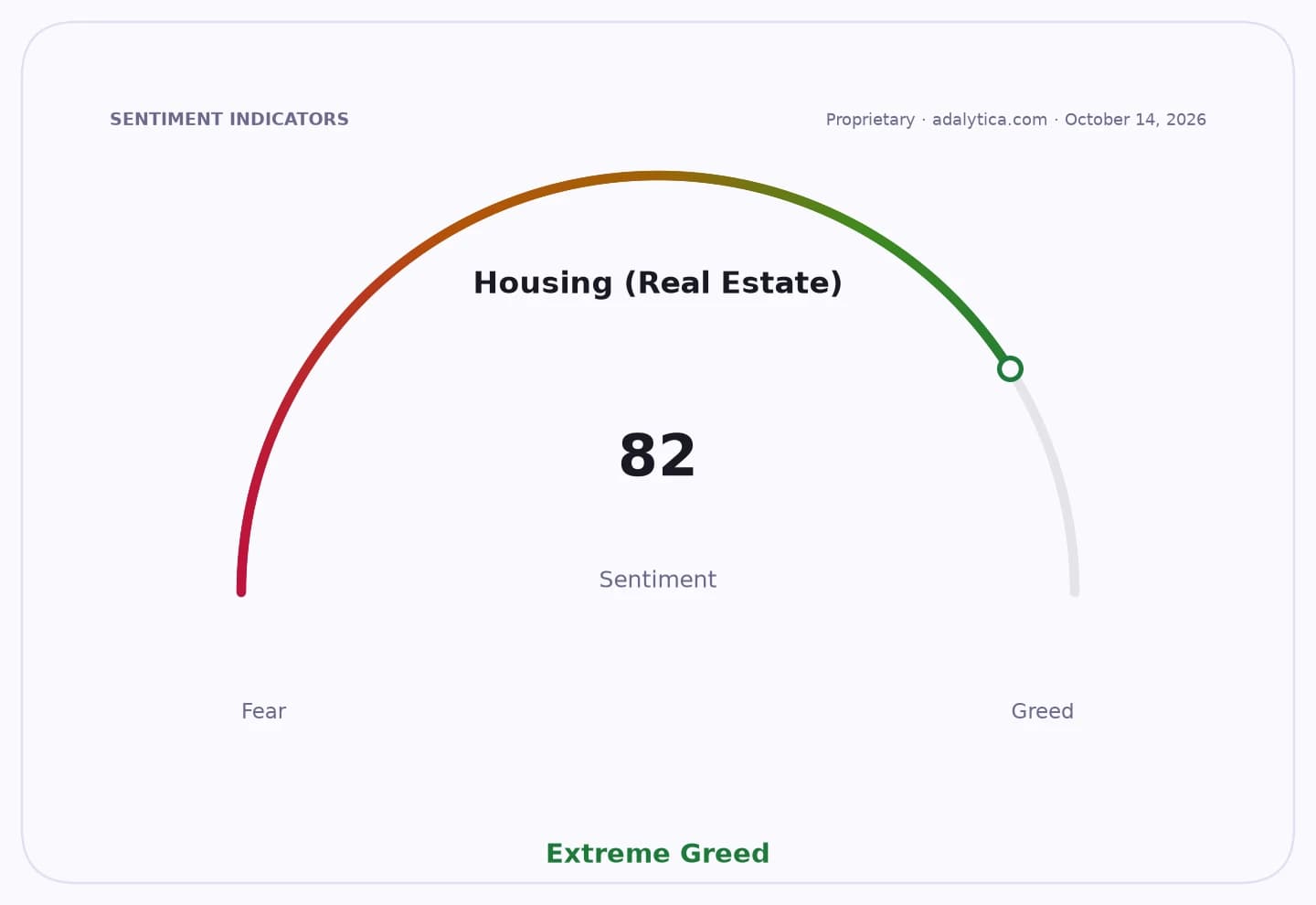
Sentiment IndicatorsⓘProprietary · adalytica.com · October 14, 2026
This is a snapshot — live sentiment, awareness and momentum for 130+ markets update continuously in the dashboard.Open AlphaPulse
For investors, clearer governance can be a real positive. Real estate markets tend to thrive when rules are predictable and enforcement is consistent. Vietnam’s framework now explicitly calls for better disclosure, faster reporting, and shared housing and property-market data across agencies. It also stresses social housing, rental housing and protections for lower-income buyers, while warning against speculation and profiteering. In plain English: the government appears to be trying to shift the market away from froth and toward more sustainable demand.
That shift matters because housing affordability is a pressure point in many economies, and Vietnam is no exception. When policymakers focus on supply, land use, infrastructure and rental stock, they are trying to ease the bottlenecks that can distort prices and choke off end-user demand. A steadier market is better for builders, lenders, landlords and homebuyers alike. It also helps the state maintain macroeconomic stability by reducing the chance that property excess spills into the banking system.
The timing also fits a broader global pattern. From Spain to other parts of Europe, housing shortages are becoming politically explosive, forcing governments to intervene more aggressively. Vietnam’s move suggests it wants to get ahead of similar social and economic strains by building a more centralized policy engine. The emphasis on digital data sharing is especially important because you cannot manage what you cannot measure, and fragmented real estate data has long made it easier for bubbles, speculation and policy mistakes to build.
For investors, the key takeaway is that this is a policy signal in favor of order, not a quick stimulus burst. It is unlikely to produce an immediate windfall for property stocks, but it could gradually improve the investment case for developers, construction-related businesses and housing finance by reducing uncertainty and supporting more durable demand. If Vietnam follows through, the beneficiaries are likely to be companies aligned with affordable housing, rental supply and infrastructure-linked development rather than the most speculative names in the sector.
That makes the new steering committee worth watching closely. In housing, the difference between chaos and credibility can determine who compounds for years and who gets left behind.
| Entity | Gains | Losses |
|---|---|---|
| Vietnam housing buyers | ▲Better transparency | ▼Speculative pricing |
| Affordable housing developers | ▲Policy support | ▼Land hoarders |
| Banks and lenders | ▲Lower systemic risk | ▼Riskier property bets |
| Speculators | ▲— | ▼Tighter oversight |