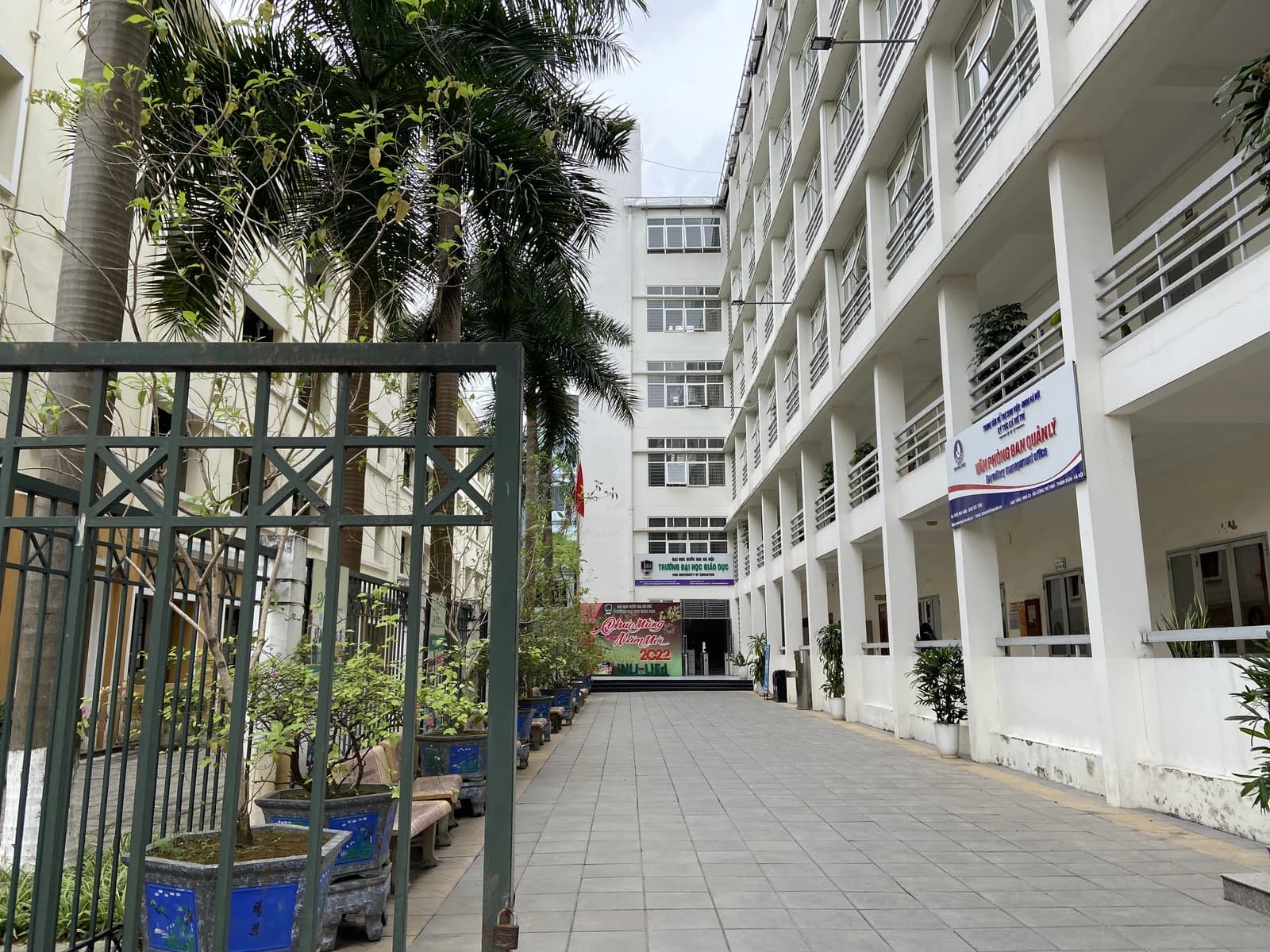
Vietnamese authorities have charged four people in a case involving about 80 billion dong in off-book “difference fees” collected from nearly 300 buyers and lease-purchasers at the AZ Thang Long social housing project in Hanoi, underscoring how profit extraction in subsidized housing can distort affordability and shake confidence across the sector.
Vietnam Charges 4 in Hanoi Social Housing Fee Case
The case matters far beyond one development. Social housing is supposed to be a pressure valve for a market squeezed by high urban prices, tight household budgets and a chronic shortage of affordable supply. When developers or intermediaries allegedly add hidden charges on top of regulated pricing, they do more than break the rules: they effectively tax the very buyers the policy is meant to protect, while damaging trust in a segment that relies on state-backed credibility to function.
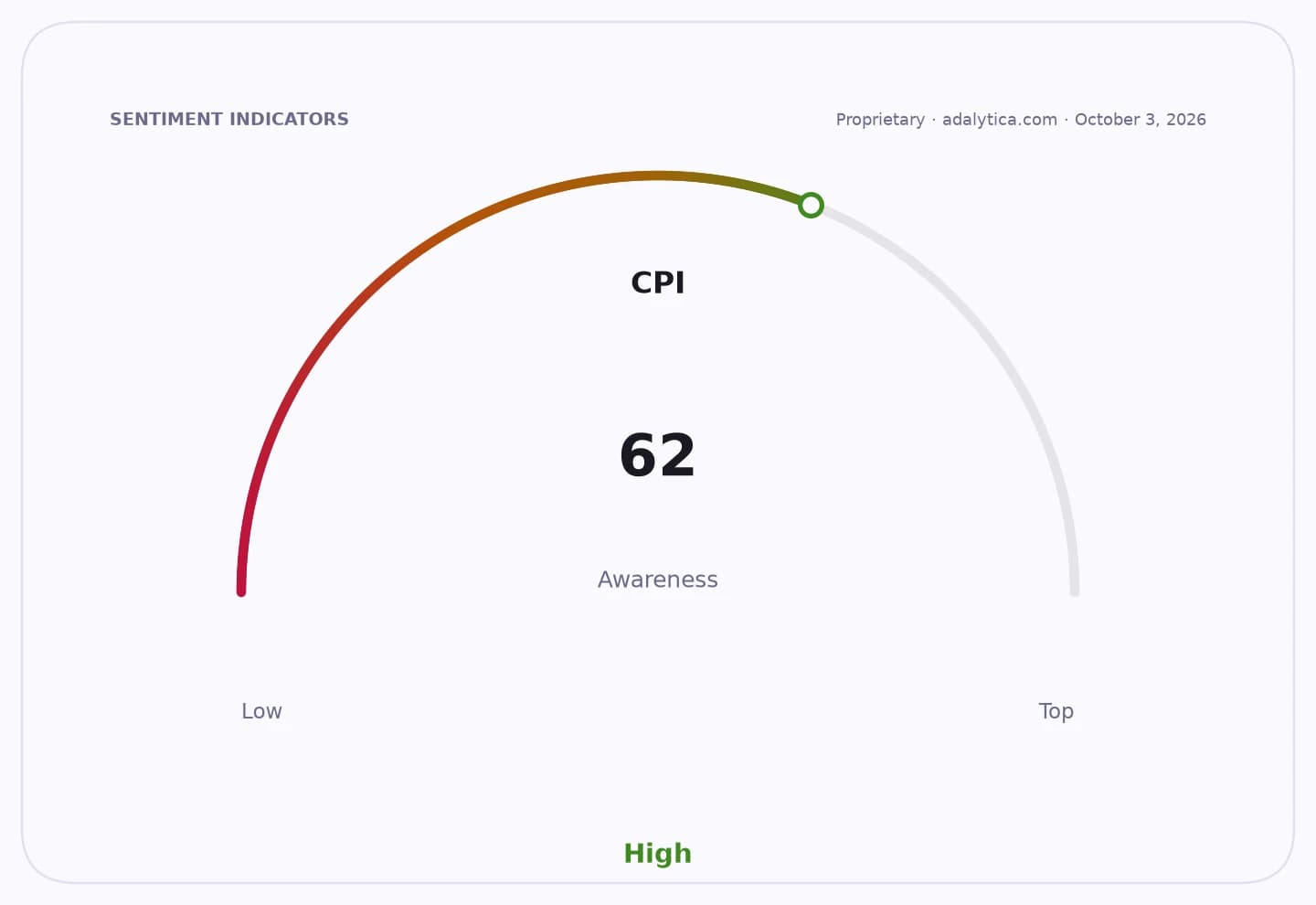
Sentiment IndicatorsⓘProprietary · adalytica.com · October 8, 2026
This is a snapshot — live sentiment, awareness and momentum for 130+ markets update continuously in the dashboard.Open AlphaPulse
Investigators said the extra payments were disguised as registration forms, consulting contracts and stamped receipts from Mangala trading floor, then routed through personal accounts before being moved back to company leadership. The alleged proceeds were kept off the books and outside tax reports, according to the Hanoi police. The people charged include Lương Song Hào, chairman of AZ Thang Long’s parent company, along with its general director, a deputy general director and the head of the Mangala sales floor.
The structure of the alleged scheme is important because it points to a broader vulnerability in Vietnam’s housing market: the gap between regulated social-housing prices and the scarcity value of actual units. In Hanoi, where demand for affordable apartments remains intense, that gap creates room for rent-seeking, side payments and resale-style premiums even in projects that are meant to be tightly controlled. For policymakers, this is another reminder that affordable housing supply is not enough; enforcement and transparent allocation matter just as much.
For investors, the takeaway is blunt. The market underestimates how regulatory cleanup can reshape the economics of developers, sales agents and project pipelines. Any company exposed to social housing, land approvals or retail distribution of subsidized units now faces higher compliance risk, tighter scrutiny of pre-sales practices and potentially slower monetization if authorities widen the probe. That may hurt near-term sentiment for the broader residential complex, but it also strengthens the case for developers with cleaner governance, transparent pricing and direct access to compliant affordable-housing demand.
Adalytica’s Housing Fear & Greed Index shows awareness at an extreme-fear reading of 4 even as sentiment sits at neutral, a sign that market attention is still fragile and vulnerable to headline shocks. The combination is exactly where selective capital can matter most: fear can suppress valuations before fundamentals improve, but only for names that can prove they are not tied to the same misconduct or funding stress.
Our thesis is that Vietnam’s residential market is entering an inflection point where governance, not just land bank size, becomes a valuation driver. The best opportunity is in builders and housing-platform names that can benefit from a cleaner regulatory regime while avoiding the reputational and legal overhang now hitting the sector’s weakest actors. If authorities keep pressing this issue, the winners will be firms with transparent fee structures, strong compliance and genuine affordable-housing execution. The losers will be intermediaries and developers relying on opaque charges to pad returns.
| Entity | Gains | Losses |
|---|---|---|
| Compliant homebuilders | ▲Stronger trust | ▼Slower-tainted peers |
| Buyers of social housing | ▲Cleaner pricing | ▼Hidden fee burdens |
| Regulators | ▲Enforcement credibility | ▼None |
| AZ Thang Long / Mangala | ▲None | ▼Charges, scrutiny |