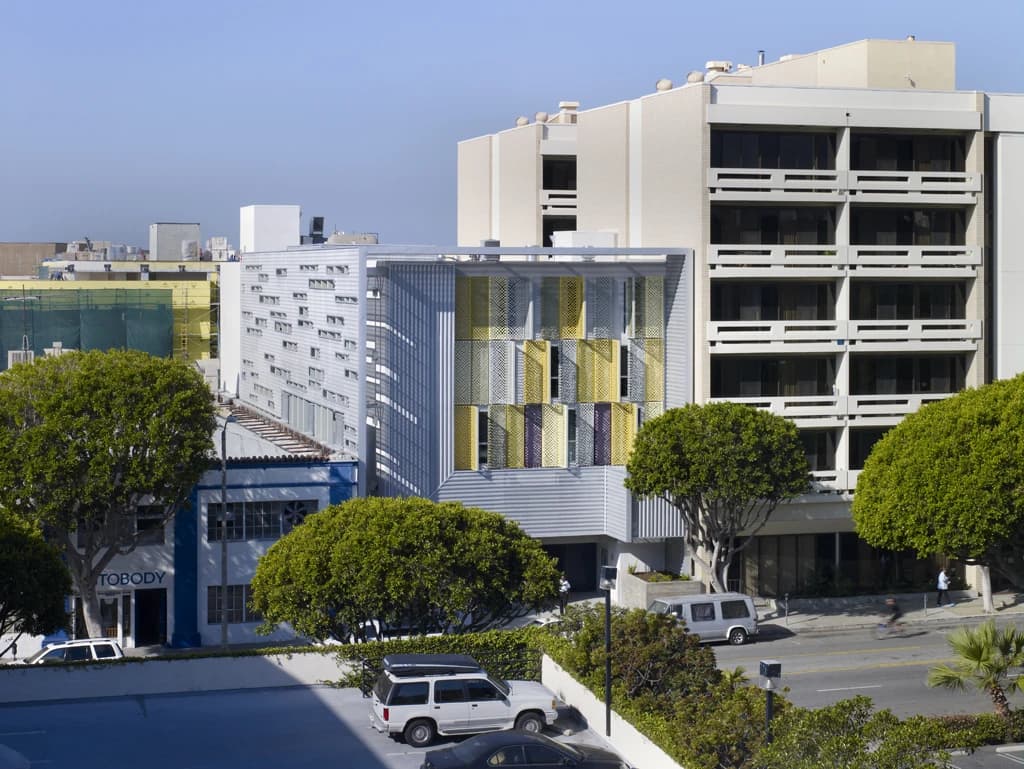
Nearly 200 households at Ho Chi Minh City’s 4S Linh Dong apartment complex have finally received long-awaited ownership certificates, a small but important signal that Vietnam’s housing market is starting to clear one of its most persistent legal bottlenecks.
Vietnam 4S Linh Dong Receives Ownership Certificates
That matters far beyond one project. In Vietnam, delayed “pink books” have tied up household wealth, restricted resale and mortgage activity, and left developers carrying a reputational and legal overhang for years. When titles move, property becomes bankable, liquid and investable. That is exactly the kind of fix the market needs if Vietnam wants to keep attracting capital into residential, industrial and urban projects.
Sentiment IndicatorsⓘProprietary · adalytica.com · October 3, 2026
This is a snapshot — live sentiment, awareness and momentum for 130+ markets update continuously in the dashboard.Open AlphaPulse
The handover at 4S Linh Dong came after more than 10 years of waiting for residents who bought into the 1,114-unit project, first delivered in 2014. The developer, Thanh Truong Loc Construction Co., said the certificates were issued after authorities and a working group helped resolve disputes over land-use fees, planning and eligibility paperwork that had slowed the process.
For homeowners, the payoff is immediate: legal certainty, easier transferability and the ability to unlock housing wealth. For banks and lenders, clearer title documentation lowers collateral risk. For developers across the country, it is a reminder that legal cleanup is now as important as new supply. Vietnam’s property sector has been trying to move from a cycle of stalled projects and complaint-driven delays toward a more transparent market where assets can actually be financed and traded.
The timing also fits a broader shift in Vietnam’s real estate story. Foreign capital into the sector has remained strong, with nearly $7 billion of inflows in the first nine months of the year, according to the market backdrop provided. But that money is increasingly favoring projects with cleaner legal status, better infrastructure links and stronger utility for long-term industrial and urban demand. In other words, capital is rewarding jurisdictions that can prove ownership, not just promise growth.
That is why this handover should matter to investors. The market often prices Vietnam real estate as a simple growth theme, but the real upside comes from legal normalization. Each resolved project reduces friction for the next one, improves confidence in land administration and raises the value of developers that can actually deliver certificates, not just apartments. The winners are developers with clean balance sheets and proven permitting execution; the losers are stalled projects, speculators waiting for paperwork and anyone relying on indefinite legal ambiguity.
The 4S Linh Dong case does not solve Vietnam’s property title backlog on its own, but it offers a template for how the backlog gets unwound: local authorities, task forces and developers working through the hardest files one by one. If that process continues, the biggest beneficiaries may not be the families receiving their pink books today, but the broader market that finally starts to trade on legal clarity instead of legal risk.
| Entity | Gains | Losses |
|---|---|---|
| 4S Linh Dong residents | ▲Property security | ▼Years of uncertainty |
| Thanh Truong Loc Construction | ▲Reputation repair | ▼Legal overhang |
| Vietnamese property market | ▲Higher transaction liquidity | ▼Title-risk discount |
| Banks and lenders | ▲Better collateral quality | ▼Weakly documented assets |