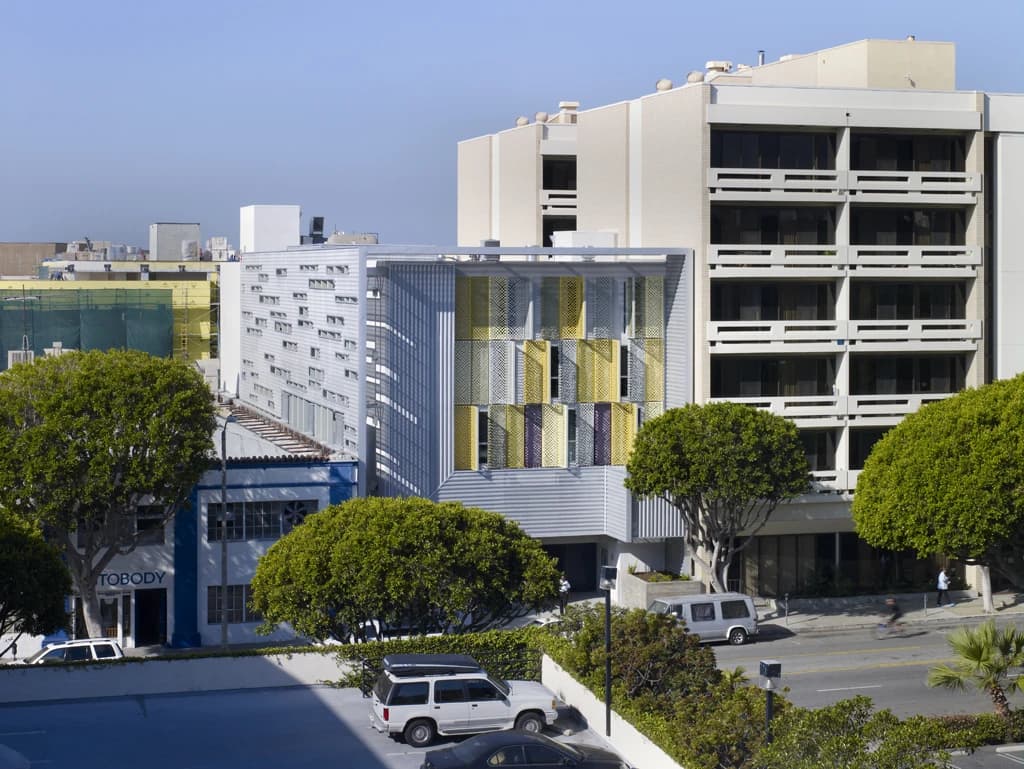
A flood of more than 15,000 registration applications for just 750 social housing apartments in Ho Chi Minh City is exposing how Vietnam’s loosened eligibility rules have turned scarce affordable homes into a lottery, putting pressure on policymakers to narrow access and get units to local workers first.
Ho Chi Minh City social housing demand surges
The mismatch is economically important because social housing is supposed to absorb demand from low- and middle-income households that are priced out of commercial property. When one project in the city’s former District 10 draws about 20 applicants per apartment, the shortage is no longer a housing story alone — it becomes a labor, consumption and urban stability issue for Vietnam’s biggest economic hub.
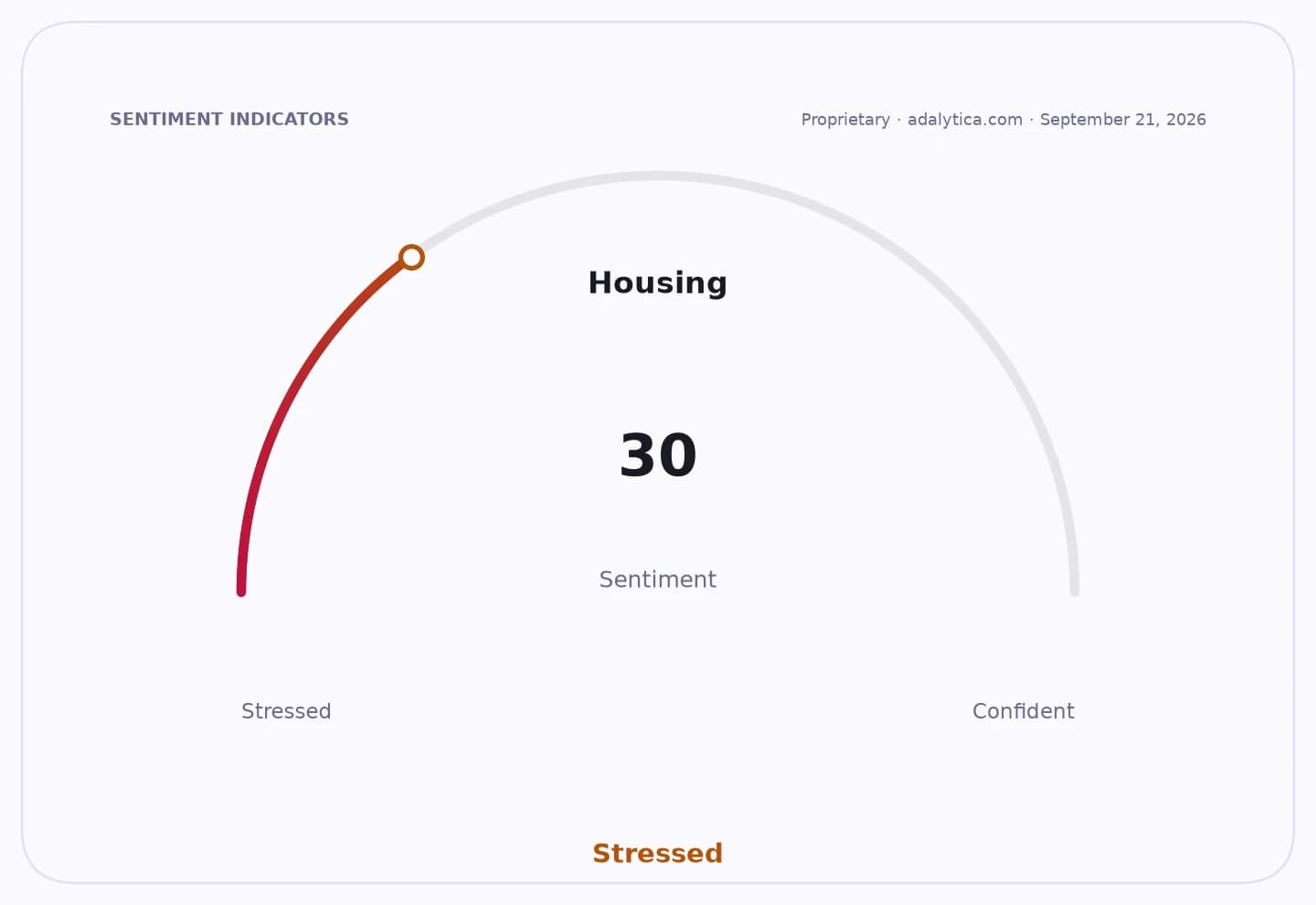
Sentiment IndicatorsⓘProprietary · adalytica.com · September 27, 2026
This is a snapshot — live sentiment, awareness and momentum for 130+ markets update continuously in the dashboard.Open AlphaPulse
The latest scramble centers on a project at 324 Ly Thuong Kiet Street in Diên Hồng ward, where demand has already overwhelmed supply. Reported competition of as much as 1-in-18 underscores how few affordable options exist in a city where workers can spend years contributing to the economy and still fail to qualify for a unit.
The pressure has intensified after Vietnam’s 2023 Housing Law removed residency criteria that had previously required buyers to hold local household registration or temporary residency for at least a year. Intended to make access easier for migrants, the change instead widened the applicant pool across provinces and diluted access for people already living and working in Ho Chi Minh City.
The Ho Chi Minh City Real Estate Association, or HoREA, wrote to the prime minister on Sept. 22 asking for residency conditions to be restored. It argues that without tighter rules, scarce supply will continue to be captured by applicants from outside the city, leaving long-term residents and workers behind.
Funding is the second bottleneck. HoREA says the current preferential mortgage rate of 5.4% is still too high for low-income buyers and wants it cut to 4.8%, while developers struggle to tap a 145 trillion dong credit package and are forced to borrow commercially at rates as high as 14%.
That financing gap matters for investors and the broader property market because social housing targets are still far from being met. Ho Chi Minh City is tasked with nearly 200,000 social housing units by 2030, but has delivered just over 11,600 so far, with 22 projects under construction and 89 more approved.
For the market, the story points to continued demand for policy support, cheaper funding and faster approvals across Vietnam’s housing sector. For policymakers, the immediate question is whether to restore residency filters, rewrite the priority system and unlock credit — or leave affordable housing as a highly competitive draw with little certainty for the workers it is meant to serve.
| Entity | Gains | Losses |
|---|---|---|
| Local workers in Ho Chi Minh City | ▲Better odds of allocation | ▼Less competition from outside applicants |
| Out-of-province applicants | ▲Wider access under current rules | ▼Lower chances if residency rules return |
| Developers | ▲Cheaper funding if credit improves | ▼Higher borrowing costs and slow disbursement |
| HoREA / policymakers | ▲More targeted allocation system | ▼Need to overhaul contested housing rules |