Vietnam sold 27.2 trillion dong, or about $1.04 billion, in government bonds at auction this week, the biggest volume this year, as the country steps up efforts to fund growth and broaden access to foreign capital. The outcome matters because it shows the state can still tap domestic liquidity even as global borrowing costs stay elevated and investors demand more yield.
Vietnam sells 27.2 trillion dong in bonds

The sale underscores Vietnam’s need to finance infrastructure and economic expansion without leaning too heavily on bank lending. It also comes as Hanoi tries to improve sovereign credit standing and attract more overseas money into its debt market, with officials looking to raise $10 billion to $20 billion over time through a deeper and more credible bond framework.
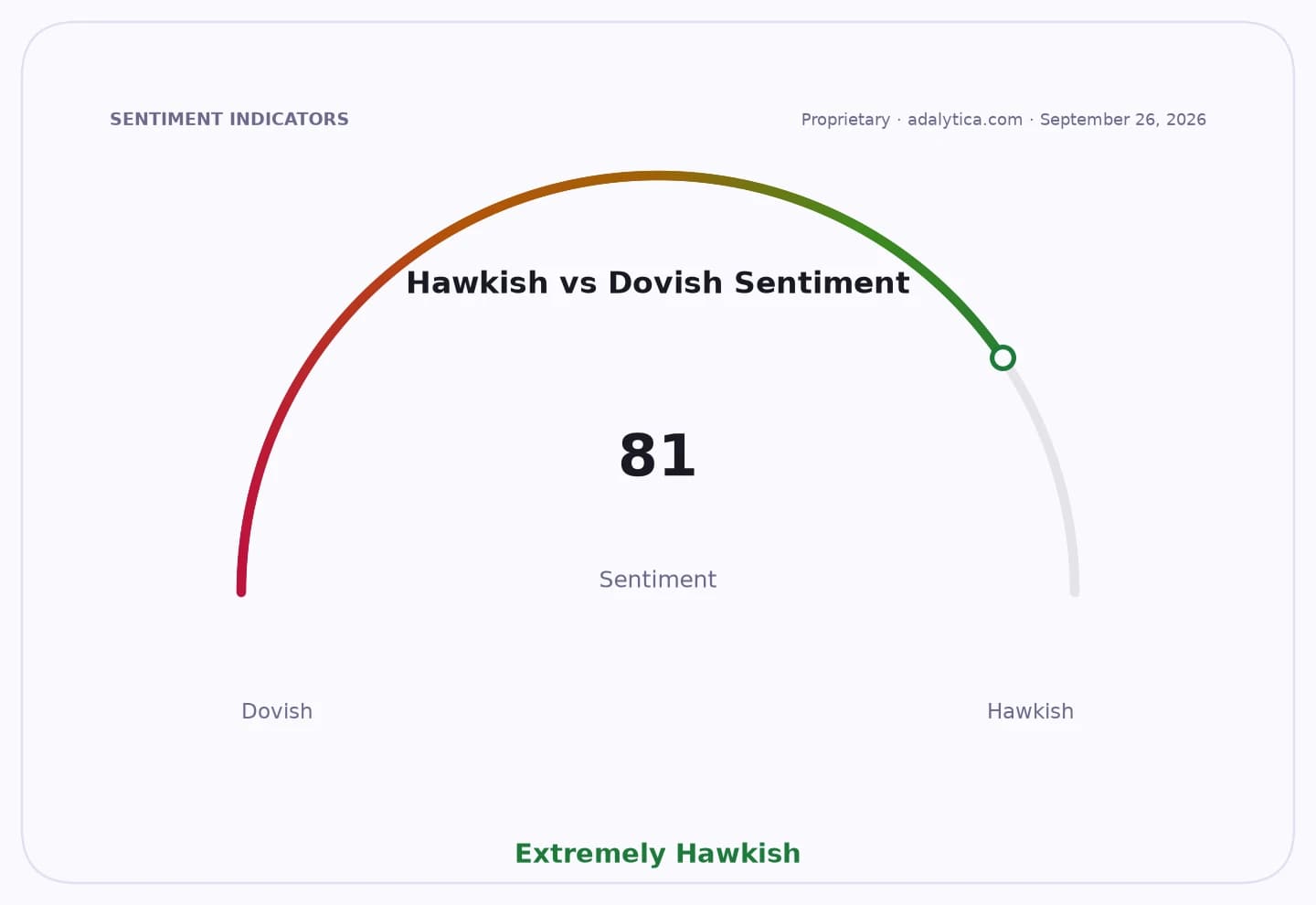
Sentiment IndicatorsⓘProprietary · adalytica.com · September 27, 2026
This is a snapshot — live sentiment, awareness and momentum for 130+ markets update continuously in the dashboard.Open AlphaPulse
For investors, the auction is a signal that Vietnam’s government paper retains demand despite a tougher backdrop for emerging-market debt. Rising U.S. Treasury yields have made global fixed income less forgiving, so a strong local auction suggests domestic institutions remain willing buyers and that the government can fund itself at scale when needed.
The auction also supports the broader narrative that Vietnam is trying to turn its bond market into a more reliable financing channel, including for infrastructure spending in major cities such as Ho Chi Minh City. That effort will depend on continued market confidence, ratings progress and whether global rates stay near multi-year highs.
Vietnam’s next test is whether it can keep that momentum in future sales and draw in more long-term investors as it pushes ahead with broader capital-market reforms.
| Entity | Gains | Losses |
|---|---|---|
| Vietnam government | ▲Lower funding risk | ▼Needs to keep investor confidence |
| Domestic bond buyers | ▲Access to sovereign yield | ▼Duration risk if rates rise |
| Foreign investors | ▲Potential entry point | ▼FX and rate volatility |
| U.S. Treasuries | ▲— | ▼Compete for global capital |