Vietnam is leaning on its wartime-era ties with the United States as General Secretary and President To Lam uses a New York trip to reinforce Hanoi’s image as a stable, cooperative partner while pressing ahead with long-term growth ambitions.
Vietnam To Lam New York trip focuses on U.S. ties
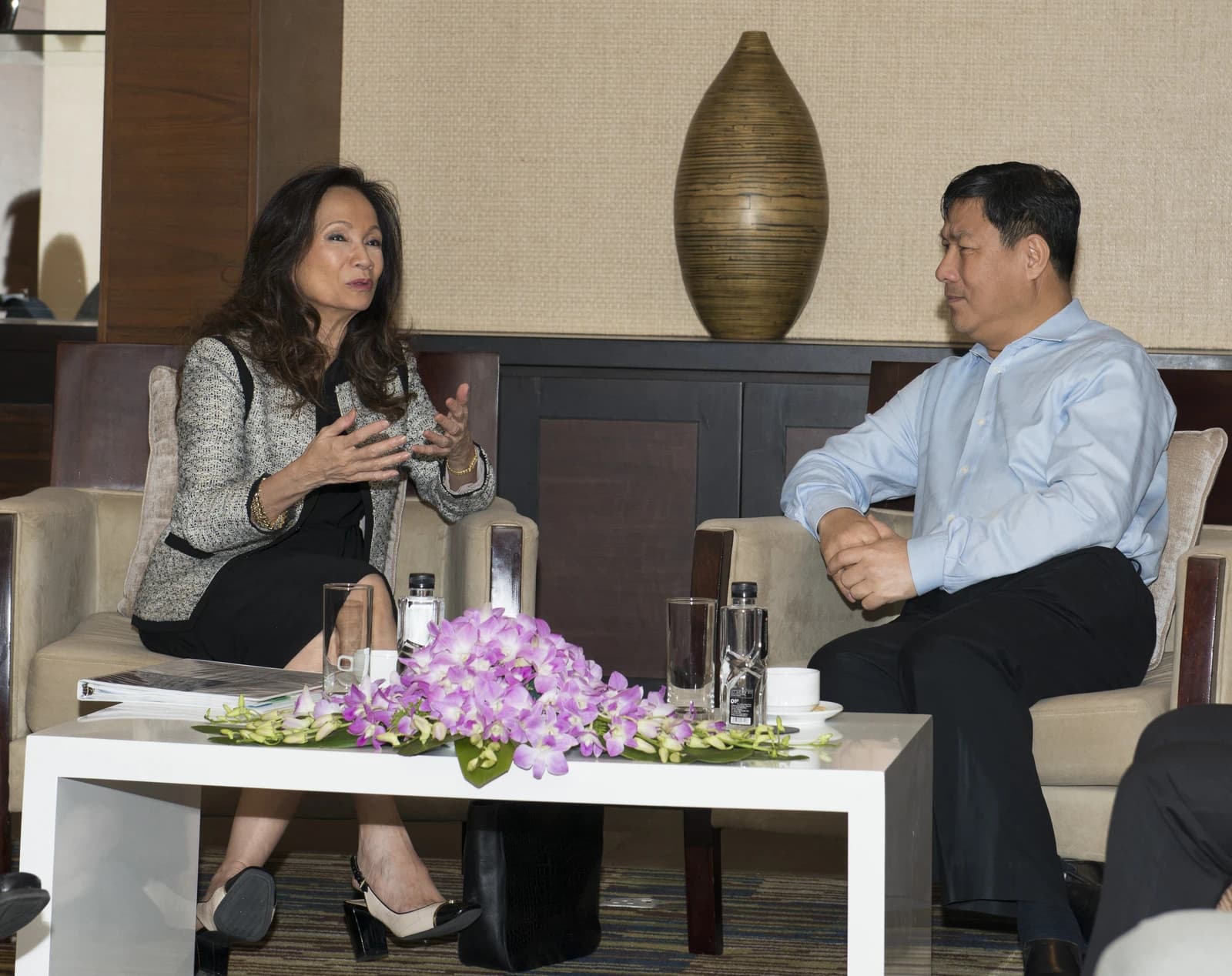
To Lam met with “friends of the U.S.” in New York on the sidelines of the 81st United Nations General Assembly, thanking Americans who supported Vietnam during the war and afterward, including efforts on war legacy cleanup, disability care, education and health. The message matters because Hanoi is linking its diplomatic outreach to a broader economic pitch: Vietnam wants to accelerate reforms, attract outside support and keep its ascent on track toward becoming a higher-income, industrialized economy by 2030 and a developed country by 2045.
The meeting also underscored a practical policy agenda, not just symbolism. To Lam said Vietnam still needs help searching for missing soldiers, clearing unexploded ordnance and dioxin contamination, and identifying war dead — all issues that continue to drain resources and weigh on communities half a century after the war ended.
For investors, the take-away is that Vietnam is signaling continuity in its foreign policy and a willingness to deepen engagement with the U.S. at a time when supply-chain diversification, trade flows and investment in Southeast Asia remain in focus. That makes political stability and constructive relations with Washington part of the country’s investment case, especially for manufacturers, infrastructure investors and groups tied to aid, healthcare and education.
To Lam also urged agencies to respond more quickly to cooperation proposals, saying supporters should know who to contact, how ideas are being reviewed and what obstacles remain. That suggests Hanoi wants a more usable channel for foreign groups seeking to work in Vietnam — a potentially important detail for businesses that often cite bureaucracy as a hurdle.
The trip adds to Vietnam’s broader effort to present itself as peaceful, pro-development and open to partnerships as it pursues its 2030 and 2045 targets. The next tests will be how quickly those diplomatic messages translate into concrete cooperation, especially on war legacy projects, investment ties and follow-through from U.S. stakeholders.
| Entity | Gains | Losses |
|---|---|---|
| Vietnam government | ▲U.S. goodwill; support for reforms | ▼Slower delivery on war-legacy cleanup |
| U.S. veterans and supporters | ▲Formal recognition; renewed access | ▼Less influence if follow-up stalls |
| Foreign investors | ▲Clearer pro-partnership signal | ▼Bureaucratic delays if reforms lag |
| War victims and families | ▲Potential aid and information sharing | ▼Continued wait for answers and cleanup |