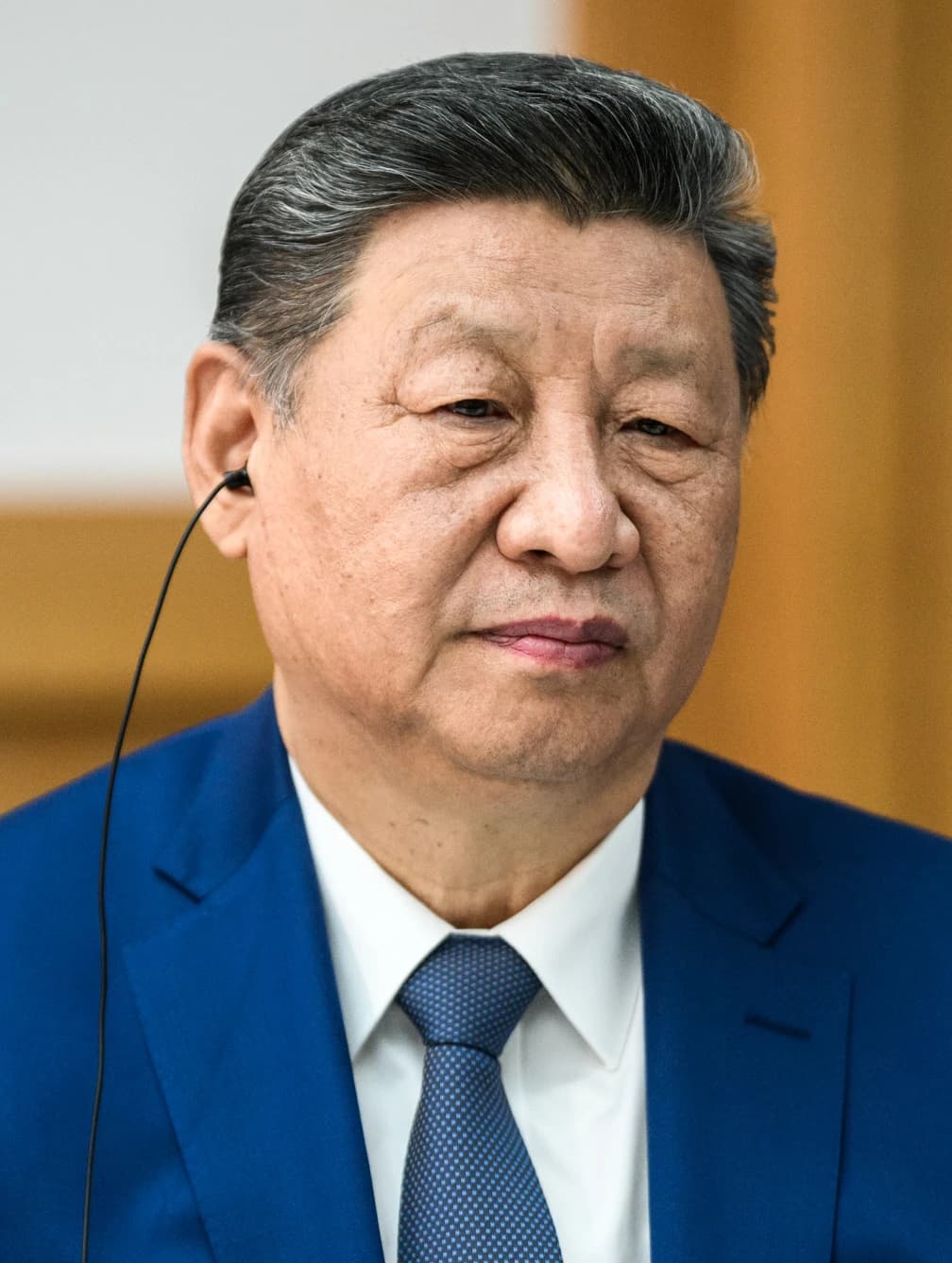
Vietnam is using General Secretary and President To Lam’s Bloomberg TV interview to send a clear message: it wants deeper U.S. economic ties, a faster trade agreement, and the foreign investment needed to power an ambitious long-term growth plan.
Vietnam seeks deeper U.S. trade and investment
That matters because Vietnam is no longer just selling a labor-cost story. It is trying to move up the value chain with data centers, power grids, semiconductors, AI and higher-quality investment, while also managing one of the biggest risks in its external strategy — the trade imbalance with Washington.
To Lam said Vietnam is working to complete a reciprocal trade agreement with the United States and wants the relationship to remain “stable, substantial, balanced and sustainable.” He also acknowledged U.S. concerns about trade deficits, but argued the two economies are increasingly complementary and should focus on building a fairer, more durable commercial framework.
For investors, that is important on two levels. First, a more predictable U.S.-Vietnam trade setup could reduce policy risk for exporters, manufacturers and supply-chain investors that have bet on Vietnam as an alternative production base in Asia. Second, To Lam’s emphasis on technology, digital transformation and high-quality investment points to where capital may flow next: infrastructure, energy, cloud, AI, education and advanced manufacturing.
Vietnam’s ambitions are also larger than the bilateral relationship. To Lam framed the country’s economic strategy around science, technology, innovation and human capital, and said the government is targeting average GDP growth above 10% a year in 2026-2030. That is an aggressive goal, but it tells you what Hanoi is trying to achieve: sustained expansion, higher productivity and a move into richer, more complex industries.
The economic logic is straightforward. Vietnam needs foreign capital, modern infrastructure and deeper access to global markets if it wants to keep growing at a fast clip while avoiding the middle-income trap. That is why To Lam kept returning to institutional stability, technology governance and strategic autonomy. In practical terms, investors should hear a government that wants more multinational manufacturing, more digital infrastructure and more long-duration partnerships, not just short-term trade.
The backdrop is a U.S.-Vietnam relationship that has evolved from wartime history into a comprehensive strategic partnership. To Lam said both sides see long-term value in a relationship built on trust, respect and shared interests. He also highlighted cooperation in war legacy issues, education, science and technology, semiconductors and AI, all of which help deepen ties beyond headline trade figures.
For long-term investors, the most interesting takeaway is not the diplomacy itself but the direction of travel. Vietnam is signaling that it wants to be a bigger node in the global supply chain, a more credible destination for technology investment and a more important partner for U.S. capital. If Hanoi can turn those promises into enforceable policy and real projects, the country’s growth story could still have room to run. Worth watching, and for patient investors, worth keeping on the radar.
| Entity | Gains | Losses |
|---|---|---|
| Vietnam | ▲More U.S. capital and market access | ▼Pressure to narrow trade gaps |
| U.S. investors | ▲New infrastructure and tech opportunities | ▼Exposure to policy execution risk |
| Vietnamese exporters | ▲A more stable trade framework | ▼Less benefit from pure cost arbitrage |
| U.S. policymakers | ▲Stronger strategic ties with Hanoi | ▼Ongoing deficit concerns |