Vietnam’s property sector is still finding credit too expensive to use, with developers saying almost none of the country’s social-housing builders can access the 145 trillion dong lending package offered by nine banks at 6.1% a year.
Vietnam property sector lacks access to cheap credit
That leaves many projects dependent on commercial borrowing, in some cases at rates as high as 14%, according to the Ho Chi Minh City Real Estate Association, or HoREA. For a sector already battling weak demand and high land costs, the gap between policy rates and actual funding costs is slowing new supply and keeping home prices out of reach for lower- and middle-income buyers.
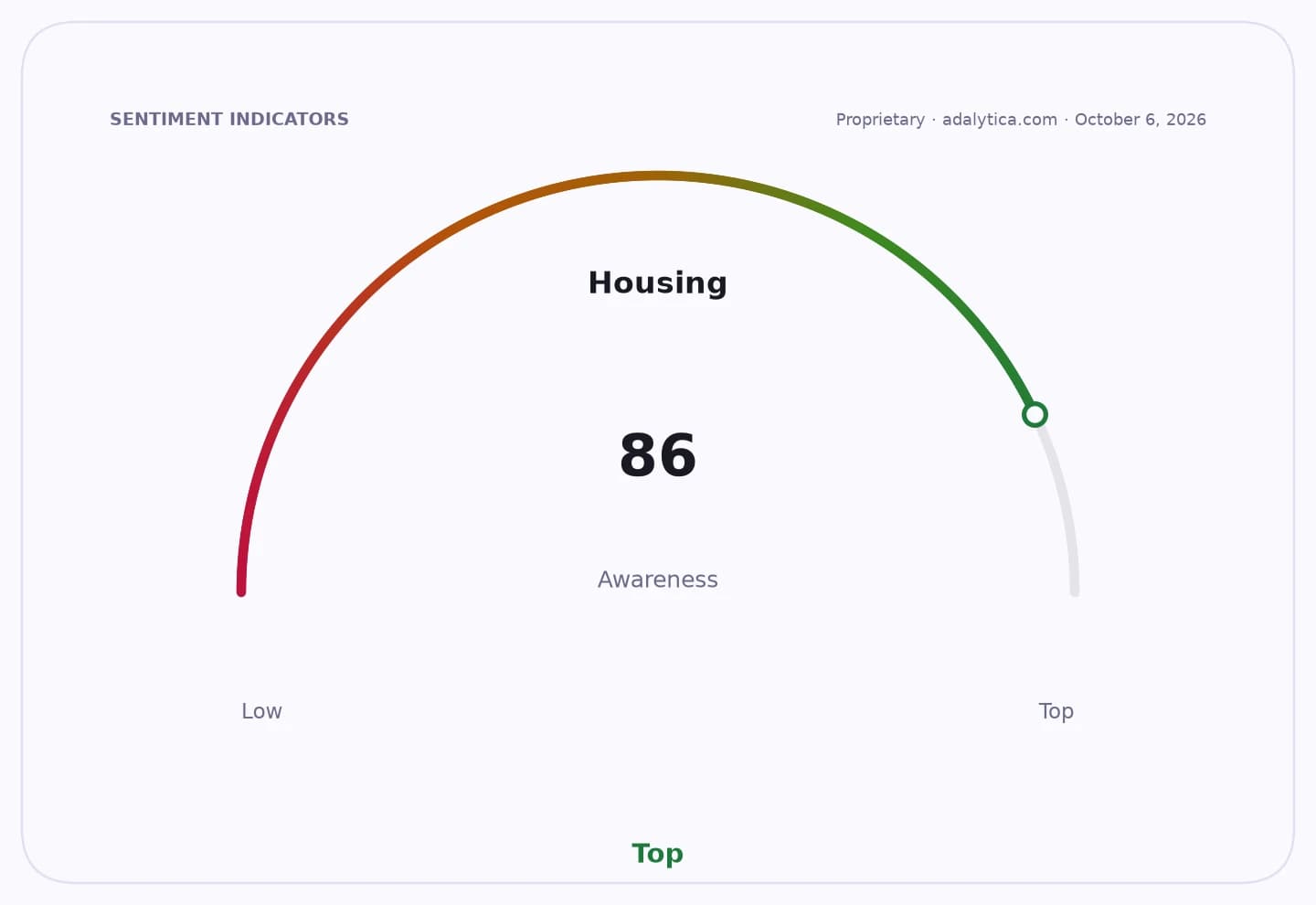
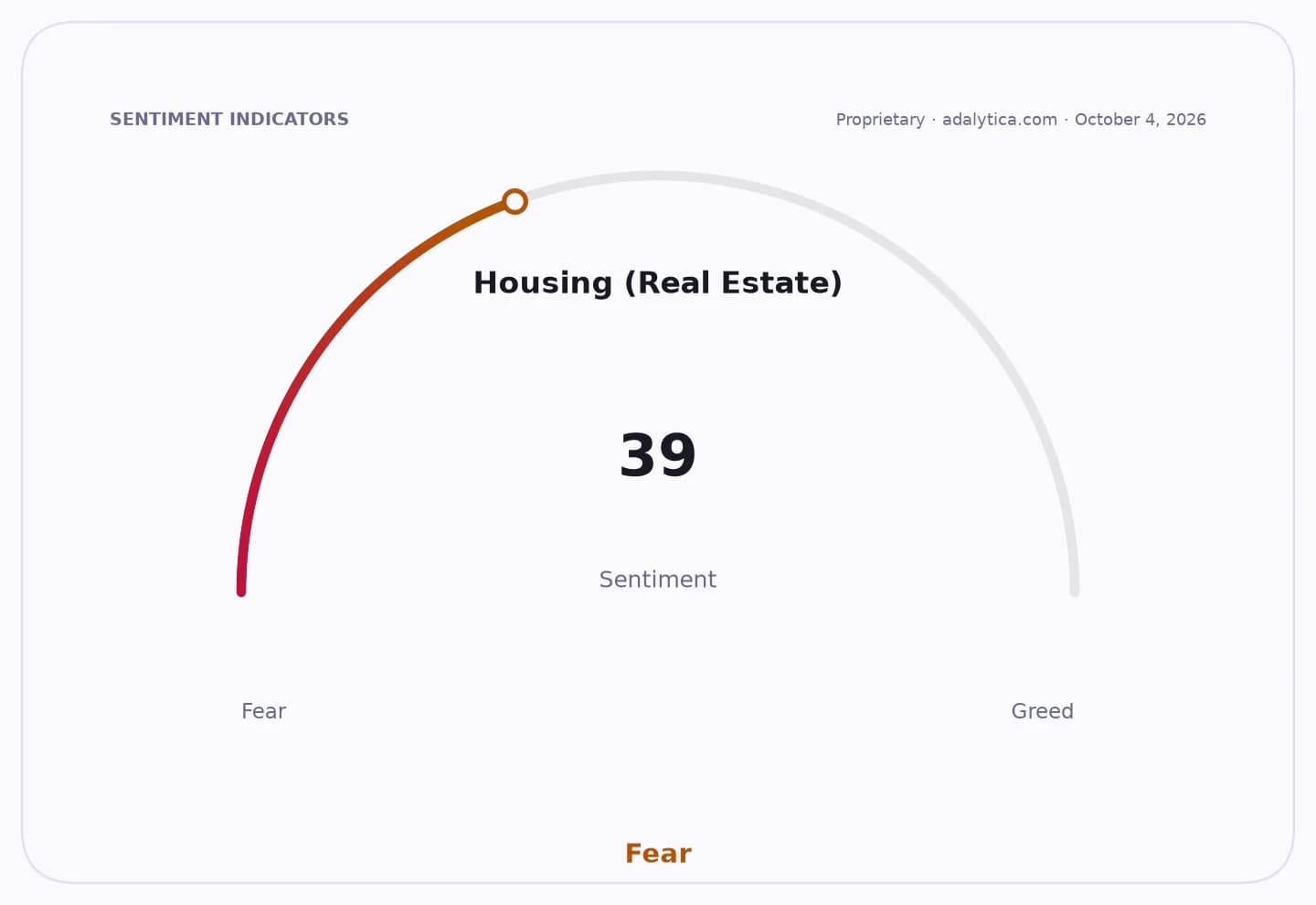
Sentiment IndicatorsⓘProprietary · adalytica.com · September 30, 2026
This is a snapshot — live sentiment, awareness and momentum for 130+ markets update continuously in the dashboard.Open AlphaPulse
The problem matters beyond developers’ balance sheets. If subsidized credit does not reach the projects it is designed for, Vietnam’s effort to expand affordable housing risks stalling, limiting construction activity, jobs and downstream demand for building materials, cement and related services. It also leaves households facing a tighter rental and ownership market just as incomes for many buyers remain under pressure.
HoREA said the preferential mortgage rate for social housing buyers has already been cut to 5.4% from 6.6%, but it still wants the rate lowered to 4.8%, arguing it remains too high for low-income borrowers. The association also called for a separate mechanism to develop commercially priced homes for middle- and lower-income buyers, saying current rules do not adequately support that segment.
The lobbying push comes as lenders and regulators keep a close watch on real estate credit. In a separate sign of tighter oversight, Vietnam’s central bank has updated guidance for calculating 2026 credit growth in property-related lending, underscoring official concern about risk accumulation even as the sector seeks more financing.
HoREA is also pressing for tax and land-related relief, including a 70% cut in VAT and corporate income tax for rental housing projects, a lower ceiling on annual land-rent calculations and removal of additional charges during the period before land obligations are determined for compliant users. The group says higher land-price tables are inflating costs across the industry.
For investors, the message is that Vietnam’s real estate recovery remains constrained by funding access rather than just demand. Unless policy lending reaches developers and buyers more effectively, the sector is likely to stay fragmented: stronger players with balance-sheet access to capital should hold up better, while smaller developers, affordable-housing builders and land-heavy projects face continued margin pressure.
| Entity | Gains | Losses |
|---|---|---|
| Big developers with bank access | ▲Easier refinancing | ▼Smaller rivals squeezed |
| Social-housing buyers | ▲Lower rates if passed through | ▼Still-pricy mortgages |
| Commercial lenders | ▲Higher loan yields | ▼Policy credit quotas |
| Construction suppliers | ▲More project starts | ▼Demand delayed by weak financing |