More than 5,000 real estate projects worth 3.5 quadrillion dong are still mired in legal and administrative bottlenecks in Vietnam, underscoring how the country’s housing shortage is being shaped less by demand and more by the inability to bring supply to market.
Vietnam Real Estate Projects Face Legal Bottlenecks
That matters because the freeze keeps capital tied up, delays tax and fee collection, and leaves buyers facing persistent affordability pressure even as money continues to flow into property. It also means the market can stay tight for longer than headline transaction data suggests, with unfinished and unsold inventory failing to translate into usable homes.
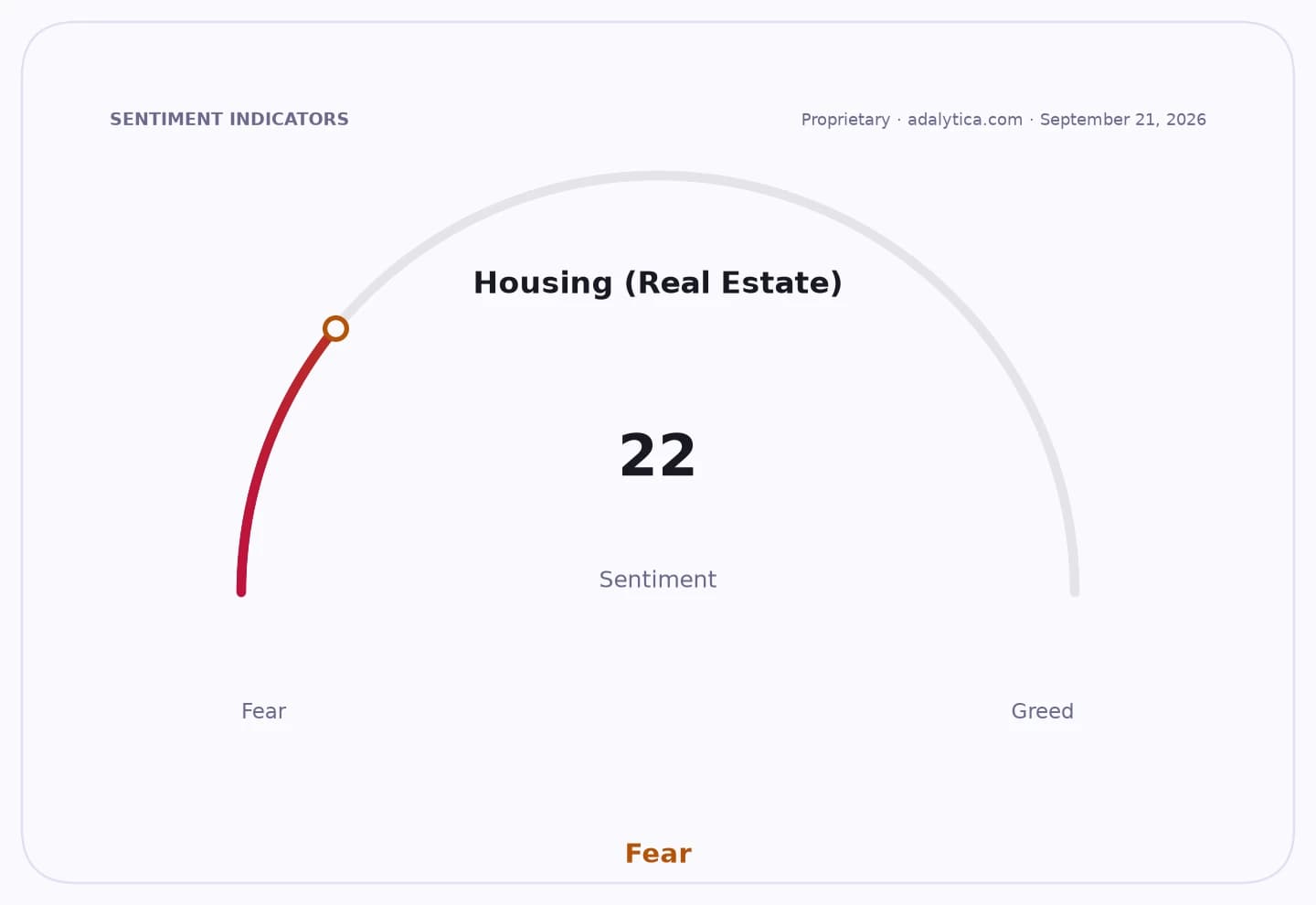
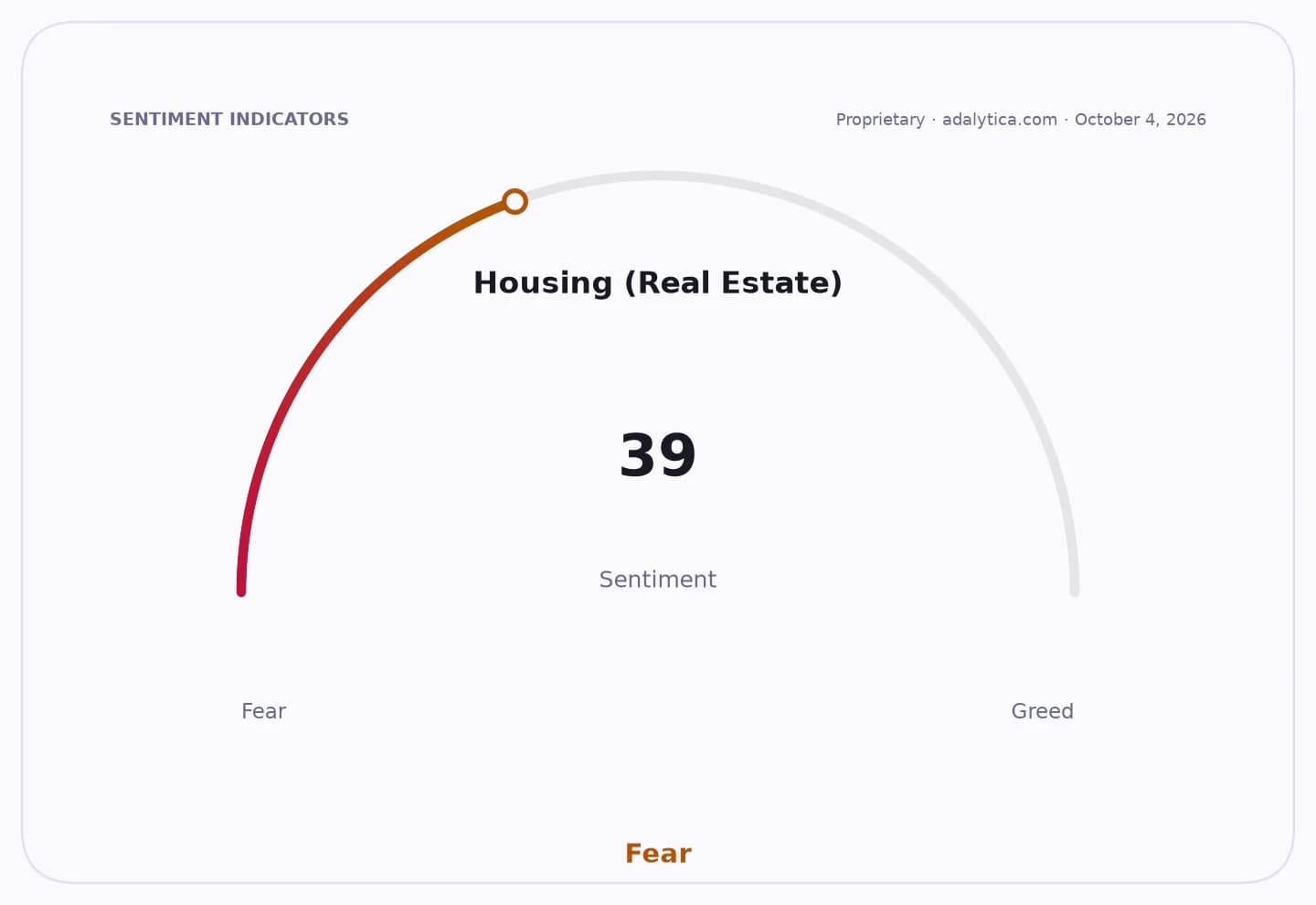
Sentiment IndicatorsⓘProprietary · adalytica.com · October 4, 2026
This is a snapshot — live sentiment, awareness and momentum for 130+ markets update continuously in the dashboard.Open AlphaPulse
The problem is especially visible in the housing segment. HUD’s planned social housing project in Thu Duc is expected to be sold at about 30.7 million dong per square meter, a level that would still be out of reach for many lower-income households in a city where land and construction costs remain elevated. In other words, even government-backed affordable supply is not cheap enough to fully close the gap.
For investors, the message is that Vietnam’s property market is still a stock-picking and policy-driven market rather than a broad cyclical recovery. Developers with clean land banks, fast approval pipelines and exposure to projects that can actually be handed over are likely to outperform those sitting on stranded assets. The same logic applies to banks and lenders: capital is only productive when projects can move from paper to completion.
There are signs that the blockage is easing at the margin, with hundreds of land plots and apartments reportedly cleared for title issuance. But the broader narrative remains the same: liquidity is not the same as deliverability. Until approvals speed up and stuck projects are released, the sector will continue to face a mismatch between demand for homes and the supply that can actually be built and sold.
| Entity | Gains | Losses |
|---|---|---|
| Clean developers | ▲Faster approvals | ▼Stranded capital |
| Homebuyers | ▲More eventual supply | ▼High near-term prices |
| Banks/lenders | ▲Better loan recovery | ▼Longer project delays |
| Local governments | ▲More tax receipts | ▼Administrative backlog |