Malaysia’s decision to raise the maximum LPPSA housing financing to RM1 million from the fourth quarter is a clear boost to public-sector homebuyers, but the bigger economic story is that it can also stretch household balance sheets at a time when affordability is already under pressure.
Malaysia raises LPPSA housing financing to RM1 million
For civil servants, the higher ceiling expands access to pricier homes and may support transaction volumes in Malaysia’s housing market. For lenders and policymakers, though, it also risks encouraging borrowers to take on larger long-term obligations just as the policy objective shifts from unlocking ownership to sustaining it. That tension is the heart of the story: more financing can improve entry, but it does not automatically solve affordability if wages, living costs and mortgage burdens move in the wrong direction.
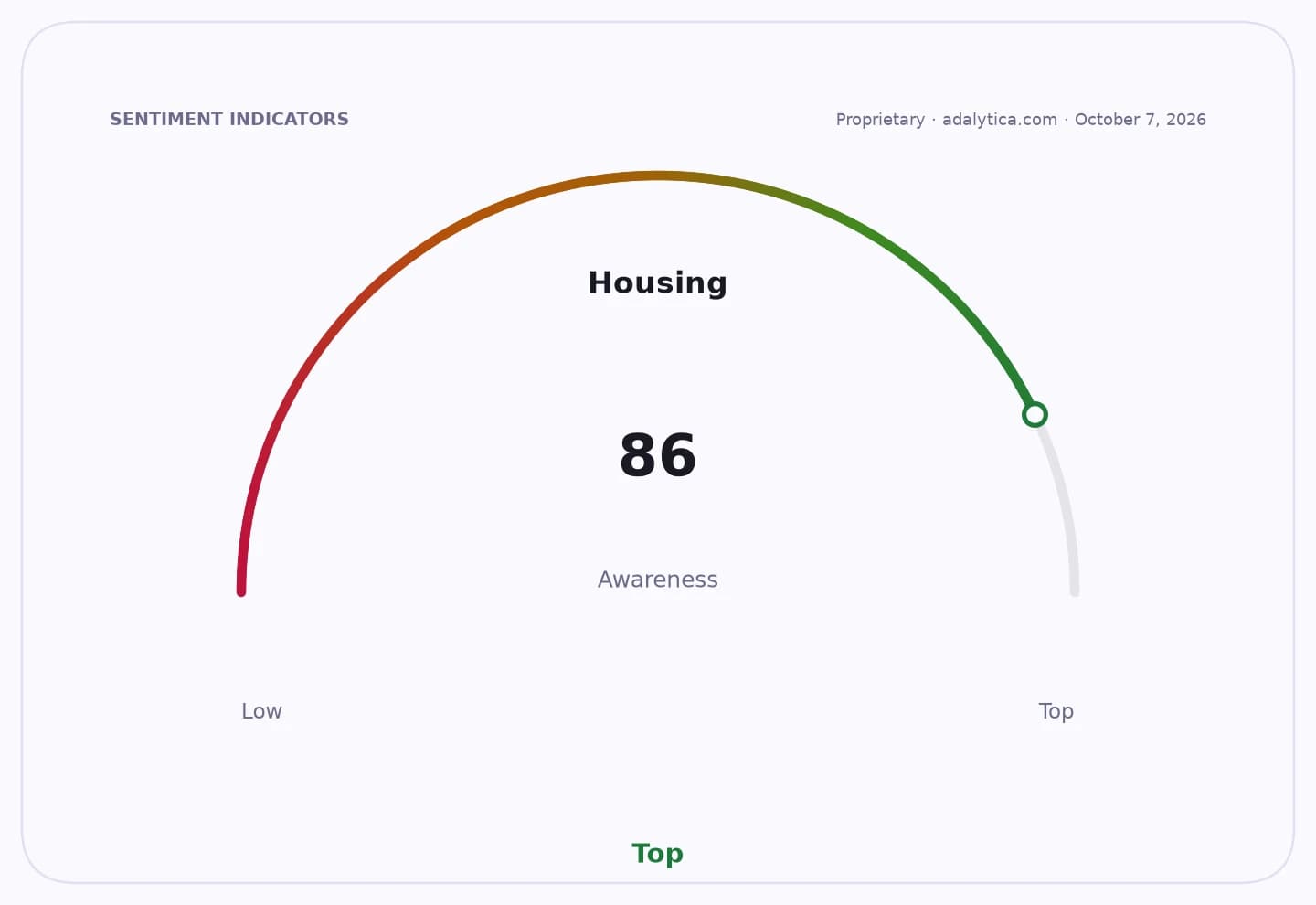
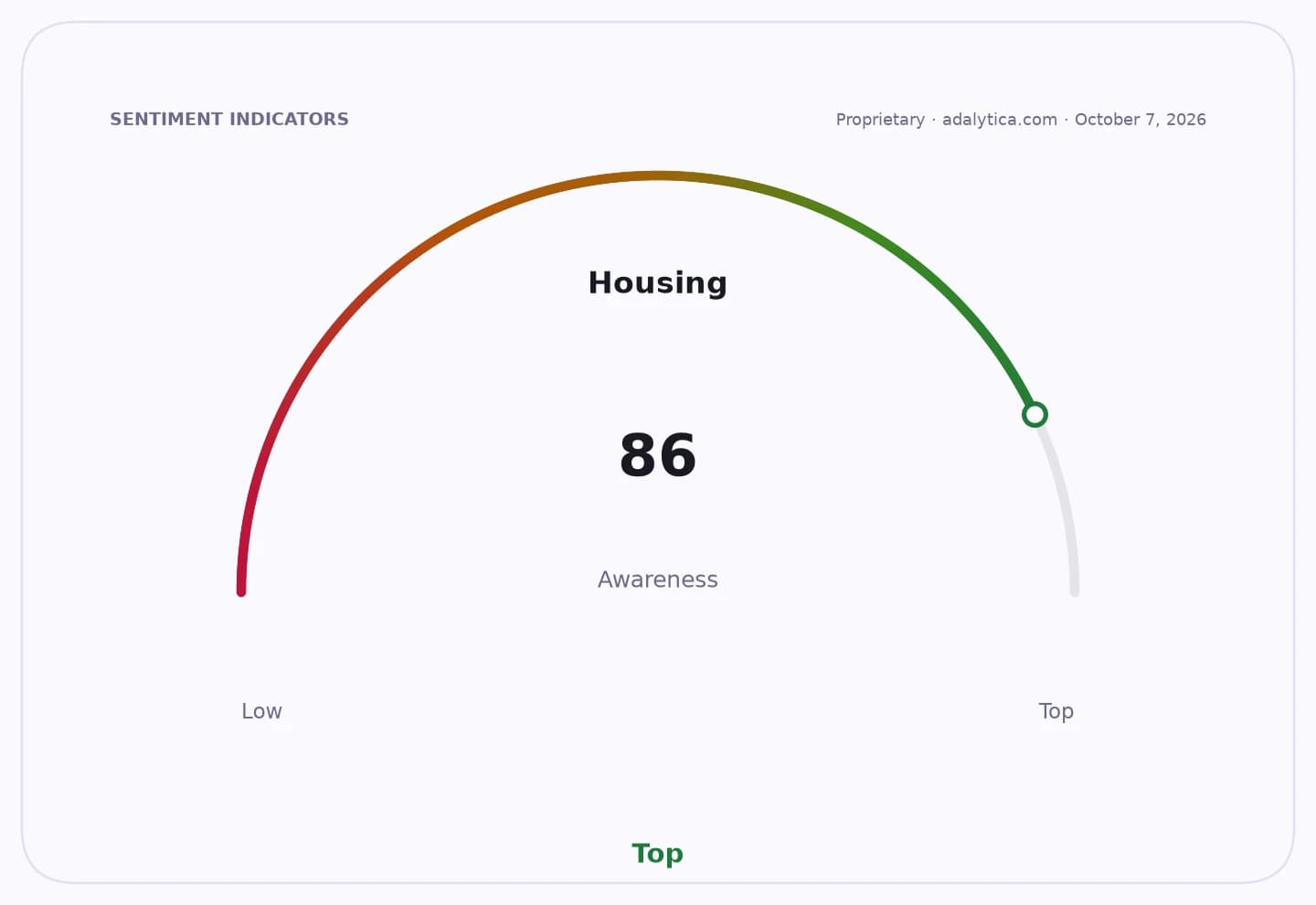
Sentiment IndicatorsⓘProprietary · adalytica.com · October 8, 2026
This is a snapshot — live sentiment, awareness and momentum for 130+ markets update continuously in the dashboard.Open AlphaPulse
The debate matters because housing is one of the most interest-rate-sensitive parts of the economy. When credit limits rise, so does the potential for additional demand in the property market, especially in urban areas where prices are higher and the gap between income and home values is widest. That can be supportive for developers, real estate agents and related banks in the near term. But if borrowers are pushed toward larger commitments, the policy can amplify future repayment stress and reduce financial resilience, particularly if household income growth fails to keep pace.
That is why the issue resonates beyond Malaysia’s public housing scheme. Globally, homebuyers are still navigating an affordability squeeze even as labor markets remain comparatively steady. The U.S. unemployment rate, for example, has held around 4.1% to 4.2%, suggesting jobs are available, but that does not mean housing has become accessible. In markets like Malaysia, where policy support can widen borrowing capacity, the real test is whether the move translates into sustainable ownership or merely inflates debt service ratios.
Investors should read this as a second-order housing signal. The immediate beneficiaries are property developers with exposure to the mass and mid-income segments, mortgage-related financial institutions and contractors tied to residential demand. The losers are households that confuse a larger approved loan with genuine affordability, and any lender exposed to a softer credit cycle later on. From a portfolio standpoint, the best opportunities usually lie not in the borrowers taking on more debt, but in the companies that collect fees, build homes and supply the infrastructure around them.
The market will now watch whether the higher LPPSA cap translates into better take-up for homes above the previous limit, and whether policymakers pair it with tighter affordability discipline. If wages, pricing and repayment safeguards do not improve alongside the larger loan ceiling, the new policy could end up widening the debt burden more than the homeownership rate. For investors, the takeaway is simple: this is a housing-demand catalyst, but it is also a warning that credit expansion without affordability gains can become a future drag.
| Entity | Gains | Losses |
|---|---|---|
| LPPSA borrowers | ▲Higher purchasing power | ▼Bigger debt burden |
| Malaysian property developers | ▲Stronger home demand | ▼Risk of softer future sales |
| Banks and mortgage lenders | ▲More loan volume | ▼Higher credit risk later |
| Homebuyers with tight budgets | ▲Access to pricier homes | ▼Lower affordability safety margin |