JPMorgan Chase is cutting 1 percentage point off mortgage rates for some business customers, a move that underscores how elevated borrowing costs are reshaping the housing market and forcing lenders to compete more aggressively for a shrinking pool of qualified borrowers.
JPMorgan cuts mortgage rates for some business customers
The offer lands as US mortgage rates remain near multiyear highs, with the average 30-year mortgage above 7% and five-year fixed rates around 6%, a level that has deepened affordability problems for households and slowed activity across home lending. For JPMorgan, the discount is less about broad market share and more about selectively defending relationships with commercial clients who may also be banked elsewhere on deposits, treasury services or small-business lending.
Sentiment IndicatorsⓘProprietary · adalytica.com · October 7, 2026
This is a snapshot — live sentiment, awareness and momentum for 130+ markets update continuously in the dashboard.Open AlphaPulse
The economics are straightforward: when mortgage rates rise this far, purchase demand weakens, refinance volumes collapse and lenders lean harder on relationship pricing to protect origination pipelines. Banks with large balance sheets can afford to trade margin for customer retention, especially when mortgage lending is a gateway to more profitable products. JPMorgan’s latest 10-Q showed home lending still contributing meaningful revenue, but mortgage fee income is only one part of a much broader consumer franchise, meaning it can use targeted discounts without making housing finance a core profit engine.
For investors, the key question is whether the promotion is a sign of competitive pressure or a manageable tactical move. The bull case is that JPMorgan is using its scale, funding advantage and cross-sell ability to deepen client ties while limiting credit risk in a cooling housing market. The bear case is that the offer highlights how weak mortgage demand has become, and how lenders may need to accept thinner spreads to keep production volumes from sliding further.
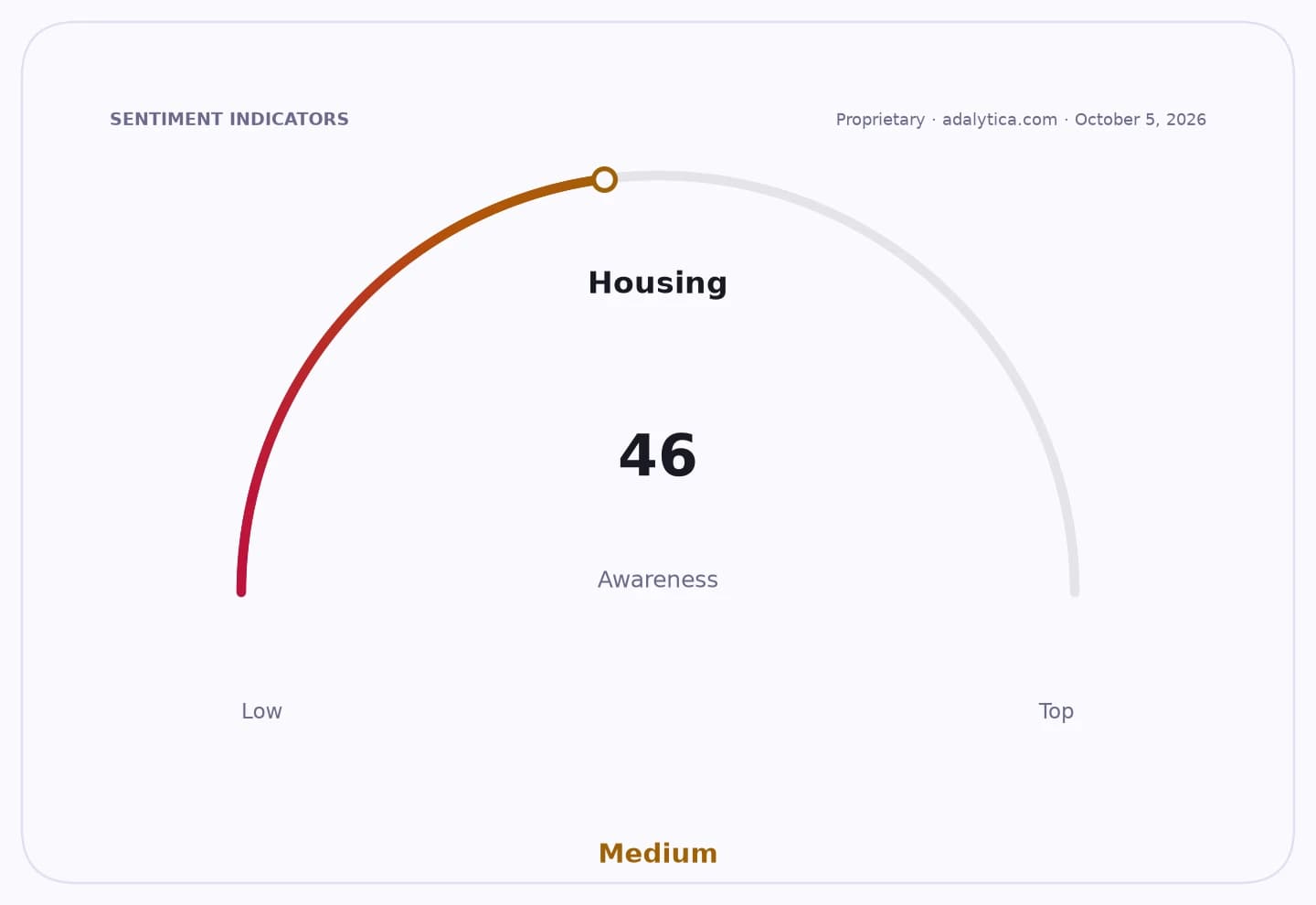
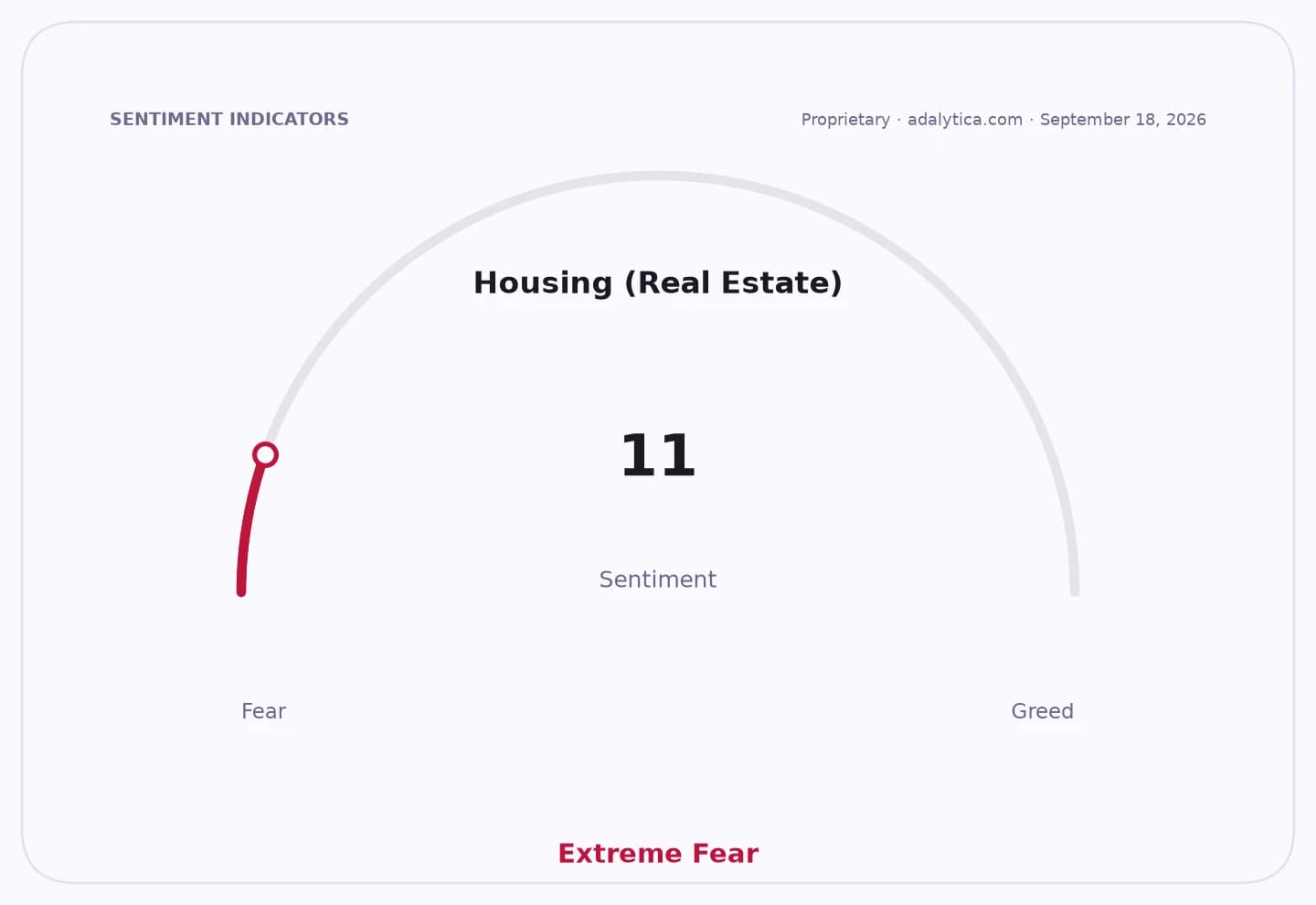
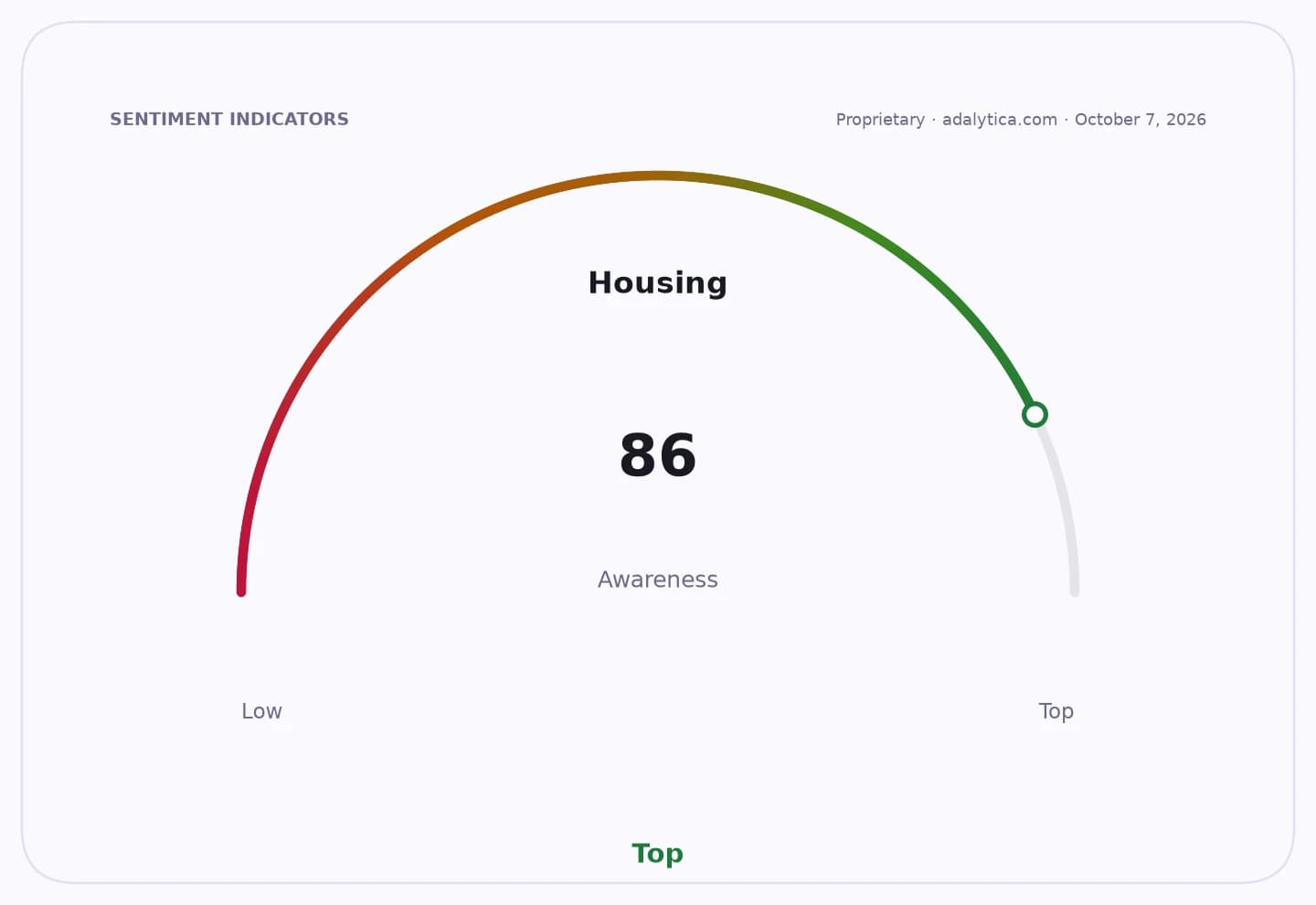
The move also fits a broader policy and market backdrop in which housing stress is becoming politically and financially harder to ignore. Adalytica’s Housing and Rent Inflation Sentiment gauge is at 96, in “Extreme Greed,” suggesting intense attention on housing costs even as rate relief remains elusive. That combination of high rates, tight affordability and aggressive pricing from lenders points to a housing market that is still constrained rather than recovering.
For JPMorgan, the immediate benefit is customer retention; for borrowers, any discount is welcome but does little to change the larger rate environment. Unless long-term funding costs fall materially, mortgage promotions are likely to remain targeted, and the main winners will be large banks able to subsidize lending while harvesting broader client relationships.
| Entity | Gains | Losses |
|---|---|---|
| JPMorgan Chase | ▲Customer retention | ▼Mortgage margin |
| Business borrowers | ▲Lower borrowing costs | ▼Limited relief |
| Rival lenders | ▲— | ▼Pricing pressure |
| Housing market | ▲Some purchase support | ▼Affordability remains strained |