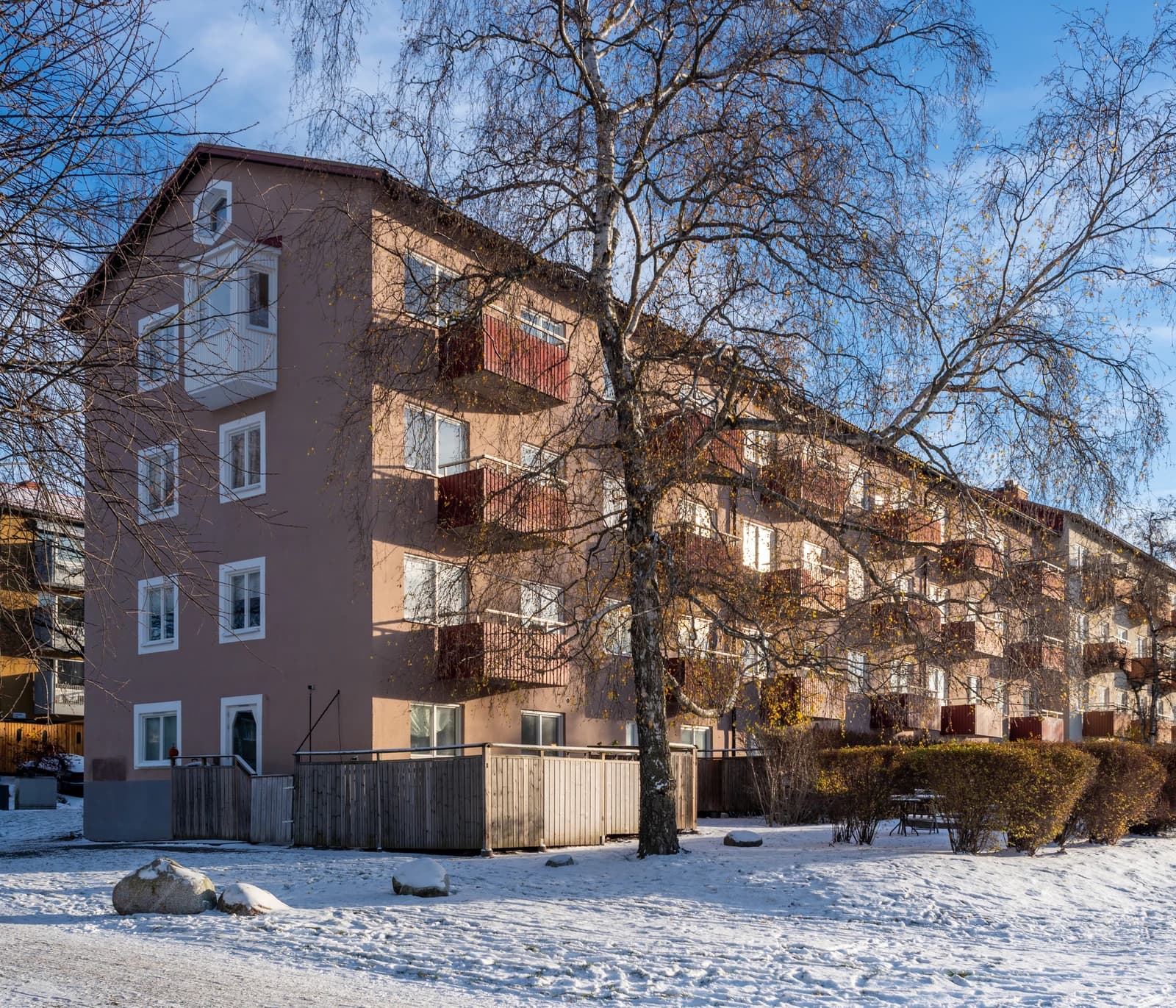
A BILD housing-cost calculator is underscoring the same problem that has squeezed buyers across Germany and much of Europe: home prices have surged so far that ownership is becoming a question of financing, not aspiration.
German housing prices and affordability squeeze buyers
The paper’s framing lands as affordability remains the central constraint on the housing market. German residential property prices jumped 94% between 2010 and 2022, according to the Federal Statistical Office, a rise that has outpaced wage growth for many households and forced buyers to lean on larger mortgages, longer maturities and higher monthly payments.
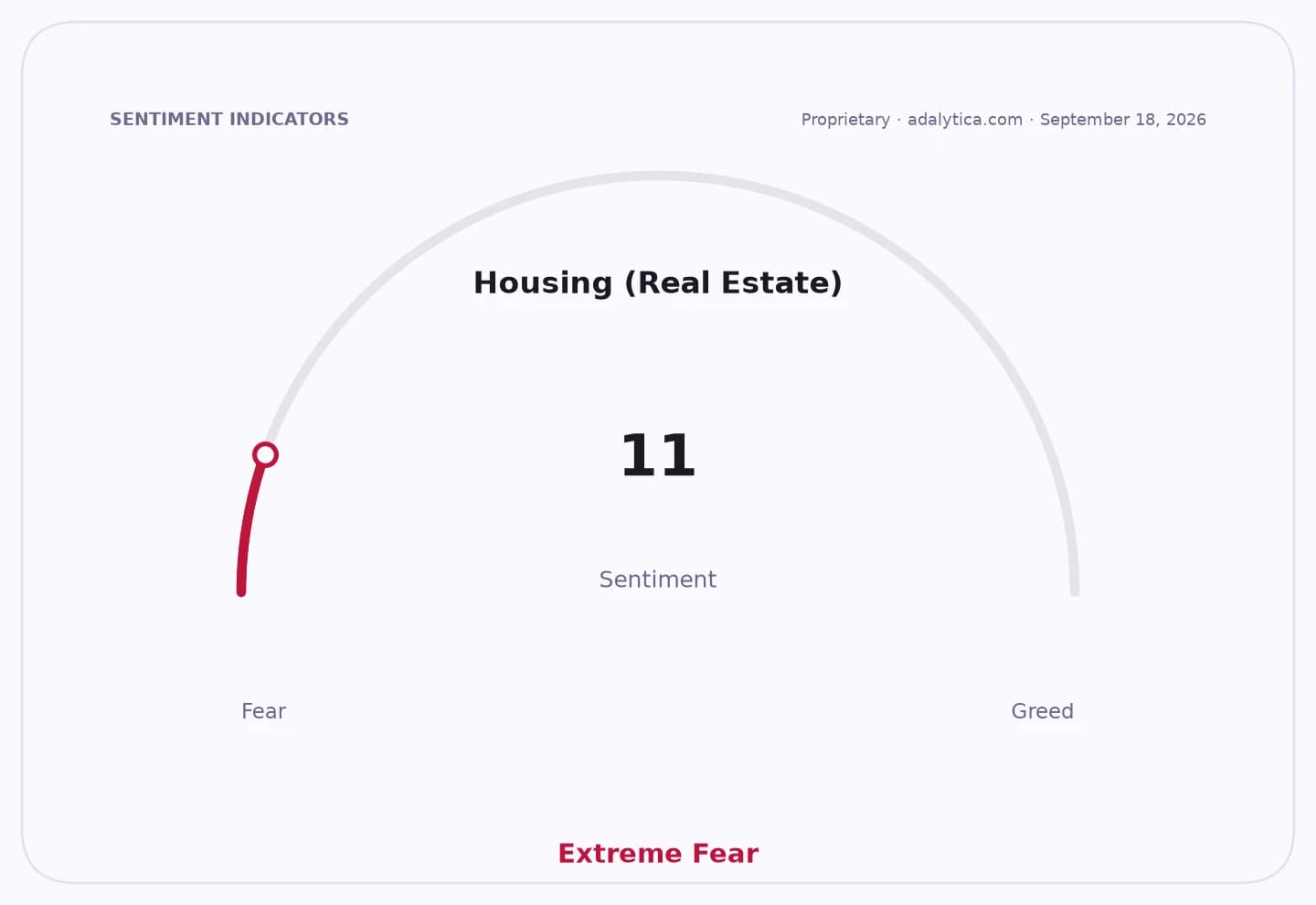
Sentiment IndicatorsⓘProprietary · adalytica.com · September 18, 2026
This is a snapshot — live sentiment, awareness and momentum for 130+ markets update continuously in the dashboard.Open AlphaPulse
That matters economically because housing is both a consumer balance-sheet issue and a drag on mobility. When households cannot afford to buy, they stay in rental markets longer, delay family formation and cut spending elsewhere to cover shelter costs, while developers and lenders face a smaller pool of qualified buyers.
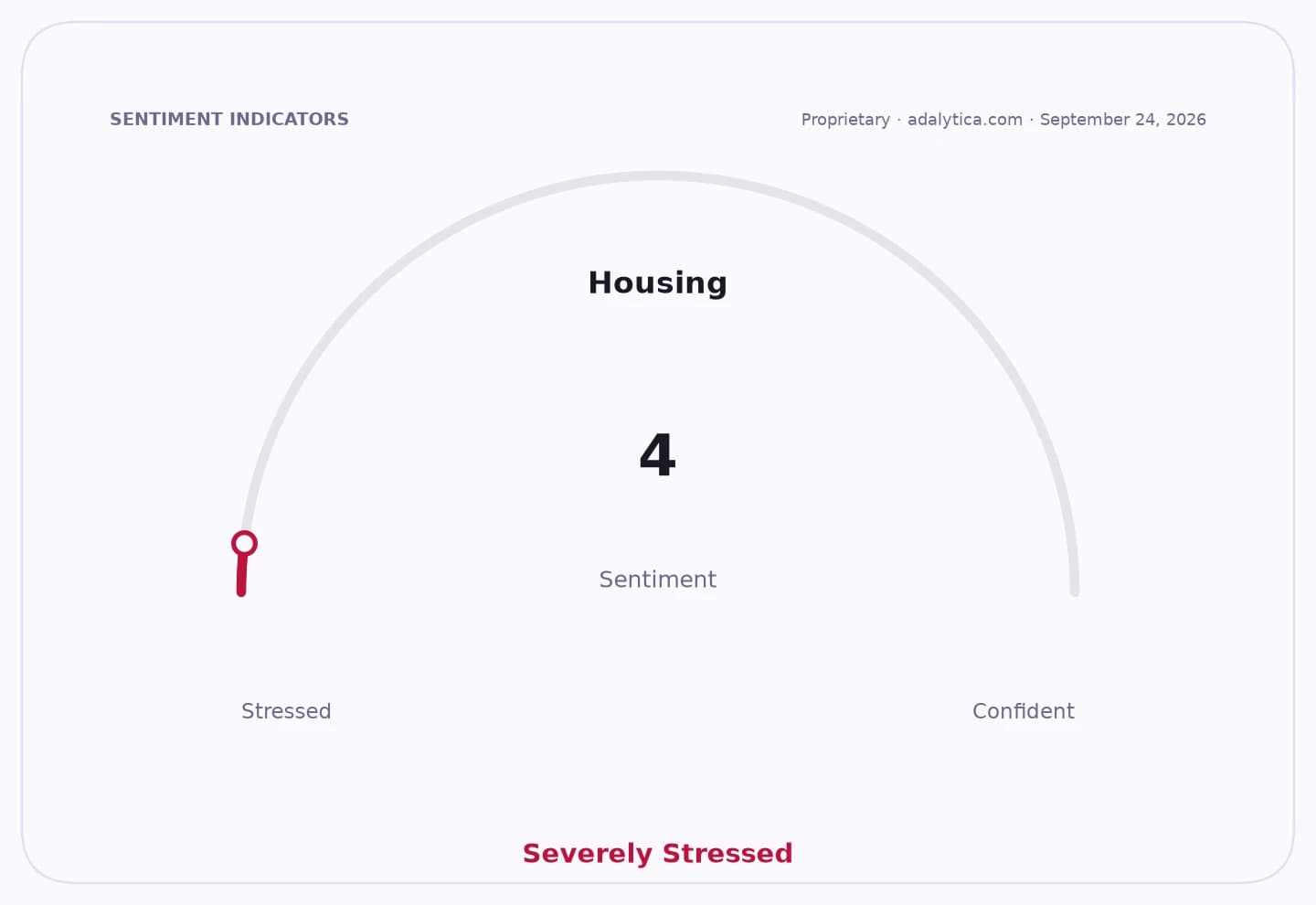
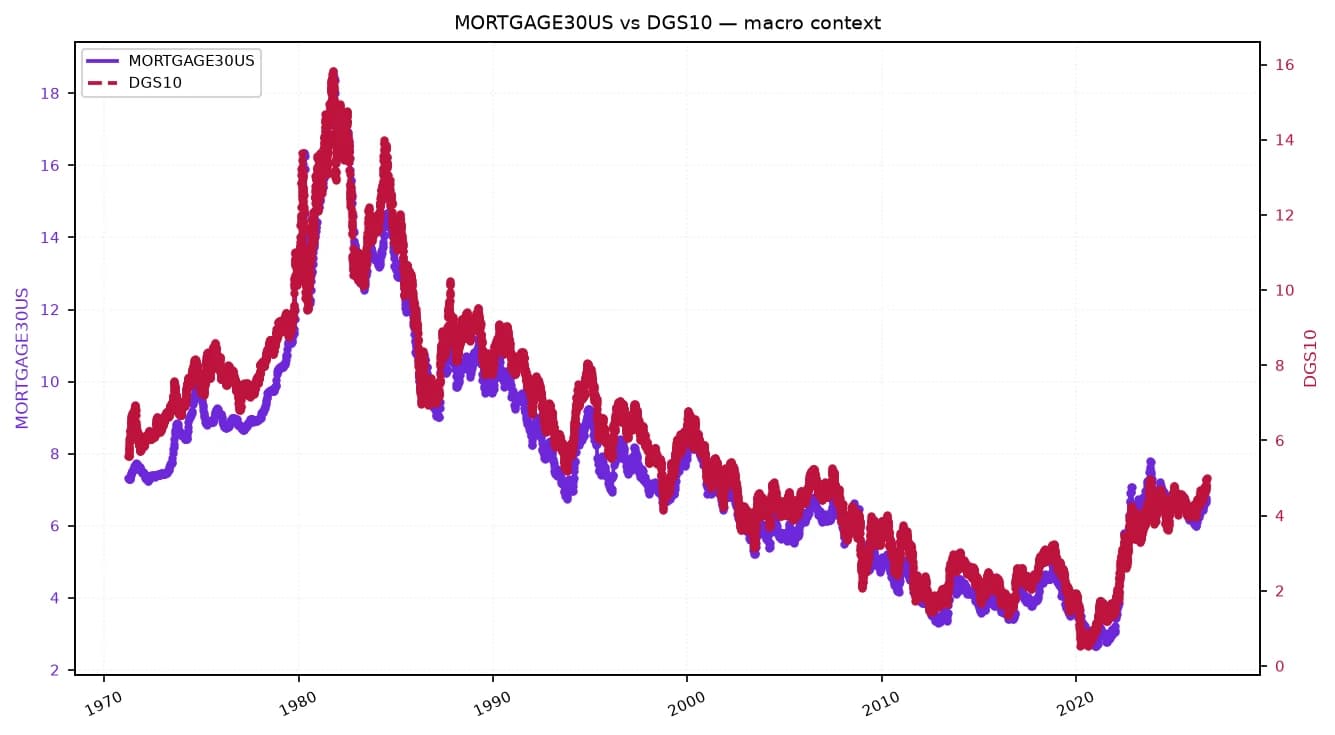
The crunch comes as financing conditions remain tight. In the U.S., the 10-year Treasury yield was recently around 5%, while bond and homebuilder funds have shown the strain of higher rates and affordability pressure, with the iShares 20+ Year Treasury Bond ETF near $81.25 and the SPDR S&P Homebuilders ETF at about $96.34. Standard technical indicators on XHB show the ETF well below both its 50-day and 200-day moving averages, while Adalytica’s Housing Fear & Greed Index sits at 11, in “Extreme Fear,” pointing to persistent caution in housing-related assets.
For investors, that mix favors cash-flow discipline over growth assumptions. Homebuilders can still protect margins through incentives and product mix, but the combination of elevated borrowing costs and weak sentiment keeps pressure on sales volumes, land valuation and inventory turnover. Any easing in rates would likely provide the first real relief, but for now the affordability gap remains the dominant story.
The comparison is stark: buyers and renters are absorbing the cost, while builders and lenders must navigate slower demand and tighter credit. The next catalyst is whether mortgage rates ease enough to unlock demand or whether price gains continue to outrun household incomes.
| Entity | Gains | Losses |
|---|---|---|
| Homeowners with existing property | ▲Higher paper wealth | ▼New buyers priced out |
| Renters | ▲More time before buying | ▼Higher long-term housing burden |
| Homebuilders | ▲Support from incentives and scarcity | ▼Slower sales and margin pressure |
| Lenders/financiers | ▲Demand for larger mortgages | ▼Fewer qualified borrowers |