The biggest mistake in buying a house on installments is focusing only on the monthly payment and ignoring the full long-term burden of debt. That matters now because mortgage costs remain elevated: the 30-year U.S. mortgage rate is around 6.95%, the 10-year Treasury yield sits near 5.0%, and U.S. home prices are still hovering around record territory, according to the data provided.
U.S. Mortgage Rates Near 7% Raise Housing Costs
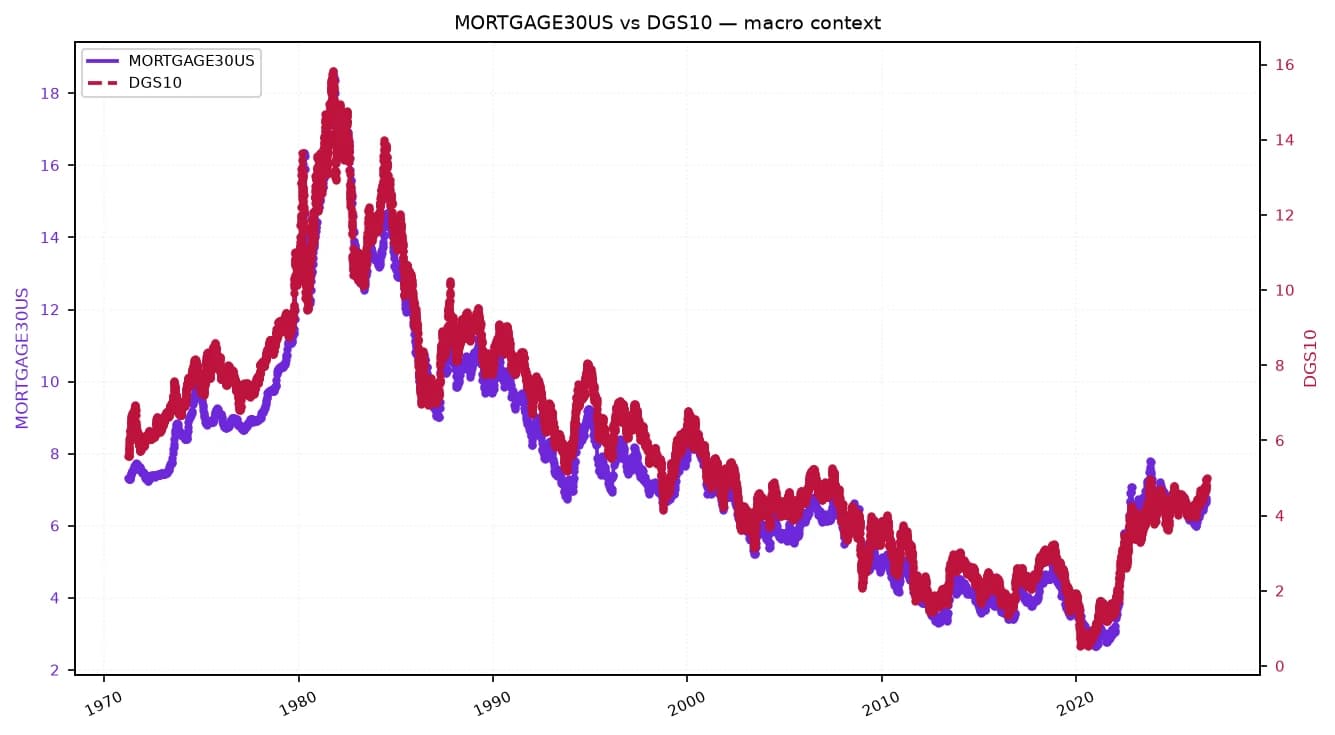
For households, that combination can turn what looks like affordable financing into a strain that lasts for decades. A lower down payment may get a buyer into a home faster, but it also leaves less room to absorb surprises. That is why advisers commonly urge buyers to have savings equal to at least 30% of the property value, with 50% ideal if possible. In a high-rate environment, that cushion is not just prudent — it is often what keeps a family from becoming house-rich and cash-poor.
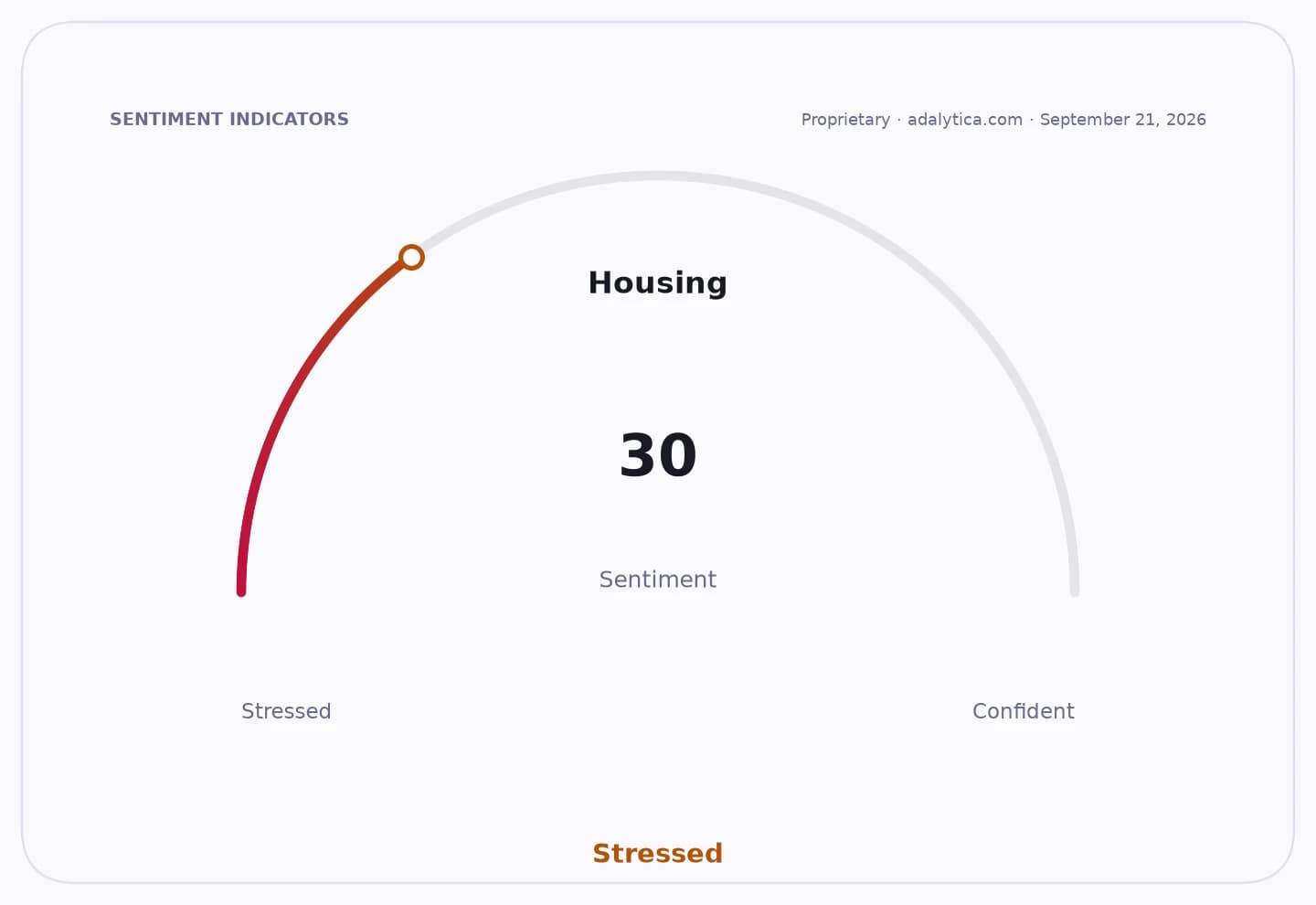
Sentiment IndicatorsⓘProprietary · adalytica.com · September 17, 2026
This is a snapshot — live sentiment, awareness and momentum for 130+ markets update continuously in the dashboard.Open AlphaPulse
The second mistake is borrowing too close to the bank’s maximum offer. When rates are high and financing is tight, lenders may still approve a larger loan than a household can comfortably carry. But a mortgage is only one part of the budget. Buyers also need to account for food, school fees, insurance, healthcare and unexpected expenses. If income is volatile, the risk only rises. The core question is not whether a bank will lend, but whether the borrower can keep paying if income dips or living costs rise.
That caution is especially relevant because the broader housing-finance backdrop is shifting. Governments and banks in some markets are trying to revive mortgage lending by lowering rates and pushing credit through new programs, but consumer-protection authorities are also warning about the growing popularity of installment-style financing. The push to expand access to credit can help support home sales and construction, yet it also increases the danger that buyers underestimate the real cost of debt.
The third issue is interest rates themselves. Buyers often get distracted by an introductory teaser rate and fail to ask what happens after the promotional period ends. In a loan with a long term, a smaller monthly installment may look attractive, but the total interest bill can be much higher over time. Investors in housing-related stocks know that detail matters: when rates rise, affordability weakens, financing demand cools, and homebuilders and mortgage lenders feel it. The recent weakness in housing ETFs such as XHB and ITB underscores how quickly sentiment can change when borrowing costs stay sticky.
The fourth mistake is signing paperwork without reading the contract carefully. A mortgage purchase agreement and a credit agreement both carry real consequences: payment schedules, penalty clauses, early repayment fees and default triggers can all become expensive if buyers overlook them. For long-term investors, that is a useful reminder that financial returns are often shaped less by the headline price than by the fine print.
The fifth and final mistake is skipping the legal check on the home itself. Financing does not make a bad property a good one. Buyers still need to verify ownership, land-use rights, liens, disputes and, in the case of new developments, project legality and delivery timelines. That is especially important for off-plan homes, where missed deadlines and weak developer execution can leave families paying before they have received the property.
For investors, the broader takeaway is straightforward: housing demand can be stimulated by lower rates and easier credit, but the quality of that demand depends on borrowers’ balance sheets, not just bank approvals. In a market where mortgage rates remain elevated and affordability is still under pressure, the winners are households and lenders that respect risk; the losers are buyers who confuse access to credit with true affordability. If you are considering a house purchase in installments, the best move is to treat it like a decades-long commitment, not a monthly payment exercise.
| Entity | Gains | Losses |
|---|---|---|
| Disciplined homebuyers | ▲Lower default risk | ▼Missed speculative urgency |
| Overextended borrowers | ▲Fast access to housing | ▼Debt stress and higher lifetime costs |
| Banks and lenders | ▲Loan growth from demand | ▼Credit losses if underwriting is loose |
| Homebuilders and housing ETFs | ▲Support from easier credit | ▼Slower sales if rates stay high |