The Quang Thanh residential project in Vietnam’s Thanh Hoa province is set to finish six months ahead of schedule even as its developer and senior local officials are pulled into a sweeping corruption case over land auctions, tax evasion and abuse of power.
Vietnam Thanh Hoa Quang Thanh project faces corruption probe
That combination matters because the case goes well beyond a single businessman or project. It has exposed how tightly land development, local government decisions and political influence are intertwined in one of Vietnam’s fastest-growing provincial property markets, while also raising the stakes for investors watching whether enforcement will disrupt legitimate construction, slow approvals or force a repricing of project risk.
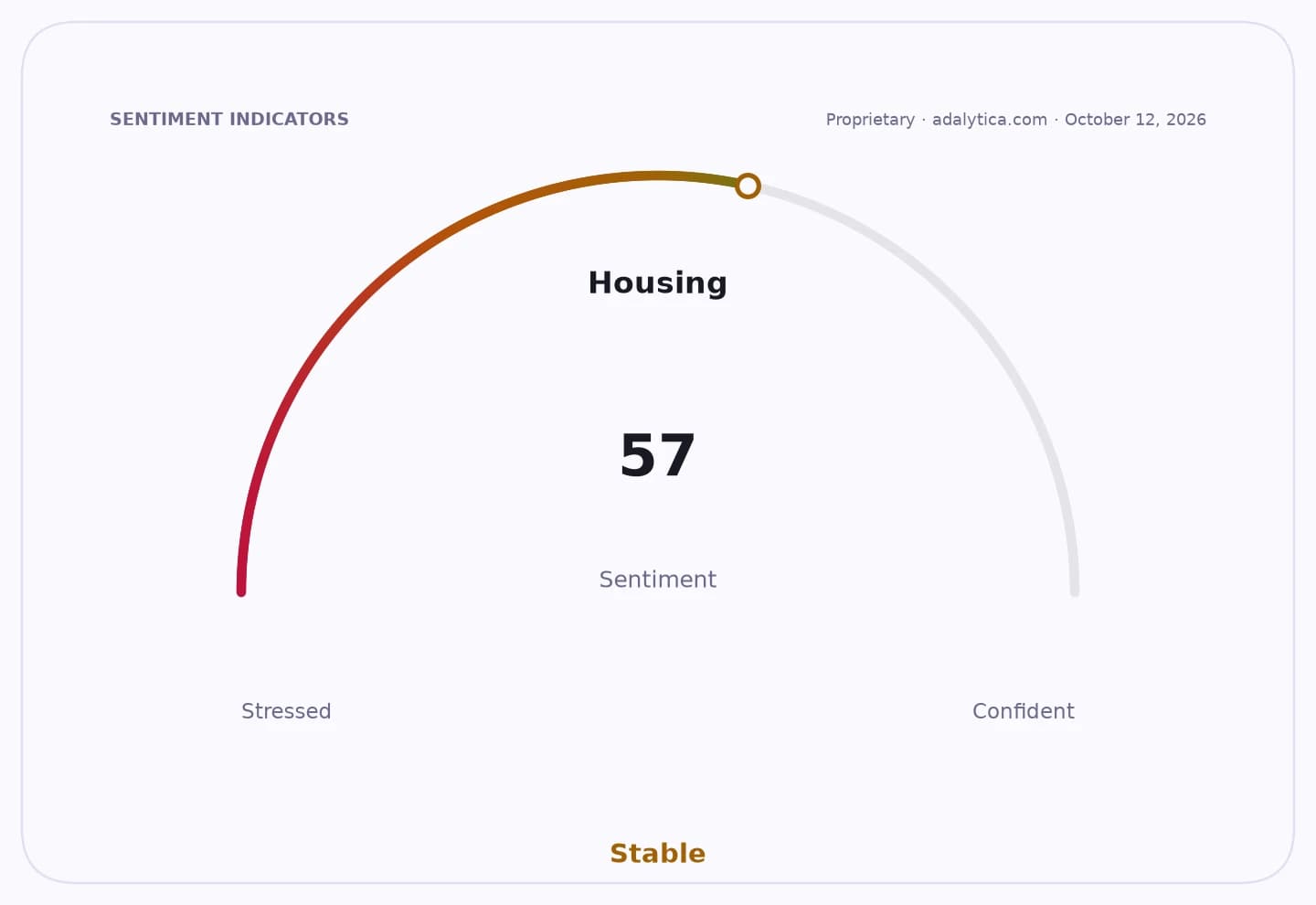
Sentiment IndicatorsⓘProprietary · adalytica.com · October 12, 2026
This is a snapshot — live sentiment, awareness and momentum for 130+ markets update continuously in the dashboard.Open AlphaPulse
Investigators say the project’s developer, Dong A Real Estate Group, won the right in July 2024 to use nearly 20,000 square metres of land for 255 billion dong, or about $10 million, for a scheme that includes 213 lots. Authorities allege the auction price was below market value, causing more than 7.2 billion dong in losses to the state, and have proposed charges against 22 defendants in the broader case.
But the same investigative conclusion also cites a Thanh Hoa provincial response saying the project belongs to a list of land acquisitions for socio-economic development under Vietnam’s 2013 Land Law and that the developer is proceeding on schedule, with completion now expected in June 2027, earlier than the original approval timeline. Dong A said the project has not been ordered suspended or reclaimed by authorities and that it is still allocating capital and labour to finish construction 3-6 months ahead of plan.
For the local economy, the message is double-edged. On the one hand, Thanh Hoa is trying to protect a large residential development in a strategic location beside a bypass of National Highway 1A, near other commercial projects and planned urban infrastructure. Completing it would add housing stock, urban services and construction employment, and could support land values around the area if demand holds up.
On the other hand, the case reinforces the risk premium attached to Vietnamese land deals where auction pricing, approvals and informal payments can all come under scrutiny after the fact. Investigators said former provincial party chief Do Trong Hung received 150,000 dollars from Cao Tien Doan, while former provincial chairman Do Minh Tuan received 20,000 dollars and 1.5 billion dong, allegations that, if sustained, could feed broader caution among developers and lenders about projects tied to politically exposed land allocations.
Investors in Vietnam’s property sector will read the case through three lenses. First, it suggests regulators are still willing to pursue high-level enforcement even when an ongoing project has visible economic utility. Second, it underlines that project completion does not eliminate legal overhang, especially for firms dependent on land auctions and local administrative support. Third, it may strengthen the case for larger, better-capitalised developers with cleaner balance sheets and less dependence on informal networks, while weighing on smaller players exposed to the same approval and land-pricing risks.
The broader backdrop is already fragile. Vietnam’s real estate market remains soft, with land prices in Ho Chi Minh City falling and sentiment still strained by weak liquidity and cautious buyers. Against that backdrop, Thanh Hoa’s case will be watched not just as a corruption proceeding, but as a test of whether the state can clean up the land market without choking off the projects it still wants finished.
For now, the Quang Thanh development is still being built. What happens next will matter less for one residential area than for the larger balance Vietnam is trying to strike between enforcement, housing supply and investor confidence.
| Entity | Gains | Losses |
|---|---|---|
| Thanh Hoa local economy | ▲Housing supply and jobs | ▼Reputational damage |
| Dong A Group | ▲Project completion value | ▼Legal and financing risk |
| State prosecutors | ▲Anti-corruption credibility | ▼Administrative burden |
| Property investors | ▲Clearer rule enforcement | ▼Higher project-risk premium |