Egypt kept household gas cylinder prices unchanged at 275 pounds a unit on Saturday after the Petroleum Products Automatic Pricing Committee left fuel prices steady, easing immediate pressure on households even as global energy markets remain volatile.
Egypt holds gas cylinder and fuel prices steady
The decision matters because bottled gas is a basic household input in a market where fuel costs feed quickly into food, transport and broader consumer inflation. By freezing the price of the 12.5-kilogram domestic cylinder at 275 pounds and the 25-kilogram commercial cylinder at 550 pounds, authorities are signaling an effort to contain pass-through to prices at a time when inflation remains a central policy concern.
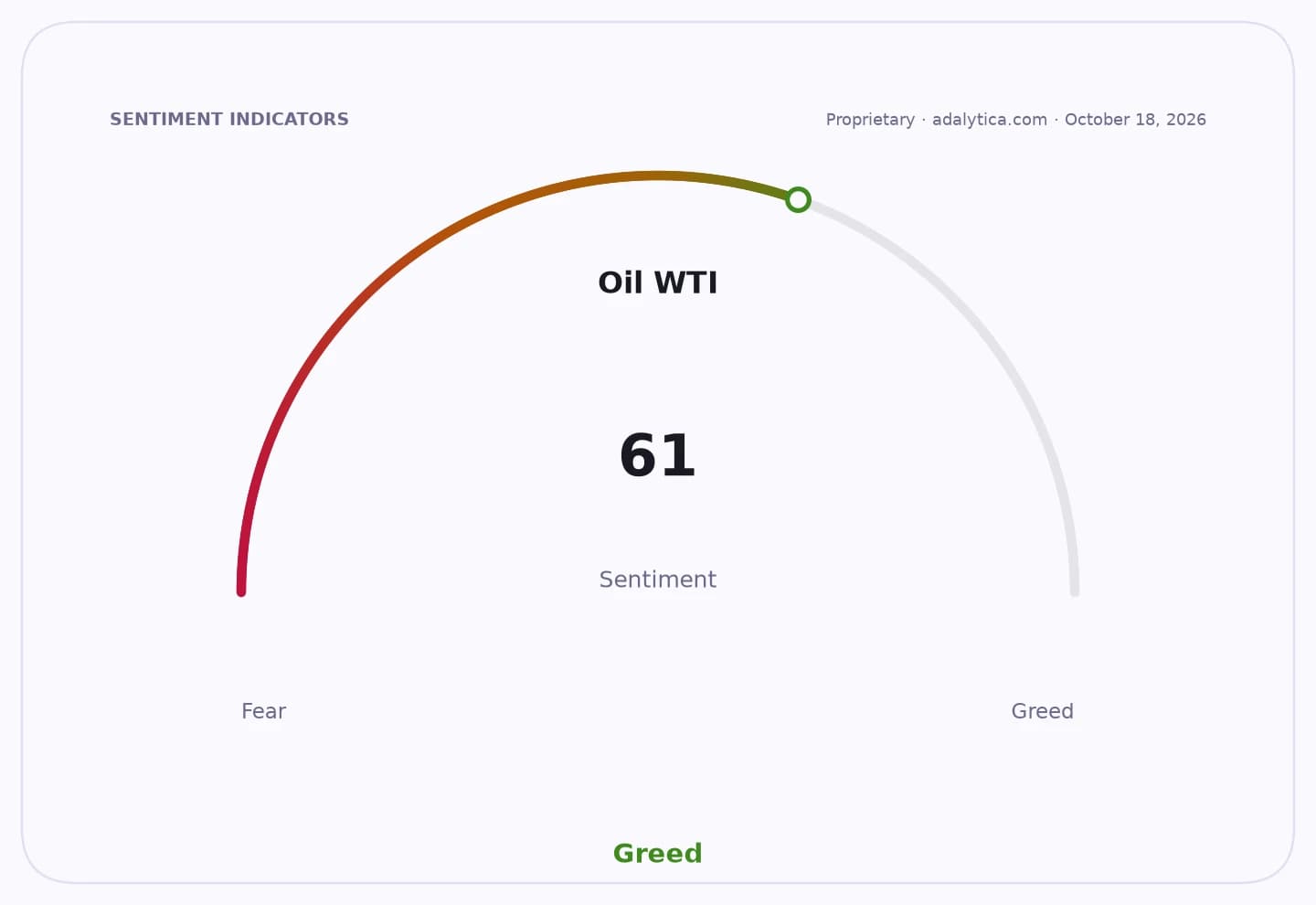
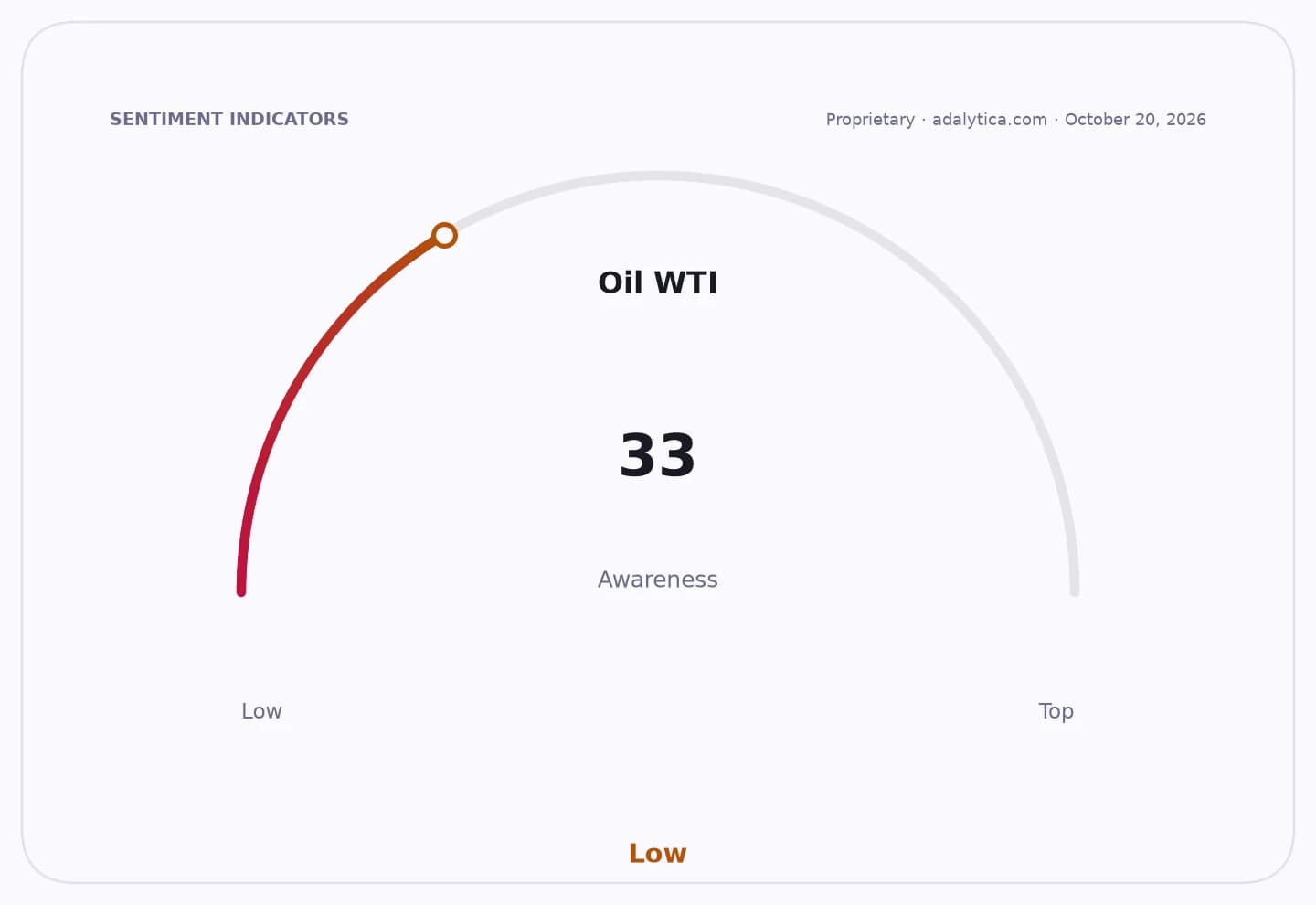
Sentiment IndicatorsⓘProprietary · adalytica.com · October 20, 2026
This is a snapshot — live sentiment, awareness and momentum for 130+ markets update continuously in the dashboard.Open AlphaPulse
The Petroleum Ministry said supply of butane gas was operating normally, with production, transport, filling and distribution continuing as usual. That point was important after reports of shortages in some governorates, which can quickly become a social and political issue if consumers fear further price rises or disrupted deliveries.
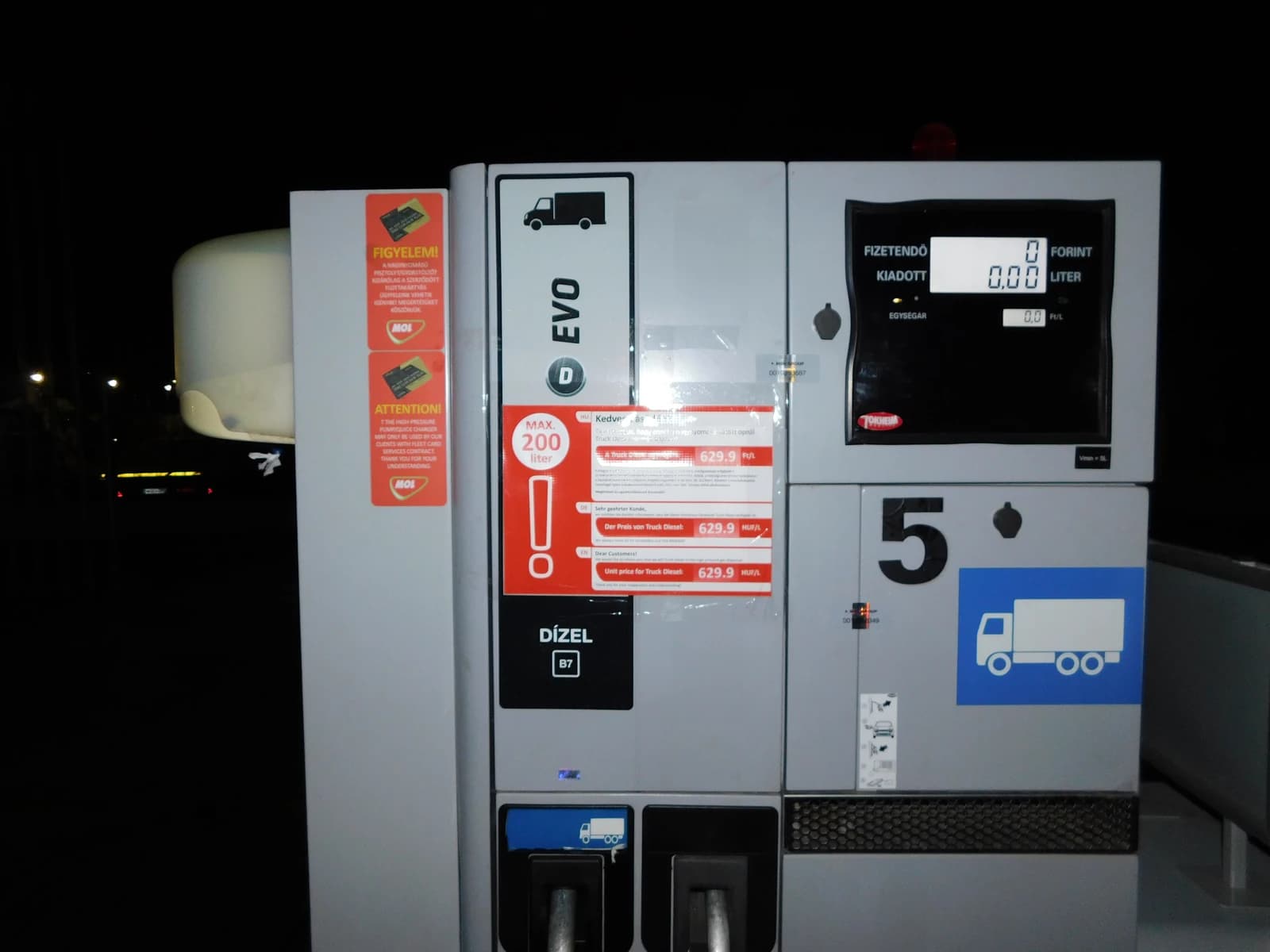
The committee’s decision also held gasoline and diesel prices at current levels, including 95-octane at 24 pounds a liter, 92-octane at 22.25 pounds, 80-octane at 20.75 pounds and diesel at 20.50 pounds. The ministry said the review reflected changes in exchange rates and Brent crude over the July-September 2026 quarter versus the previous quarter, underscoring how exposed domestic prices remain to foreign-currency moves and global oil benchmarks.
For investors and businesses, the freeze reduces near-term inflation risk and may limit pressure on consumer spending in the short run, but it does not remove the underlying cost challenge. Egypt still has to balance subsidy discipline, fiscal stability and social tolerance for higher energy prices. If crude and imported fuel costs remain elevated, the government will face renewed pressure at the next pricing review to either pass through more of the increase or absorb the hit to public finances.
The broader read-through is that Egypt is still managing energy prices administratively rather than allowing full market pricing. That supports household stability for now, but it leaves retailers, transport operators and industrial users watching the next committee decision closely.
| Entity | Gains | Losses |
|---|---|---|
| Egyptian households | ▲Near-term price stability | ▼No relief from high energy costs |
| Transport and small businesses | ▲Predictable fuel bills | ▼Continued margin pressure |
| Government / Petroleum Ministry | ▲Short-term social calm | ▼Less room if oil costs rise |
| Fuel importers / consumers | ▲Stable supply expectations | ▼Exposure to future repricing |