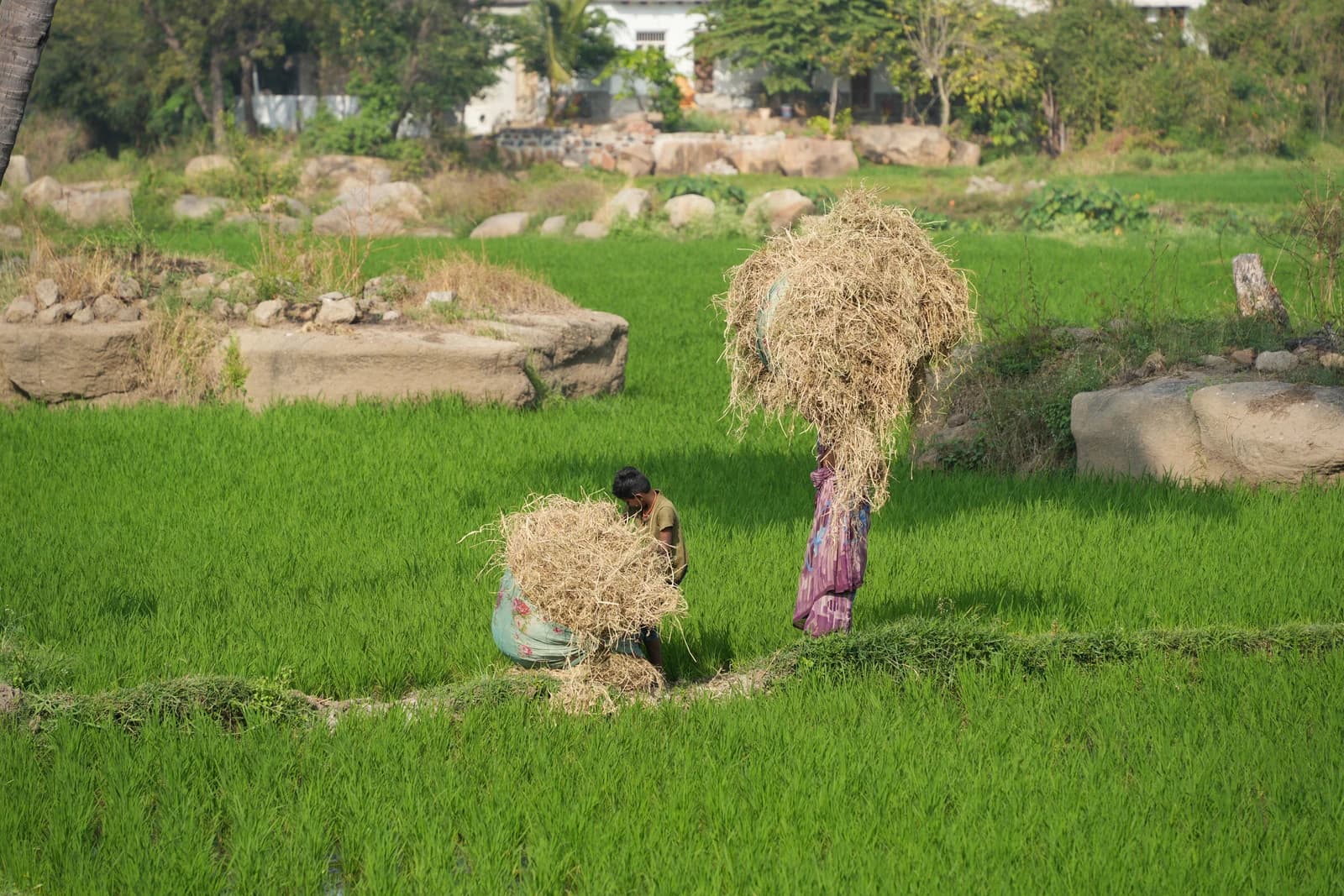
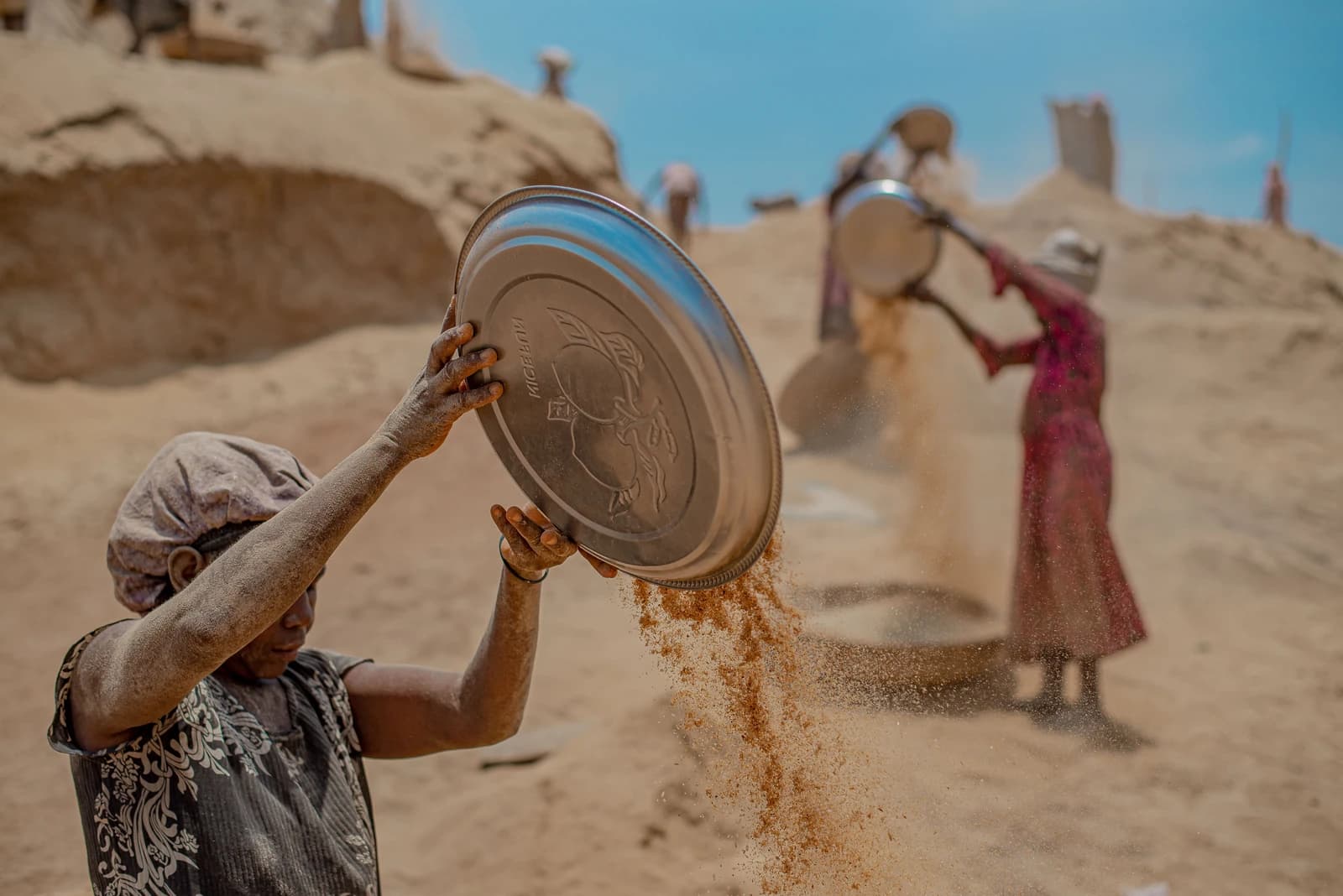
Vietnam’s push to scale low-emission rice production across the Mekong Delta is starting to look less like an environmental pilot and more like a productivity upgrade, with farmers reporting profit gains of 1.5 million to 9.3 million dong per hectare per crop as input use falls and yields improve.
Vietnam rice project boosts profits and cuts emissions
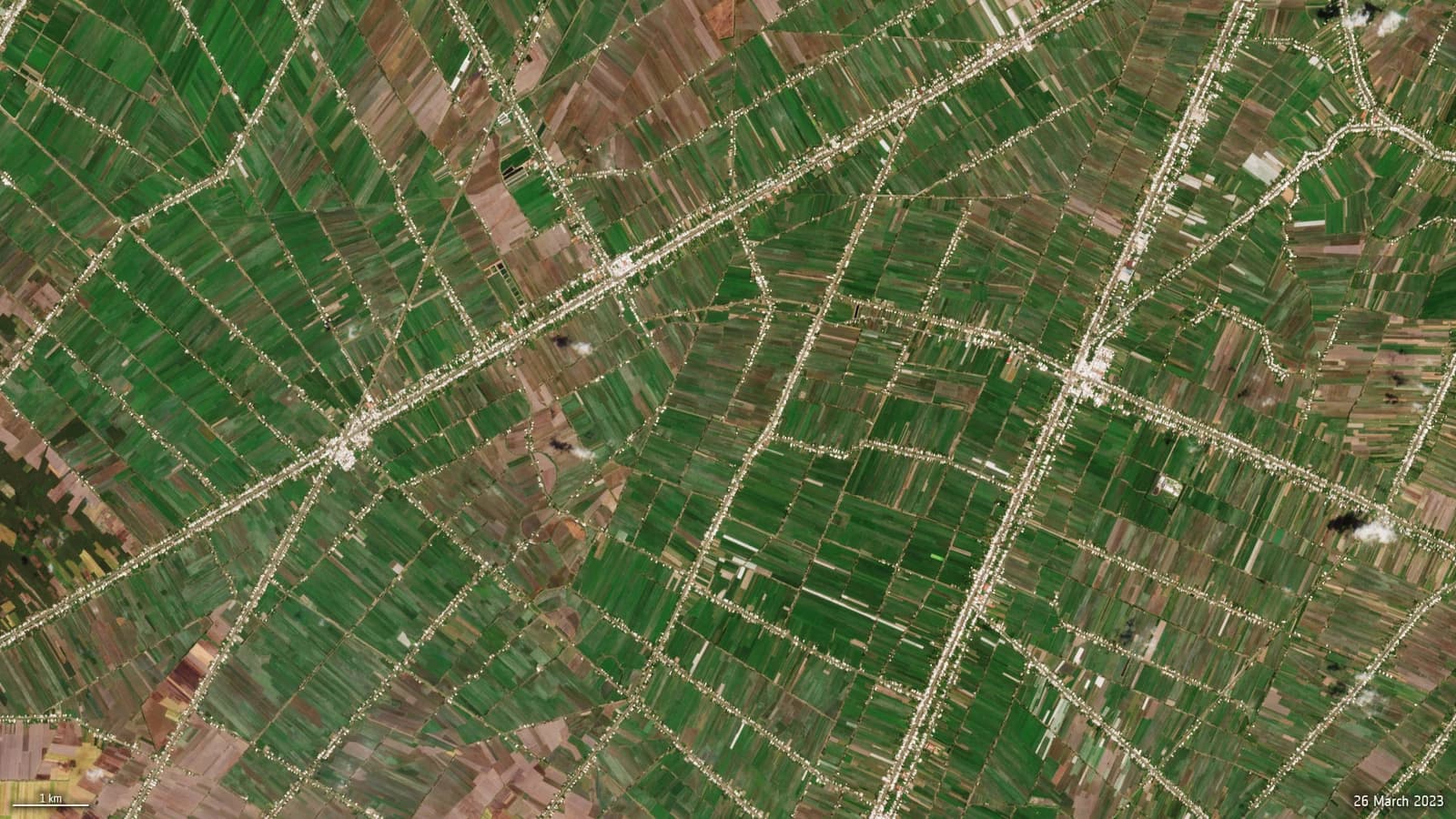
The economics matter because rice farming in the delta has long been trapped in a low-margin cycle of heavy seed use, fertilizer dependence, repeated pesticide spraying and water-intensive irrigation. The new cultivation method breaks that pattern by cutting seeding rates 30% to 50%, chemical fertilizer use 20% to 30%, pesticide sprays by two to three rounds and irrigation water 20% to 40%. That lowers production costs while also reducing methane and other greenhouse gas emissions, helping Vietnam align rice policy with climate commitments without forcing farmers to absorb the cost of decarbonization alone.
Sentiment IndicatorsⓘProprietary · adalytica.com · October 22, 2026
This is a snapshot — live sentiment, awareness and momentum for 130+ markets update continuously in the dashboard.Open AlphaPulse
The reported yield increase of 5% to 12% is important because it shows the program is not a pure austerity exercise. In agriculture, lower input use can backfire if yields fall. Here, the opposite appears to be happening: better water management, including alternating wet and dry irrigation, is lifting output even as costs decline. At one 100-hectare model in Dong Thap, profit rose by nearly 11.8 million dong per hectare, while emissions fell by almost 1 ton of CO2 equivalent per hectare per crop. The broader models cited by authorities indicate emissions reductions of 3 to 4 tons of CO2 equivalent per hectare each season, a significant figure for a crop that is central to Vietnam’s food security and export earnings.
That combination of higher margins and lower emissions is why the project has become a test case for sustainable agriculture in emerging Asia. By September 2026, more than 175,000 households had signed up for the 1 million-hectare high-quality, low-emission rice project in the Mekong Delta, with nearly 421,000 hectares already applying all or part of the sustainable process. That is close to 90% of the rollout target for the current phase, suggesting the model is moving beyond demonstration plots and into a scale that could reshape procurement, input demand and milling economics across the region.
For investors, the story is less about rice prices than about who captures value as the supply chain changes. Lower seed and fertilizer intensity could cap volume growth for input suppliers over time, while improving farm economics may support more stable paddy supply for exporters and processors. The upside case is that higher-quality rice and lower production costs improve Vietnam’s competitiveness in premium export markets. The downside is execution: adoption depends on farmer training, water coordination and access to technical support, and benefits will vary by locality, weather and market prices.
Australia’s continued support through the TRVC program underscores the geopolitical and commercial dimension. Foreign funding is helping Vietnam de-risk a transition that serves climate, productivity and export goals at once. For policymakers, the pilot offers a template for scaling climate adaptation without cutting farm incomes. For investors in agribusiness and food supply chains, it points to a longer-term shift toward efficiency, traceability and lower-emission production that could reward operators able to adapt fastest.
| Entity | Gains | Losses |
|---|---|---|
| Mekong Delta farmers | ▲Higher profit margins | ▼Lower input dependence |
| Vietnam rice exporters | ▲Better quality supply | ▼Traditional low-value production |
| Input suppliers | ▲Scale in advisory services | ▼Volume from seed/fertilizer use |
| Climate-aligned financiers | ▲Bankable transition story | ▼Less room for business-as-usual farming |