Indonesia’s decision to stop rice imports in 2025 is being cast by its food minister as proof that Jakarta’s “people’s economy” agenda is starting to work, a shift that matters because it points to stronger domestic farm incomes, tighter reliance on overseas suppliers and a potentially bigger policy pivot across Southeast Asia’s food markets.
Indonesia rice import halt boosts farm policy
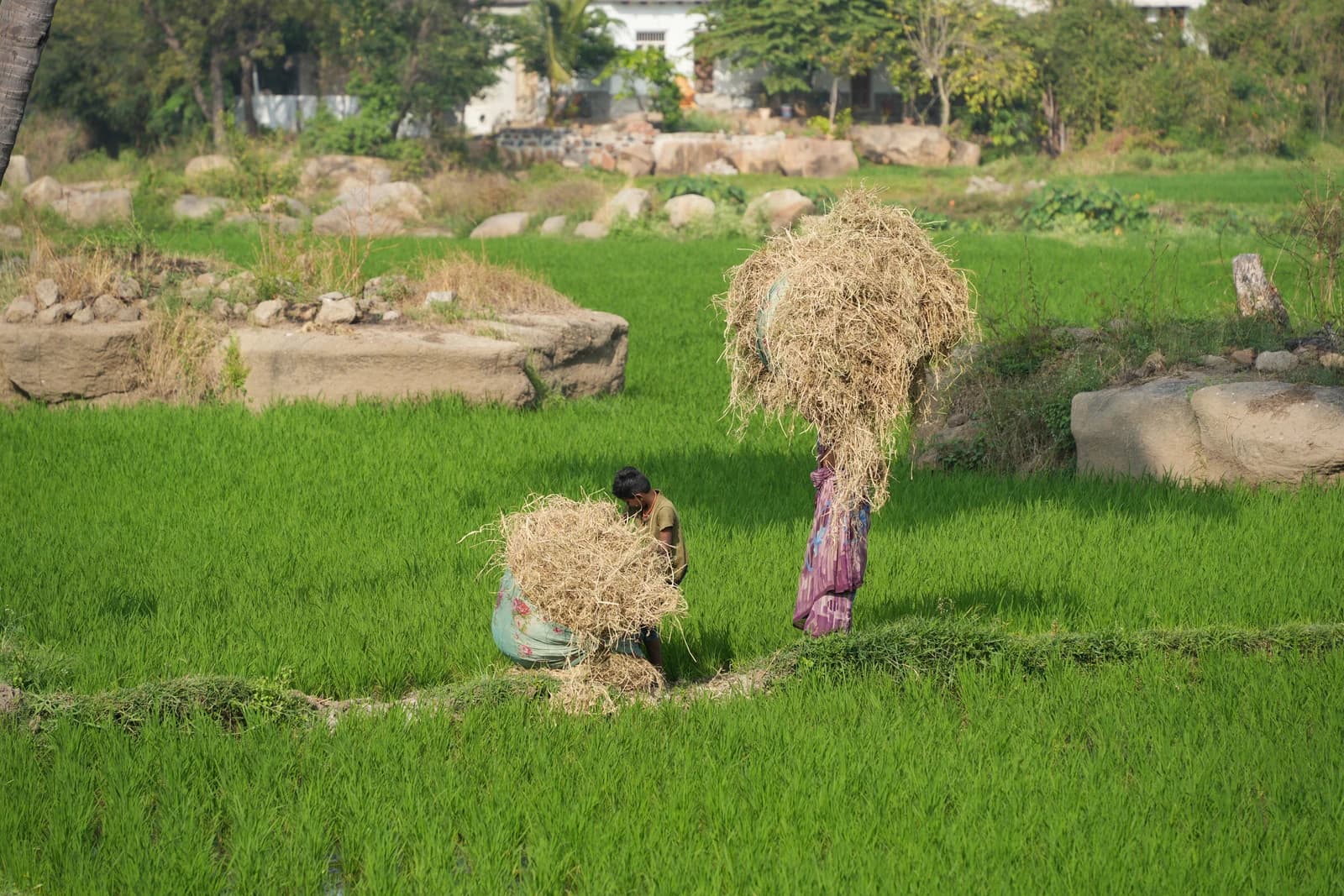
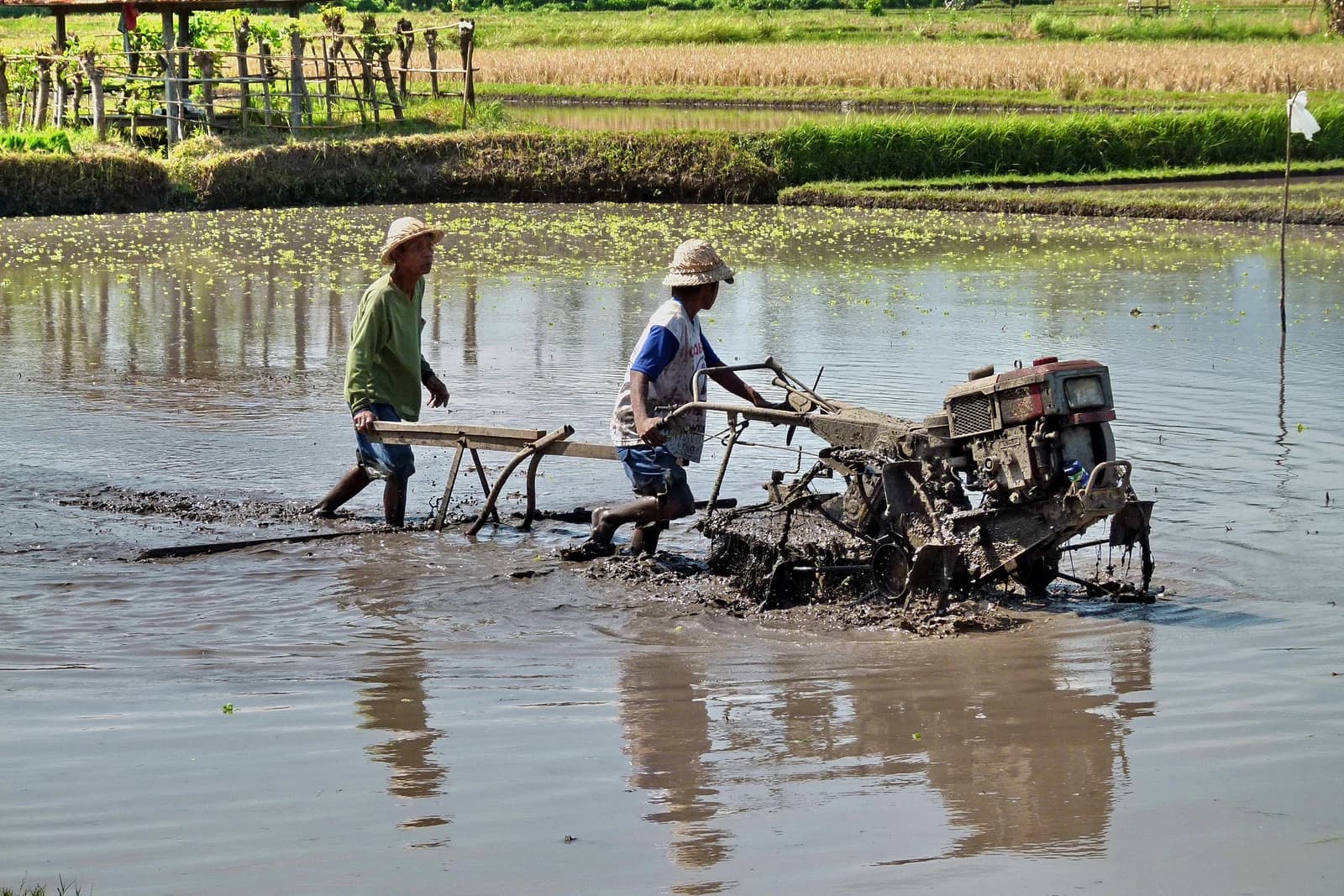
Coordinating Minister for Food Zulkifli Hasan said the country imported 4.5 million tons of rice in 2024, but no longer needed imports in 2025 and now has a rice surplus of about 4.2 million tons. He said the change, along with stronger corn production, is showing up in Indonesia’s farm sector, where the agricultural exchange rate rose to 131 in 2025 from 116 a year earlier, an indication of better purchasing power for farmers.
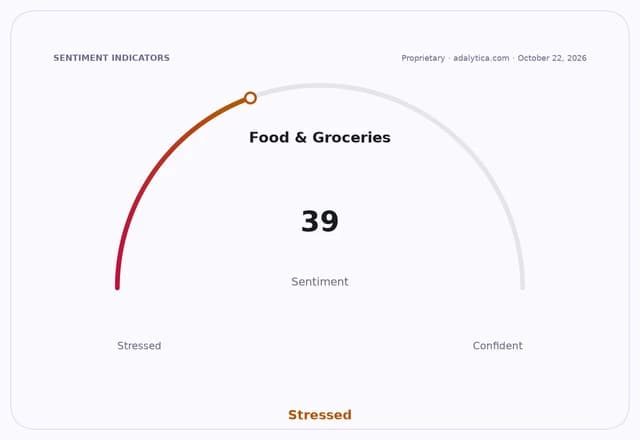
For investors, the economic significance is twofold. First, a sustained move away from imports would keep more of Indonesia’s food demand in the domestic economy, supporting rural incomes and potentially reducing pressure on the government to spend foreign exchange on staple-food purchases. Second, a healthier farm sector can ripple through input suppliers, distributors and food processors, while also shaping regional grain trade if Indonesia remains out of the rice import market for longer than expected.
The policy message is clear: Jakarta wants self-sufficiency to be judged not only by warehouses and balance sheets, but by whether farmers earn more from the country’s 160 million people tied to agriculture, fisheries and livestock. Zulkifli framed rice and corn as the first evidence of that model, saying food independence is both a matter of national dignity and a way to redirect the benefits of a large consumer market toward domestic producers rather than foreign exporters.
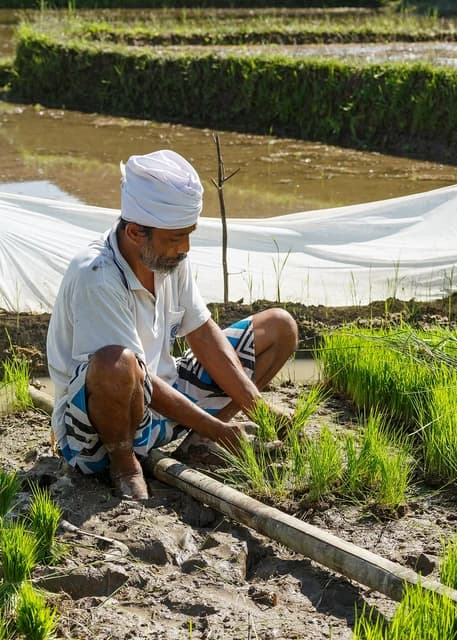
That has implications beyond Indonesia. Rice exporters in Asia, including Vietnam, face a less reliable buyer if Indonesian demand stays subdued. The benchmark rice market has already been firming, with Vietnamese export prices climbing to $440-$450 a ton, their highest since late August, on expectations of recovering import demand and broader regional tightening. If Indonesia’s import pause proves durable, it would remove one of the region’s largest demand pools and make pricing more sensitive to weather, policy and inventory shifts elsewhere.
The bullish case for the policy is straightforward: higher farmgate returns, improved rural sentiment and greater food security after years of dependence on imports. The bear case is that a surplus today does not guarantee stability tomorrow, especially if weather, yields or distribution problems weaken production, or if political pressure eventually forces a return to imports to tame prices.
For now, the market is treating Indonesia’s rice stance as more than a symbolic victory. It is a signal that the country is trying to turn food policy into an industrial and social-development strategy, with the next test being whether the gains in rice and corn can be extended to sugar, wheat, soybeans and meat without reigniting inflation or supply stress.
| Entity | Gains | Losses |
|---|---|---|
| Indonesian farmers | ▲Higher incomes | ▼Less dependence on imports |
| Indonesian consumers | ▲Stronger food security | ▼Risk of tighter supply if crops slip |
| Rice exporters such as Vietnam | ▲— | ▼Lower Indonesian demand |
| Indonesian government | ▲Political credit for self-sufficiency | ▼Pressure to keep prices stable |