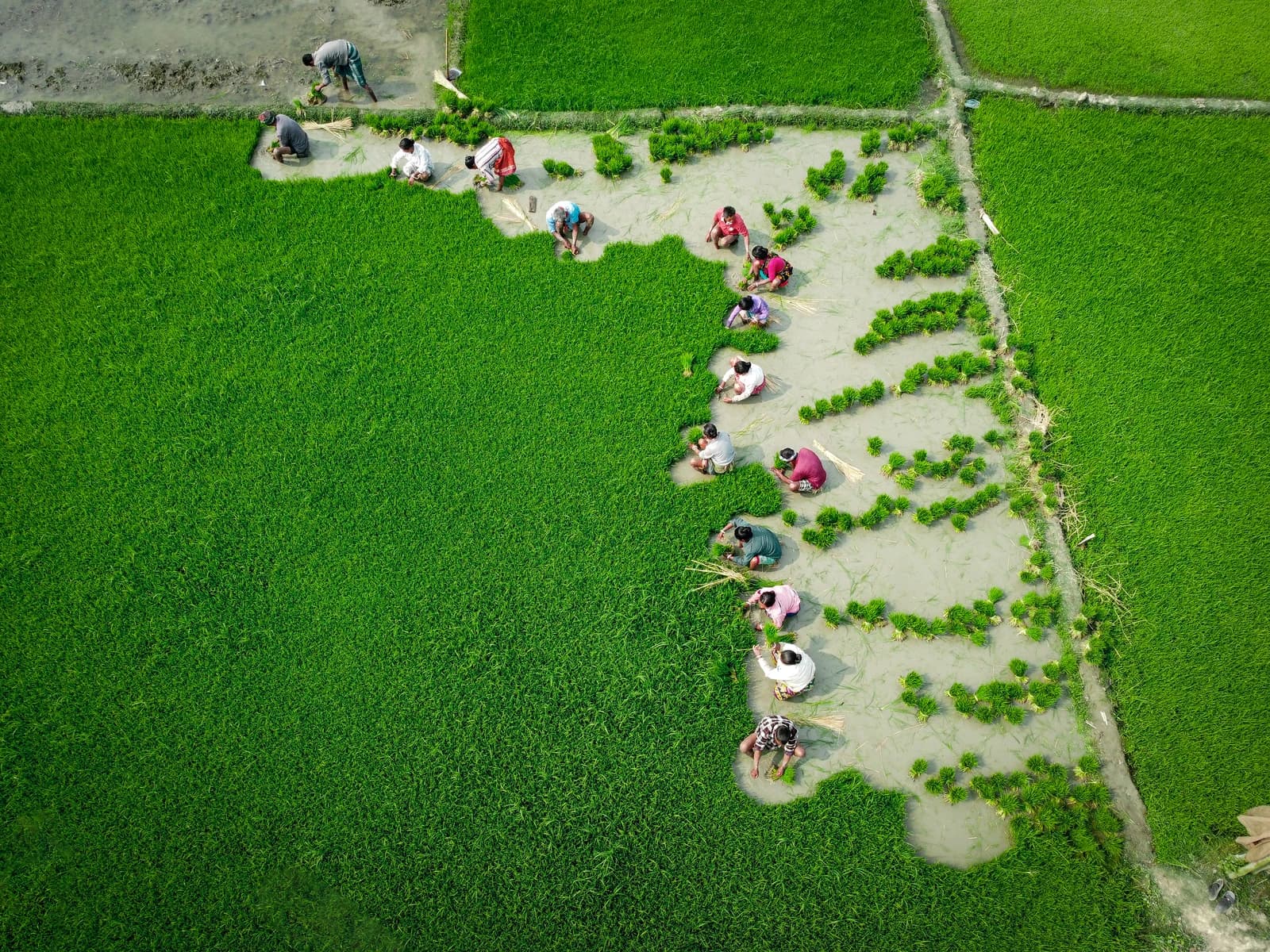
More than 23,000 workers in Vietnam’s shrimp and rice supply chains have benefited from a project aimed at helping exporters meet tougher international standards on labor, safety and sustainability.
Vietnam shrimp and rice exporters gain ESG support
The initiative matters because shrimp and rice are two of Vietnam’s most important agricultural export earners, especially in the Mekong Delta, where access to the EU, U.S. and Japan increasingly depends not just on price and volume but on proof of responsible production. For buyers, that means better workplace conditions, stronger compliance and traceable governance. For producers, it means the difference between holding market share and falling behind as standards rise.
Sentiment IndicatorsⓘProprietary · adalytica.com · October 18, 2026
This is a snapshot — live sentiment, awareness and momentum for 130+ markets update continuously in the dashboard.Open AlphaPulse
At a workshop in Can Tho, organizers said the 2024-2026 project has supported more than 100 companies in the two sectors, with women accounting for more than 55% of the workers reached. It has also delivered more than 70 management and communication training courses and over 40 practical sessions on 5S, Kaizen, workplace-risk identification and waste reduction, involving nearly 4,000 workers.
The project is being run by the Vietnam Chamber of Commerce and Industry’s HCMC branch together with Oxfam in Vietnam, against a backdrop of labor shortages that have made it harder for companies and cooperatives to hire and retain staff. That shortage is not just an operating issue; it is a competitiveness problem. Export customers in developed markets are demanding clearer evidence of social responsibility, environmental management and sustainable governance, all of which now influence procurement decisions and long-term supplier relationships.
For investors and trade watchers, the significance lies in the way these requirements are reshaping agri-food economics in Southeast Asia. Producers that can document compliance and improve working conditions are more likely to keep access to premium markets, reduce supply-chain friction and lower reputational risk. Those that cannot may face higher audit costs, lost orders or pressure to discount.
The program has also helped companies review labor policies on hiring, working hours, rest, wages and bonuses, while building 10 pilot firms as models for responsible business practices and supporting four companies to trial environmental, social and governance frameworks. In the cooperative segment, more than 30 shrimp and rice producers received help connecting with buyers through exhibitions such as Vietshrimp and Foodexpo, alongside branding and packaging upgrades.
The broader message is that ESG in Vietnam’s agricultural export chain is moving from a compliance slogan to a commercial necessity. If the pilot models scale, the project could strengthen productivity, stabilize labor supply and improve the sector’s positioning with foreign buyers. If not, the gap between exporters that can prove sustainable practices and those that cannot is likely to widen further.
| Entity | Gains | Losses |
|---|---|---|
| Shrimp and rice exporters | ▲Better market access | ▼Higher compliance burden |
| Workers, especially women | ▲Safer jobs, better conditions | ▼Fewer benefits in weak firms |
| Vietnamese cooperatives | ▲Stronger branding, buyer links | ▼Smaller scale without upgrades |
| Global importers | ▲More reliable ESG-compliant supply | ▼Cheap sourcing from laggards |