Vietnam and China are moving to deepen parliamentary cooperation in a bid to make trade, investment and infrastructure ties more predictable at a time when regional supply chains remain sensitive to political and regulatory friction.
Vietnam China deepen parliamentary trade cooperation
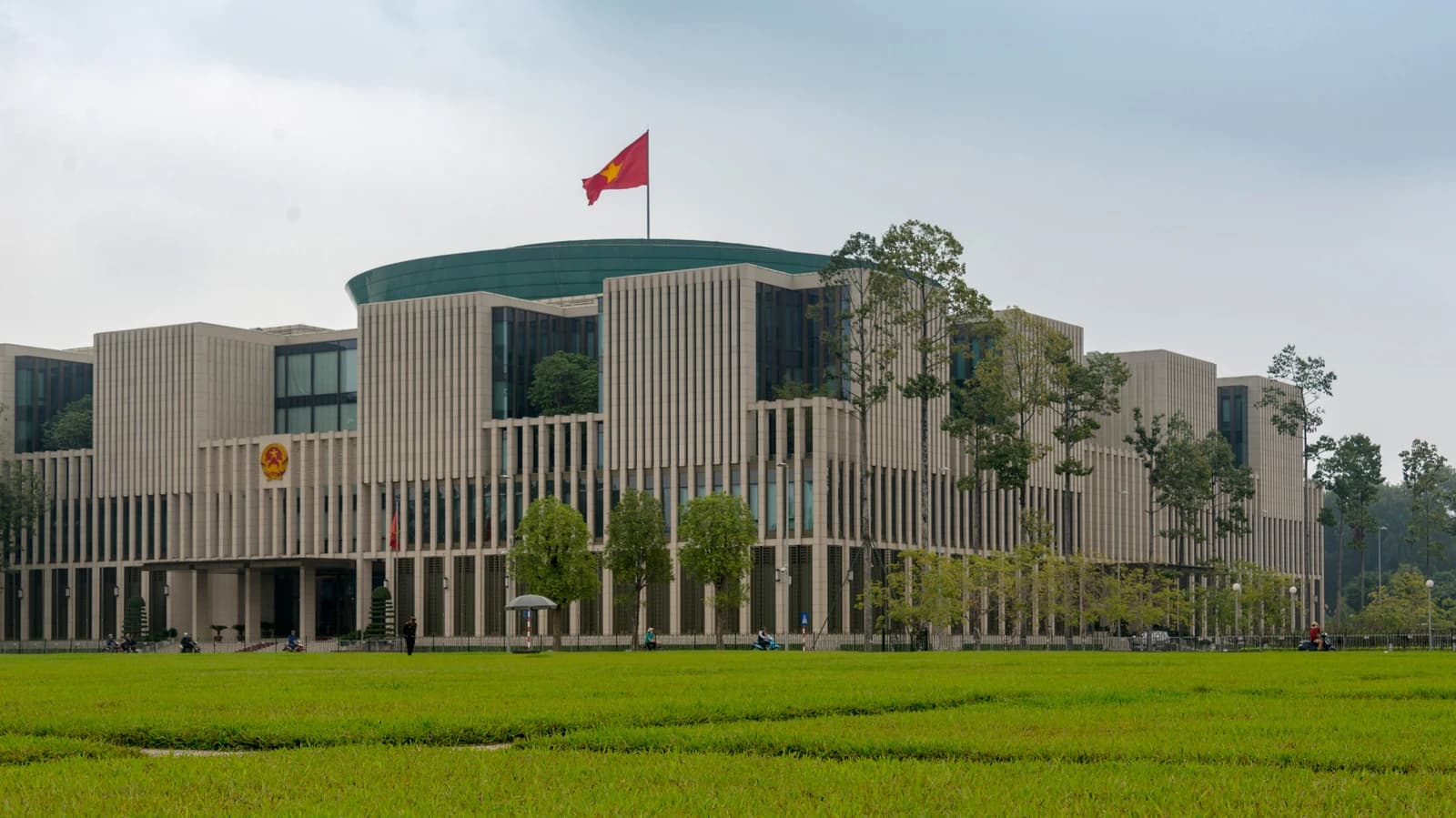
The most important development is National Assembly Chairman Tran Thanh Man’s official visit to China, where he co-chaired the second meeting of the Vietnam-China parliamentary cooperation committee and pressed for closer legal coordination. The visit matters because it is aimed not just at political symbolism but at building a more stable legal and institutional base for one of Southeast Asia’s most important bilateral economic relationships.
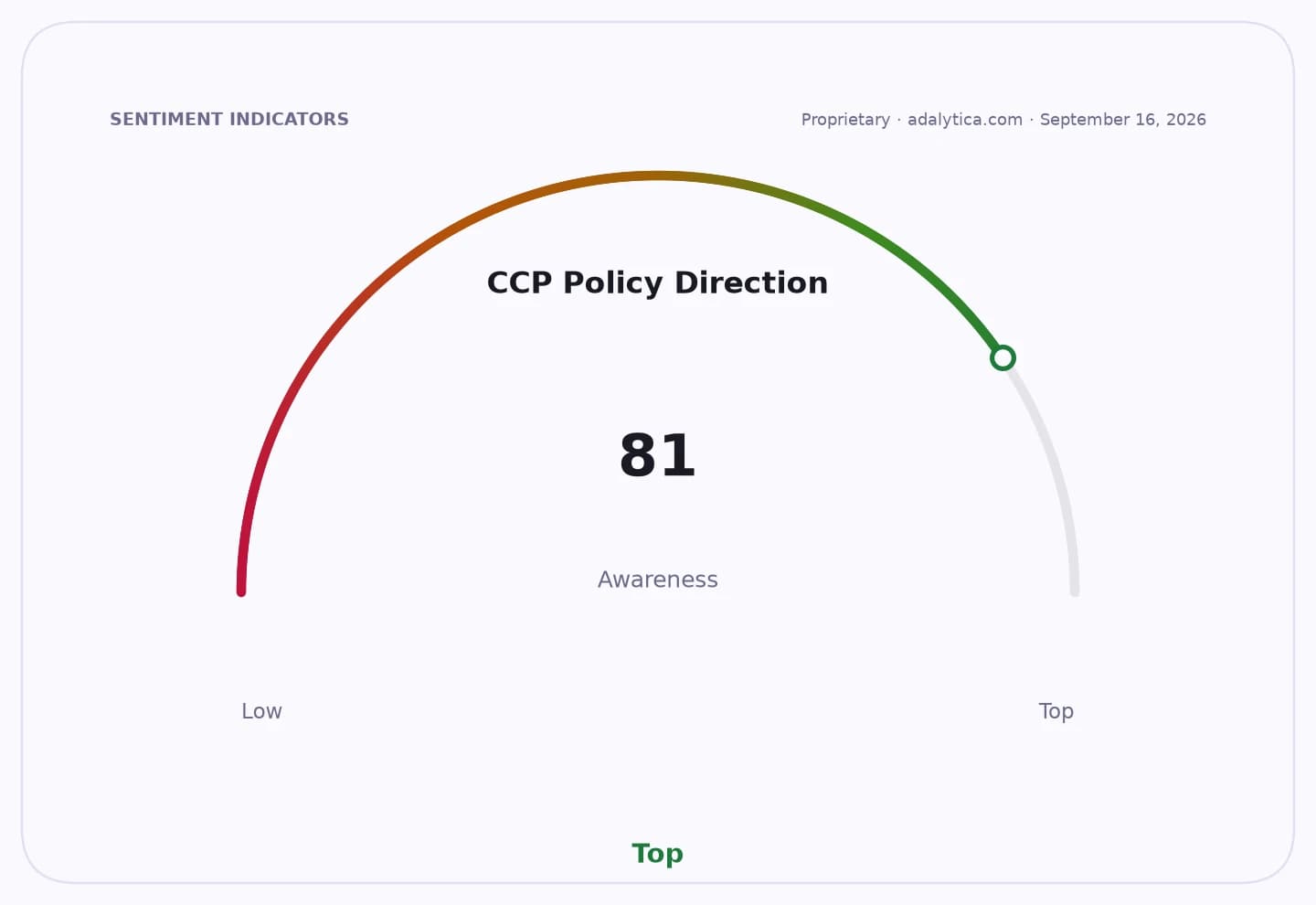
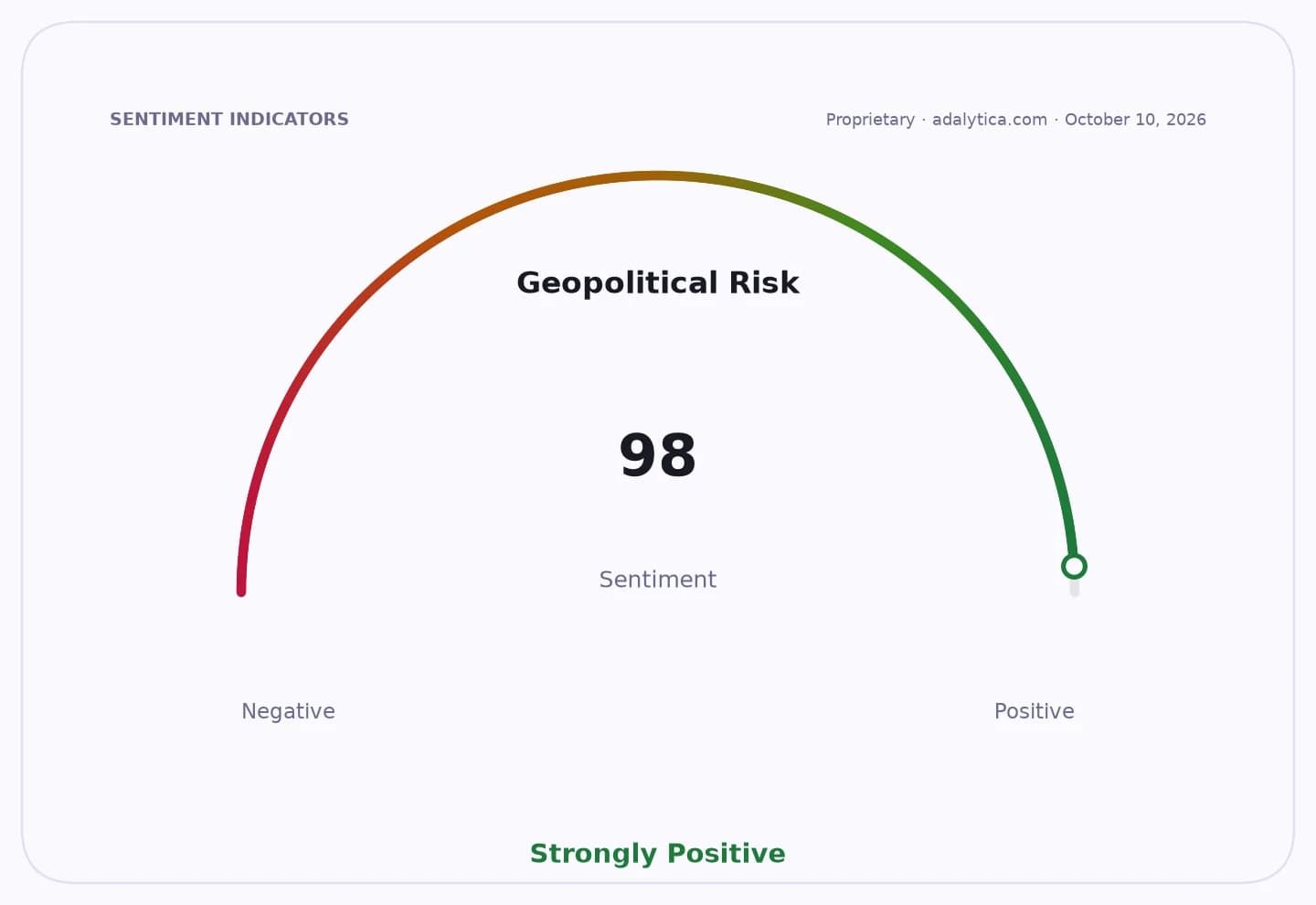
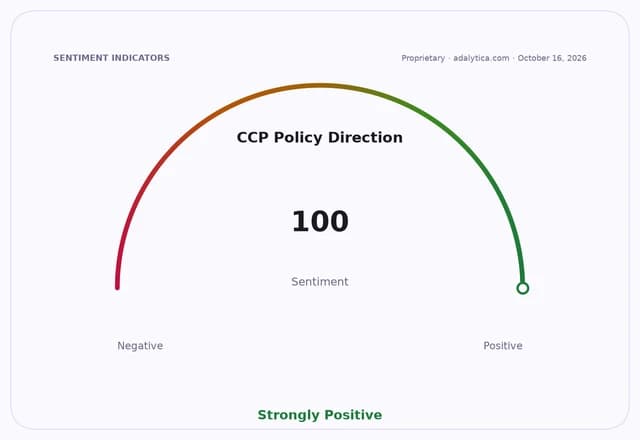
Sentiment IndicatorsⓘProprietary · adalytica.com · October 16, 2026
This is a snapshot — live sentiment, awareness and momentum for 130+ markets update continuously in the dashboard.Open AlphaPulse
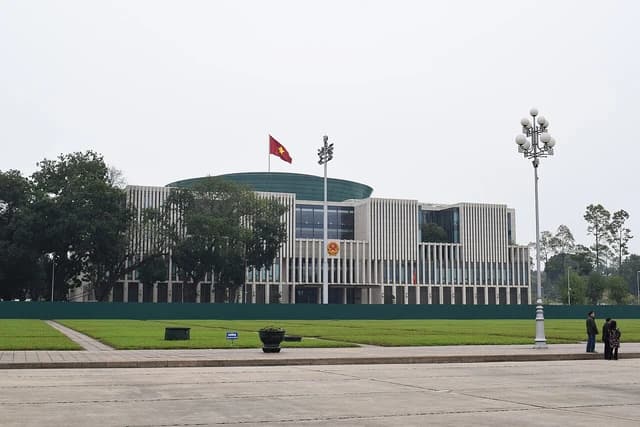
That matters economically because Beijing and Hanoi are trying to lower transaction costs for companies that already trade, invest and build across the border. A tighter fit between laws on investment protection, commerce, intellectual property and dispute resolution would help reduce project delays and uncertainty, especially for cross-border manufacturing, logistics and infrastructure work.
Liu Ying, a researcher at Renmin University’s Chongyang Institute, said the mechanism gives the two legislatures a platform to translate strategic guidance into concrete measures. She said the countries should push the cooperation from national assemblies down to local governments, and make the meetings operational rather than ceremonial.
For investors, the key takeaway is that improved legal coordination can support sectors that depend on clear rules, including logistics, industrial supply chains and digital infrastructure. Liu also highlighted emerging areas such as the digital economy and artificial intelligence, suggesting the talks are not limited to traditional trade but are also framing the regulatory environment for newer industries.
The broader backdrop is that Vietnam continues to balance deep trade links with China against the need for stable, transparent rules that support foreign capital and domestic growth. More predictable governance could benefit exporters, importers and developers on both sides, while also helping resolve disputes tied to cross-border business activity.
Liu said both sides should also strengthen coordination in regional mechanisms, including APEC, and expand cooperation on infrastructure connectivity, environmental protection, transboundary water management and transnational crime. She added that more people-to-people exchanges, including among young lawmakers and legal experts, would help broaden public support for the relationship.
With markets focused on Asia’s supply-chain resilience and policy continuity, the next test will be whether the parliamentary talks produce actual legal changes, new cooperation channels with local authorities and follow-through on economic projects rather than just diplomatic language.
| Entity | Gains | Losses |
|---|---|---|
| Vietnam-China trade ties | ▲Lower legal friction | ▼Regulatory uncertainty |
| Exporters and importers | ▲Smoother cross-border flows | ▼Higher transaction costs |
| Infrastructure and logistics firms | ▲Clearer project rules | ▼Delays from legal mismatch |
| China and Vietnam lawmakers | ▲Stronger political trust | ▼Limited if talks stay symbolic |