Anthony Albanese wrapped up a six-day visit to China with six new agreements that reinforce Australia’s economic dependence on its biggest customer at a time when global trade tensions remain elevated.
Australia-China trade ties ease after Albanese China visit

The deals, including a review of the China-Australia free trade agreement for 2025-26 and phytosanitary understandings, underscore how both governments are choosing commercial stability over confrontation after years of strained ties marked by Chinese trade restrictions and security disputes.
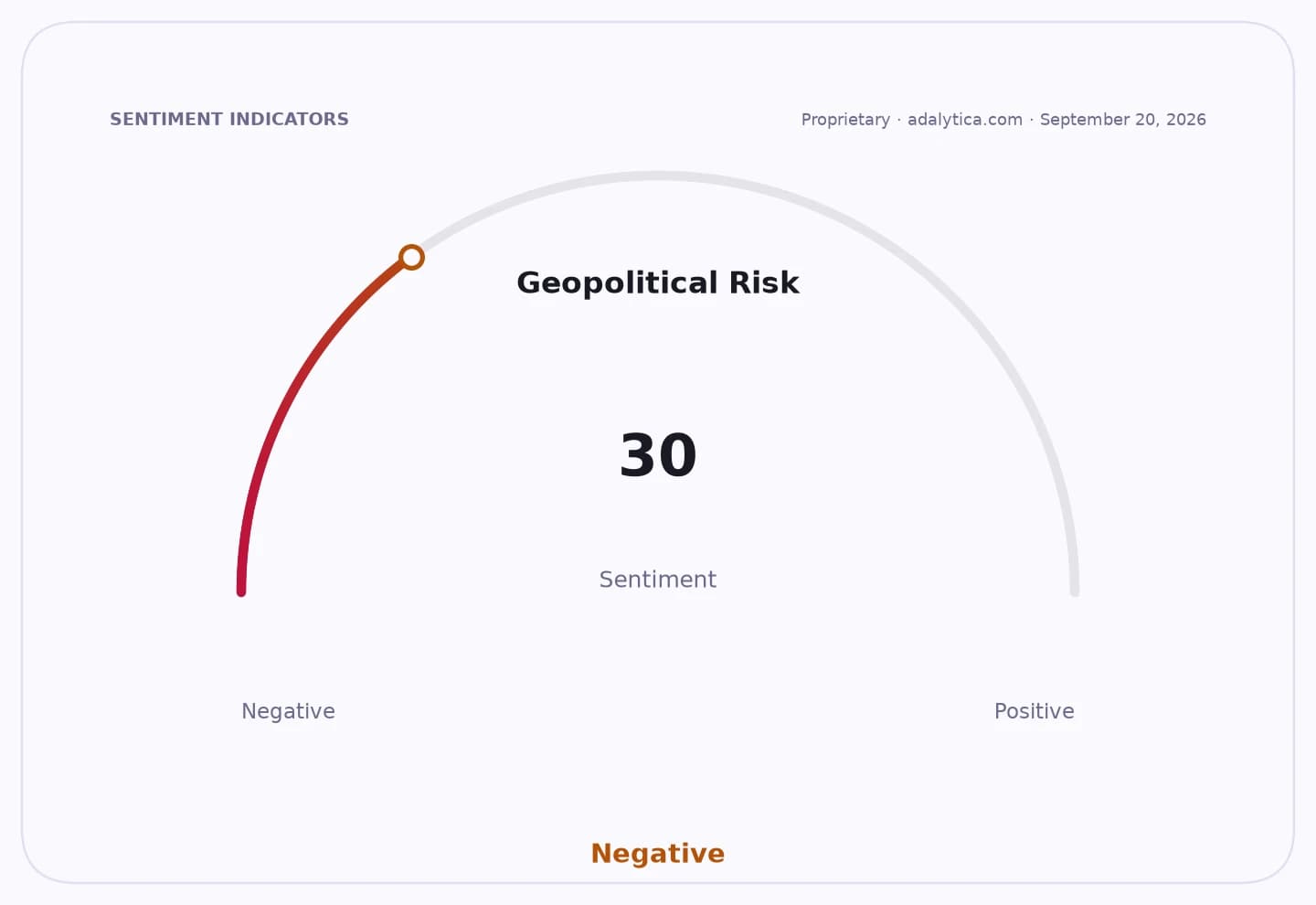
Sentiment IndicatorsⓘProprietary · adalytica.com · October 12, 2026
This is a snapshot — live sentiment, awareness and momentum for 130+ markets update continuously in the dashboard.Open AlphaPulse
That matters because China accounts for 25.7% of Australia’s trade balance, more than two and a half times the US share of 9.9%, leaving sectors from resources to agriculture highly exposed to the health of the relationship. For Canberra, even incremental progress lowers the risk premium on exports, supply chains and investment planning; for Beijing, it secures access to key commodities and food products from a reliable supplier.
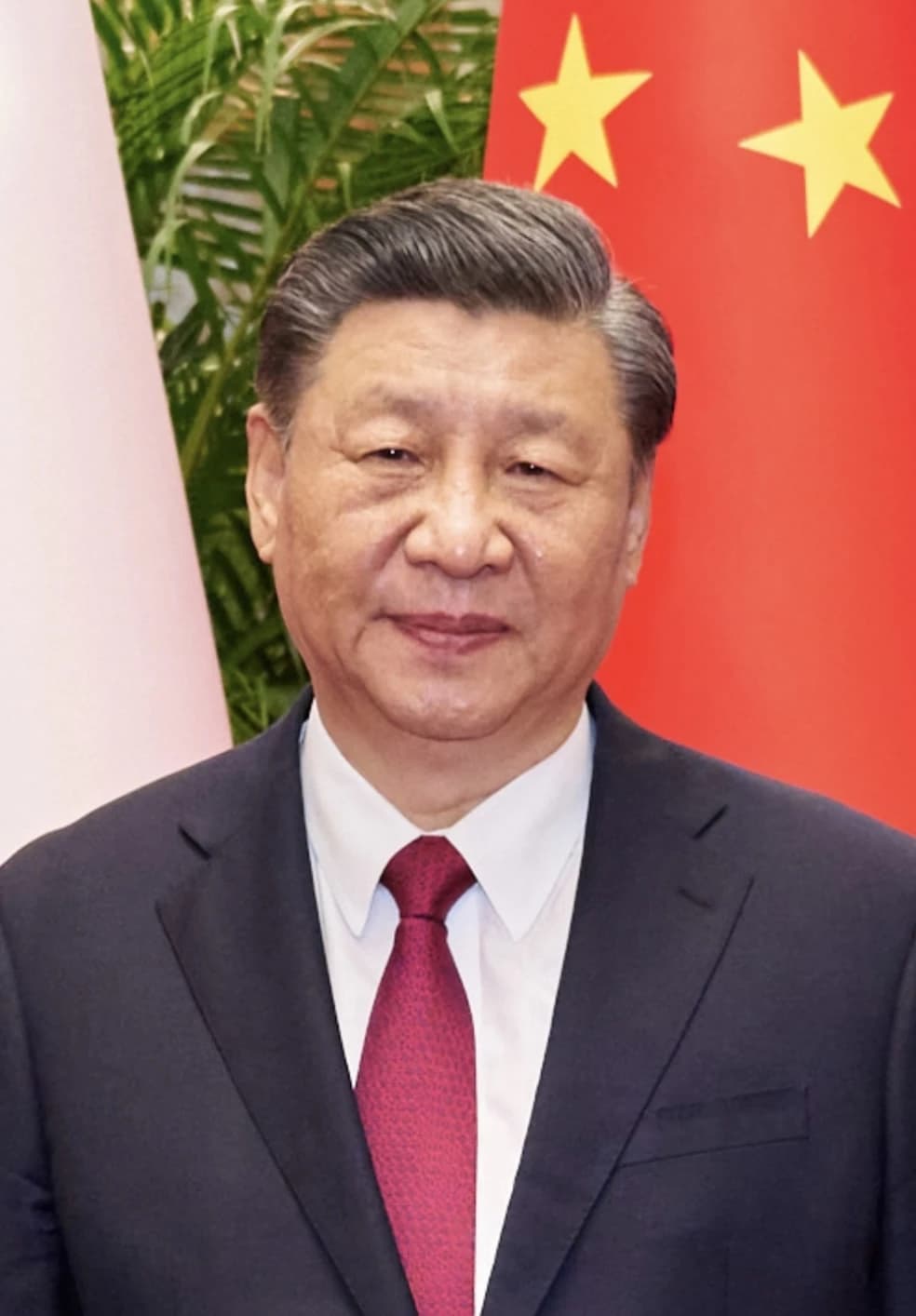
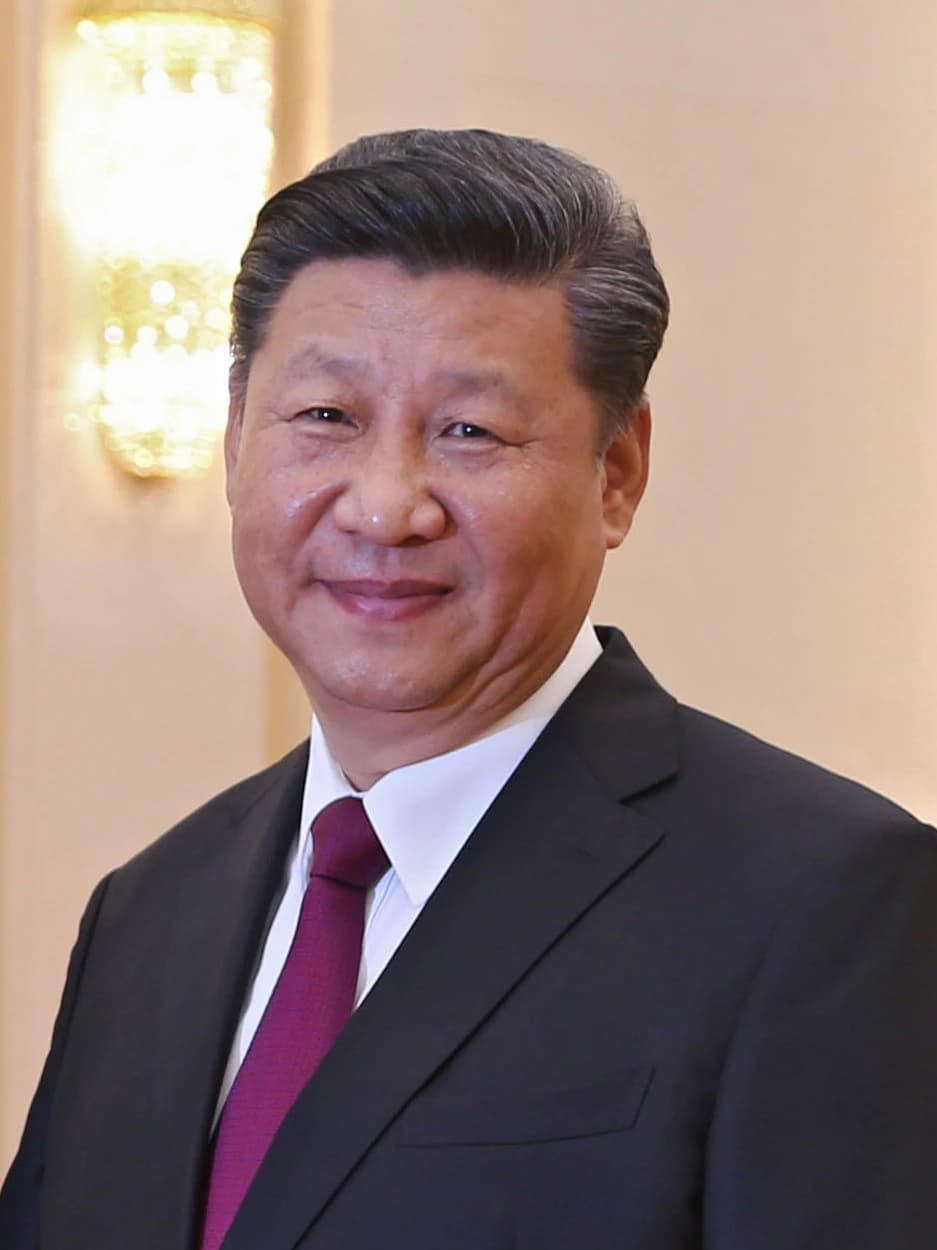
The political optics are just as important as the paperwork. Albanese met President Xi Jinping, Premier Li Qiang and Zhao Leji, signaling that the relationship has moved further along the path of normalization since Labor came to power in 2022. The visit also showed the limits of that reset: Australia’s opposition accused Albanese of not taking a harder line on China’s military posture near Australian territory, a reminder that security concerns remain a live political constraint.
For investors, the immediate implication is a more predictable backdrop for Australian exporters and China-exposed equities, even if the broader strategic rivalry is unchanged. Iron ore, coal, agriculture and education businesses benefit most from fewer trade frictions, while any deterioration in ties would quickly hit volumes, pricing power and sentiment across those sectors.
Markets have already reflected the value of a steadier US-China and China-West trade backdrop, with Adalytica’s US-China relations gauge showing extreme fear despite a modest one-day improvement, while Australia’s own market remains sensitive to Beijing’s policy stance and demand outlook. China’s economy has also shown firmer consumption, trade and investment in the third quarter, supporting the case that Beijing wants to keep external links open as it manages uneven domestic growth.
The question now is whether the latest diplomatic thaw can translate into durable commercial gains beyond symbolic agreements. A smoother trade relationship would support Australian commodity and farm exports in the near term, but investors will still watch for any flare-up over security, technology controls or regional military activity that could quickly reverse the progress made in Beijing.
| Entity | Gains | Losses |
|---|---|---|
| Australia exporters | ▲More predictable China access | ▼Less leverage in security disputes |
| China buyers | ▲Stable supply of raw materials | ▼Fewer bargaining chips in tensions |
| Albanese government | ▲Diplomatic and trade credit | ▼Criticism from security hawks |
| Rival trade partners | ▲Less immediate disruption | ▼Greater China-Australia alignment |