A Vietnamese turmeric startup is turning a low-value farm crop into higher-margin probiotic products while recycling pulp and peel back into fertilizer and feed, a model that could lift rural incomes, cut waste and offer investors a cleaner, more scalable template for agri-processing.
Vietnamese turmeric startup makes probiotic products
The project, led by Doan Thi Minh Tram in Dong Nai, won first prize in a 2026 local women’s entrepreneurship contest focused on digital and green transformation, underscoring how small agribusinesses are using fermentation and product diversification to move beyond commodity pricing. For farmers and regional processors, the significance is economic: more of each turmeric root is monetized, and less of the crop is discarded.
Sentiment IndicatorsⓘProprietary · adalytica.com · September 19, 2026
This is a snapshot — live sentiment, awareness and momentum for 130+ markets update continuously in the dashboard.Open AlphaPulse
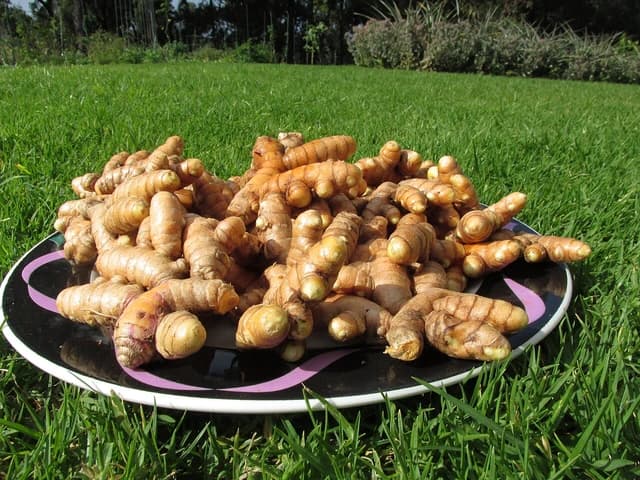
Tram’s business has shifted from a family trade into a deeper processing operation that uses probiotics and a proprietary fermentation formula to make turmeric tablets, powders and liquid products. The company says its formulations aim to improve solubility, taste and dosage control, addressing curcumin’s well-known absorption limitations while supporting a premium product pitch.
The product line now includes soluble turmeric with probiotics, turmeric-honey probiotic tablets, turmeric-honey probiotics and other nutrition products, all of which have received OCOP 3-star certification. That matters because certification can help small brands gain shelf space, strengthen trust and support pricing power in a market where food and wellness products are increasingly competing on functionality rather than raw ingredients.
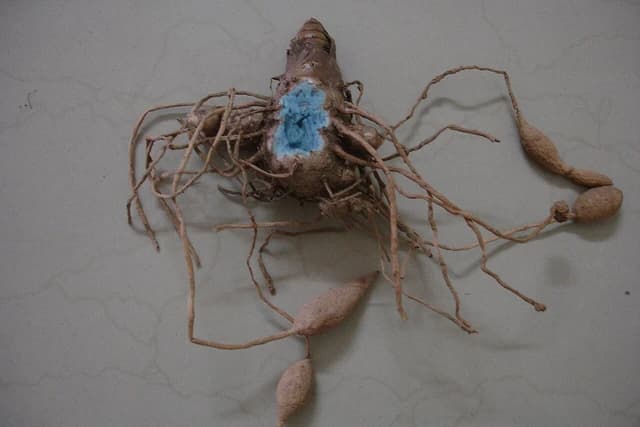
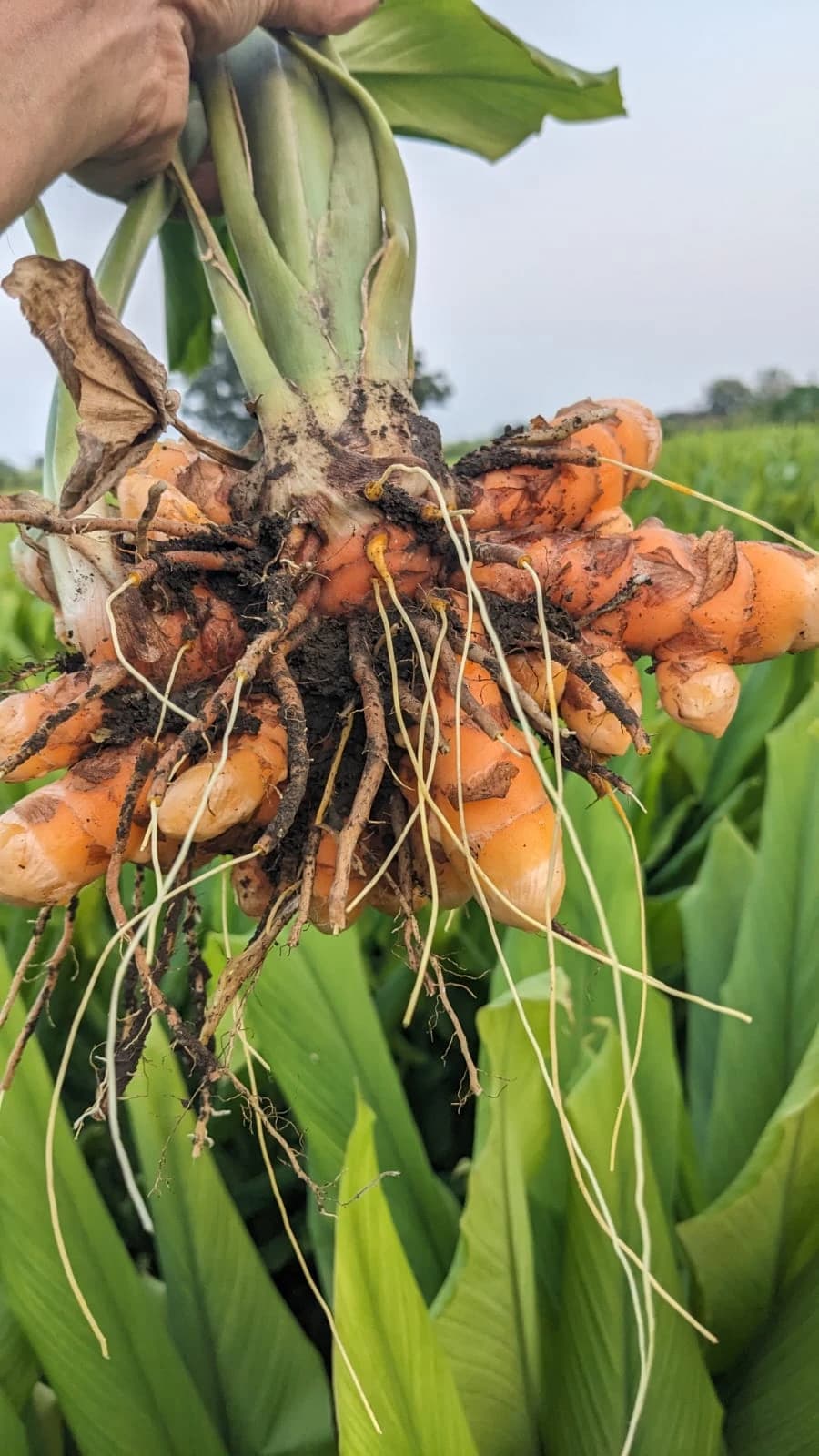
The broader investment angle is the circular production loop. Turmeric residue, skins and other plant byproducts are treated with microorganisms to make organic fertilizer for the growing area, while some waste is being studied as animal feed. That lowers input costs, reduces disposal burdens and ties the supply chain more tightly to local farmers.
The project also has a labor component that makes it more than a niche consumer story. Tram says it currently creates local jobs for five women and works with five households where women are the main earners, using a flexible model that allows participation in preprocessing, packing, labeling, online sales, affiliate marketing and livestream commerce.
That aligns with a wider push in Vietnam to digitize small business and green the agricultural economy, especially among women-led ventures. The next test is whether the business can scale distribution and brand awareness online without losing the low-capital, community-based model that is central to its circular pitch.
| Entity | Gains | Losses |
|---|---|---|
| Doan Thi Minh Tram’s startup | ▲Higher-margin products | ▼Commodity dependence |
| Local turmeric farmers | ▲More stable demand | ▼Low-value raw sales |
| Women workers in Dong Nai | ▲Local income opportunities | ▼Need to migrate for work |
| Environment and processors | ▲Less waste, lower input costs | ▼Conventional disposal model |