Khanh Hoa is pressing local businesses to cut waste, use resources more efficiently and adopt cleaner production practices as rising input costs and tighter environmental expectations make sustainability a direct margin issue, not just a policy slogan.
Khanh Hoa Businesses Cut Waste to Lower Costs
The province’s investment and trade promotion center held a training conference on sustainable production and consumption for manufacturers and business owners, framing the shift as a way to improve competitiveness at a time when companies are dealing with volatile raw material, energy and waste-treatment costs. The message is straightforward: the cheapest way to manage waste is to create less of it in the first place.
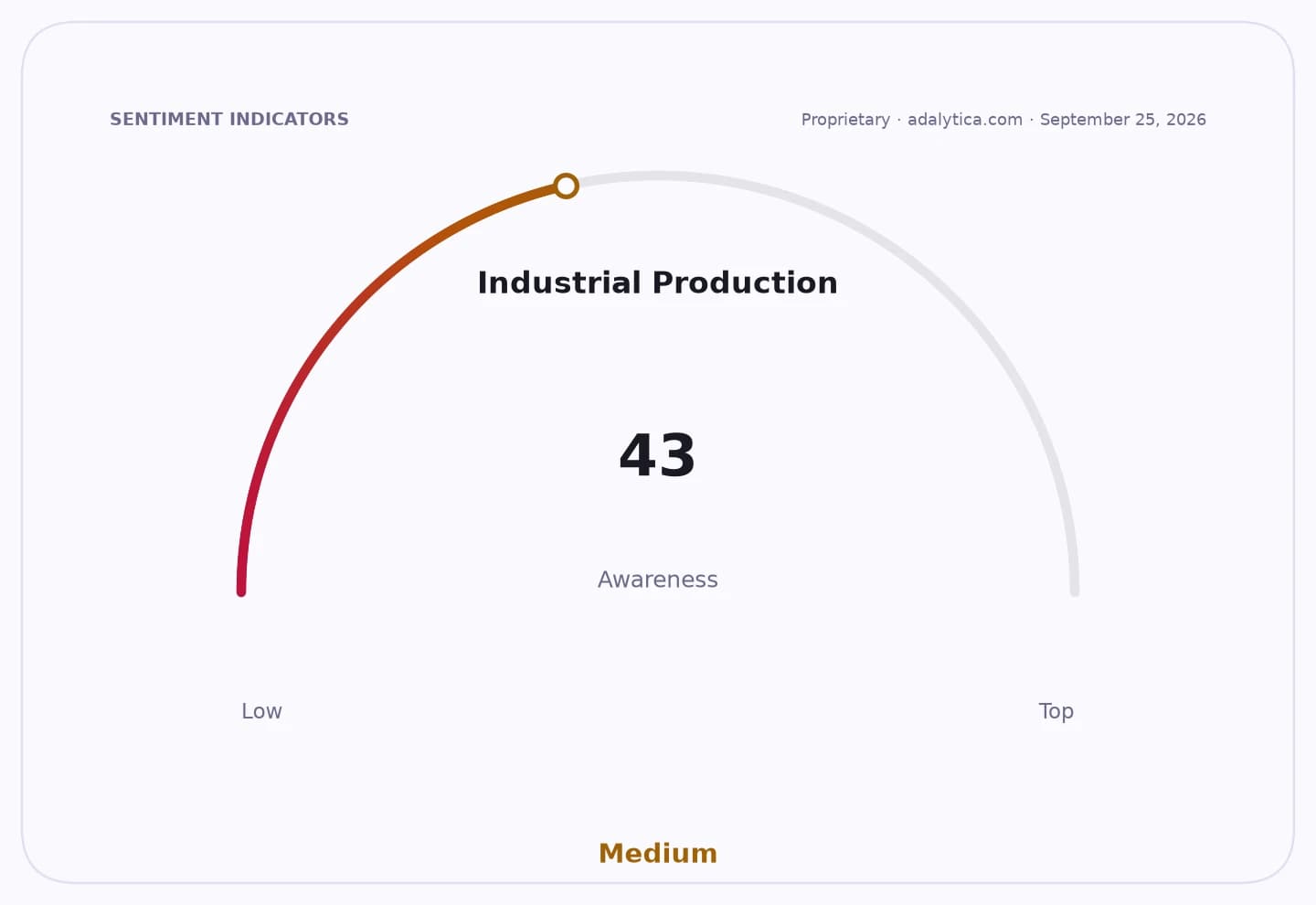
Sentiment IndicatorsⓘProprietary · adalytica.com · September 18, 2026
This is a snapshot — live sentiment, awareness and momentum for 130+ markets update continuously in the dashboard.Open AlphaPulse
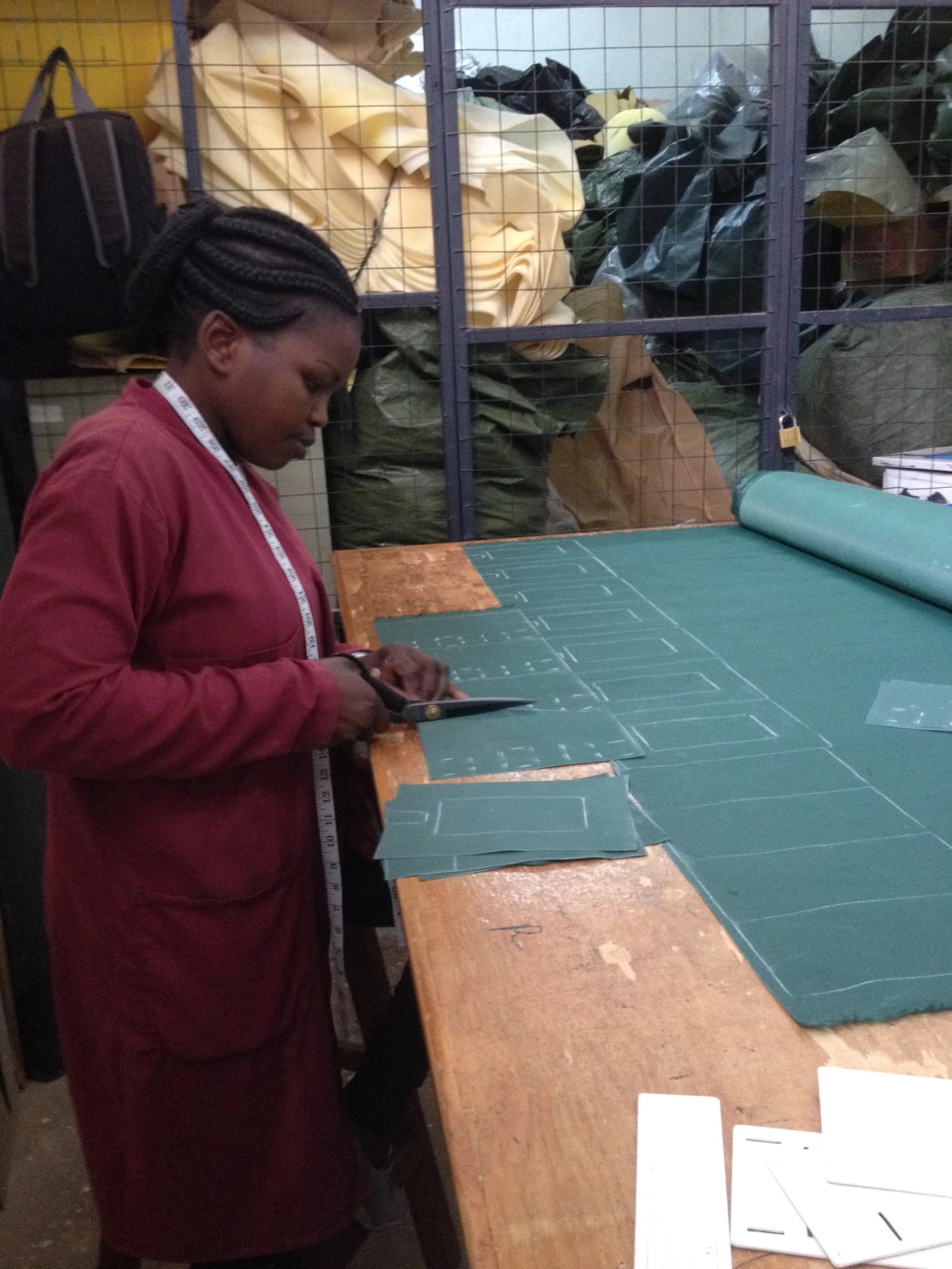
That matters economically because cleaner production can lift productivity without requiring a big new factory build-out. The training focused on practical steps such as reducing spills, leaks, product defects, rework and idle equipment use, while also improving maintenance, input control and operating discipline. For smaller firms, those changes can quickly translate into lower raw-material bills, lower utility costs and less spending on disposal.
It also reflects a broader policy and market shift across Vietnam. The government’s national action program on sustainable production and consumption for 2021-2030, approved under Decision 889/QD-TTg, is pushing companies toward more efficient resource use, cleaner technologies and lower waste intensity. At the same time, customers are increasingly asking for transparent, green and responsible products, which means environmental performance is becoming part of the sales pitch as well as the cost structure.
For investors, that is an important long-term signal. Businesses that adapt early tend to be better positioned on margins, compliance and access to greener financing. They are also less exposed to future carbon, packaging and traceability requirements that are spreading through supply chains. In that sense, Khanh Hoa’s push is not just about training sessions — it is about preparing local industry for a more demanding operating environment.
The investment case is still grounded in execution. Cleaner production only pays off if companies move beyond theory and actually tighten processes, upgrade equipment where needed and build a habit of measuring resource losses. But for patient investors, especially those looking at industrials, utilities, waste management and suppliers tied to efficiency upgrades, the direction is clear: sustainability is becoming an operating advantage, and the firms that treat it that way are likely to compound value over time.
| Entity | Gains | Losses |
|---|---|---|
| Khanh Hoa businesses | ▲Lower costs, better margins | ▼Waste-heavy operations |
| Green suppliers and consultants | ▲More demand for upgrades | ▼Status quo vendors |
| Customers | ▲Cleaner, safer products | ▼Firms ignoring transparency |
| Investors | ▲Stronger long-term efficiency plays | ▼High-cost, low-discipline operators |