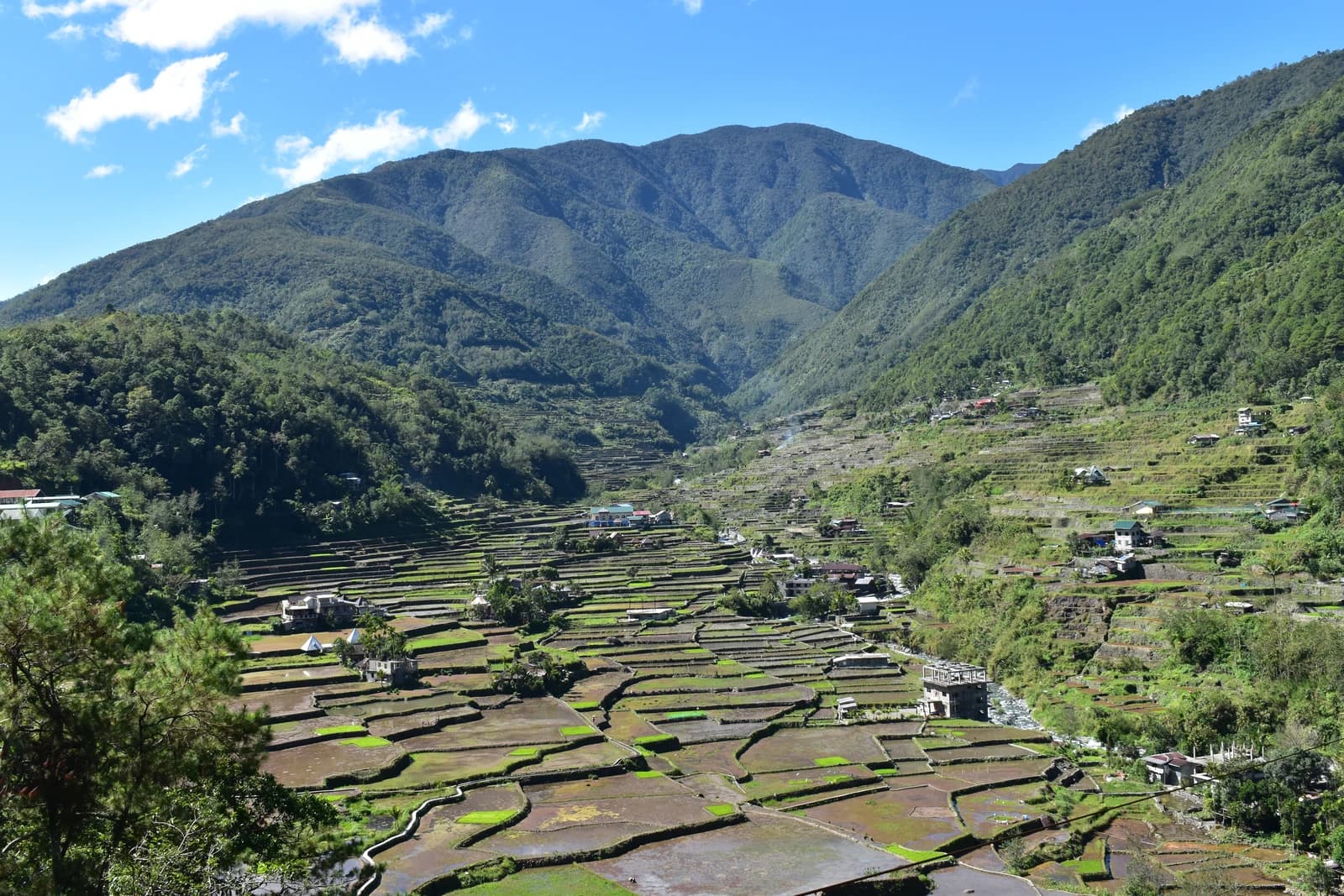
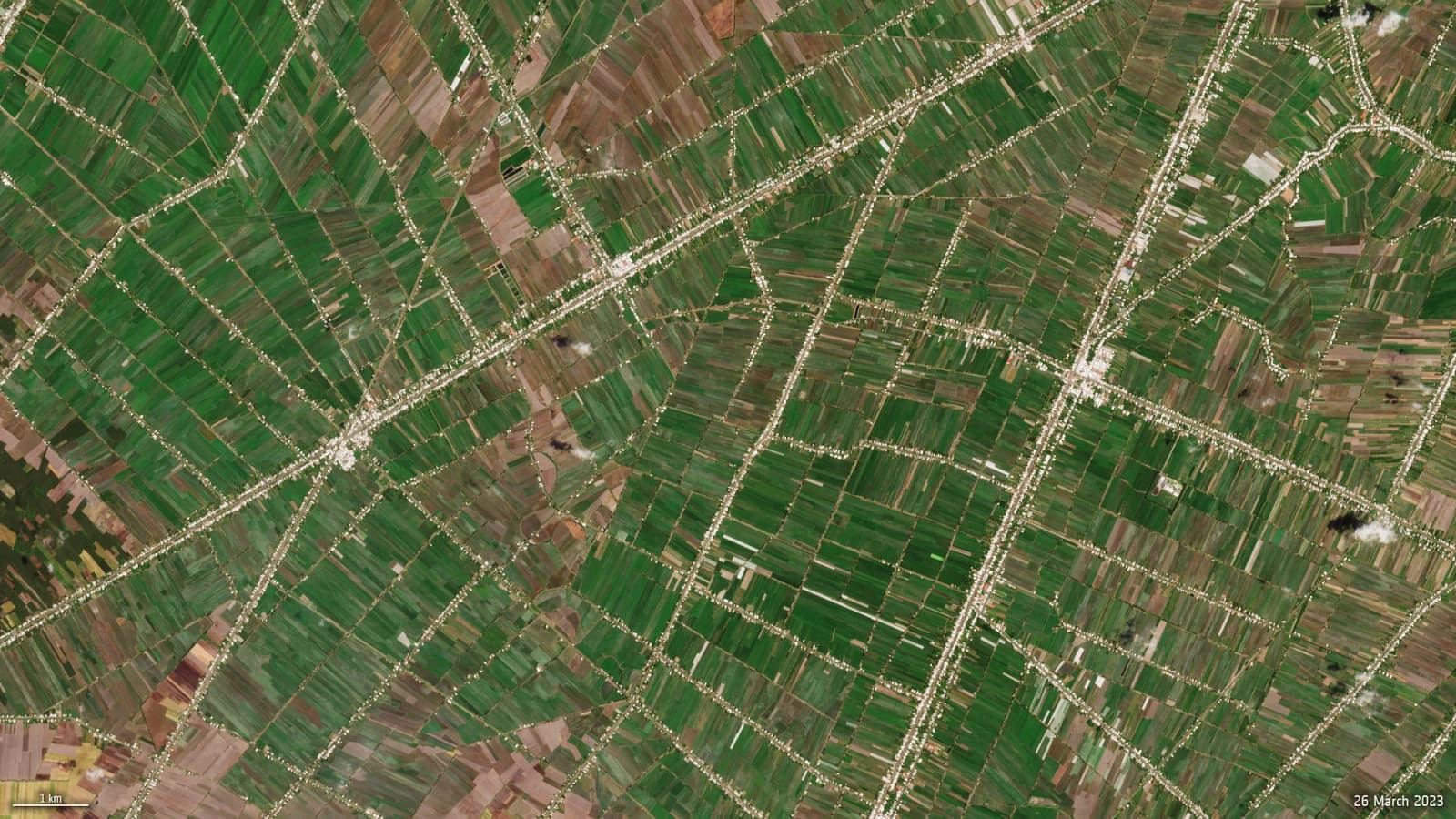
Vietnam is trying to turn its one-million-hectare low-emission rice program into a higher-margin export model, not just a climate pledge, as officials and industry players warn that food security can no longer rest on volume alone.
Vietnam low-emission rice plan targets export premiums
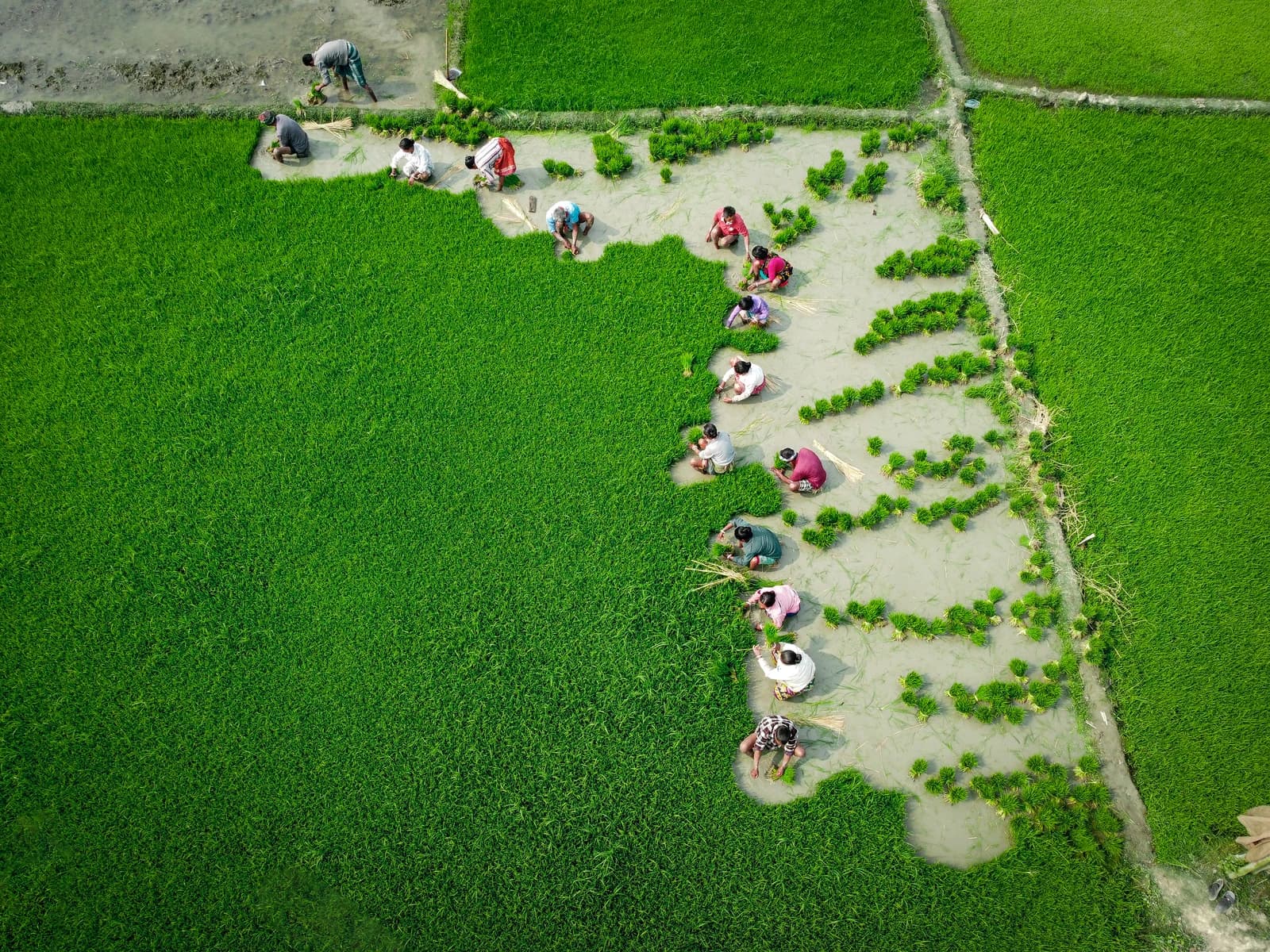
That shift matters because rice is one of Vietnam’s most strategic agricultural exports and the Mekong Delta project is being recast as a way to lift farm incomes, protect yields and cut emissions while preserving the country’s edge in premium grain. If the plan works, it could help Vietnam sell more differentiated rice at better prices, reduce climate vulnerability in a region exposed to salinity, drought and flooding, and draw in more private capital into storage, processing, logistics and green finance.
Sentiment IndicatorsⓘProprietary · adalytica.com · October 16, 2026
This is a snapshot — live sentiment, awareness and momentum for 130+ markets update continuously in the dashboard.Open AlphaPulse
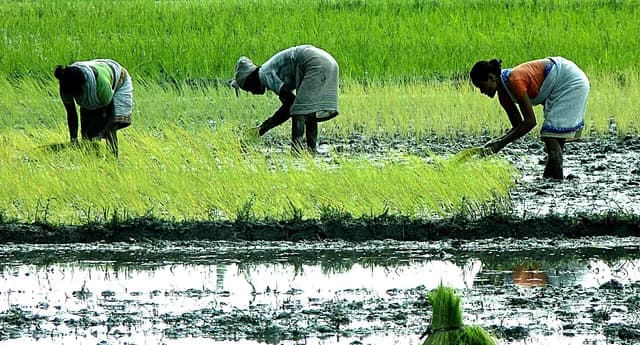
At a World Food Day conference in Ho Chi Minh City, the agriculture ministry and the FAO said the project for the Mekong Delta needs stronger implementation, with officials updating progress and funding needs for 2026-2030. The focus was on technical upgrades, value-chain links, branding, market development and climate finance — a signal the government wants the program to move beyond pilot fields and become a commercial system.
The economic logic is straightforward. In a market where prices increasingly reward quality and traceability, low-emission rice gives Vietnam a way to separate itself from bulk suppliers. The conference stressed that success should be measured not by hectares alone, but by grain quality, production efficiency, verified emissions cuts and long-term competitiveness. That is the right frame for investors: the value is not in planting more rice, but in building an export platform with better pricing power.
The message also matters for rural cash flow. Officials and participants repeatedly said farmers should not be left to absorb the cost and risk of transition on their own. That creates a clear opening for agribusinesses, banks, cooperatives and technology providers that can bundle seeds, machinery, agronomy, financing and offtake agreements. The winners will be the companies that can reduce input use, improve yields and certify lower emissions at scale.
Vietnam’s deputy agriculture minister Nguyen Hoang Hiep said food security in the new era cannot depend only on raising output, underscoring a broader policy pivot toward value and resilience. He said the sector must improve quality, value and efficiency while cutting environmental damage and adapting to climate change. For a major agricultural exporter, that is not rhetoric — it is a blueprint for future trade strategy.
The timing is important. The rice market is already splitting into tiers, with premium varieties carrying stronger branding and pricing power. Local reports noted a modest rise in rice prices and highlighted the recent international recognition for Ong Cua ST25, one of Vietnam’s flagship premium varieties. That reinforces the investment case for branded, traceable, low-emission rice: the market is rewarding differentiation, not just supply.
FAO’s Vietnam representative Vinod Ahuja said women’s equal access to land, capital, knowledge and markets lifts productivity, child nutrition and community resilience. That points to another underappreciated angle: this is not just an agricultural modernization story, but a rural productivity story. Programs that improve inclusion, training and cooperative strength can unlock faster adoption and better returns on public and private capital.
For investors, the thesis is that Vietnam is building a toll road for climate-smart rice. The beneficiaries are not only farmers, but also cooperatives, processors, equipment suppliers, agri-financiers and firms that can verify sustainability claims for export markets. The risk is execution: without tighter links between production and purchasing, the project could remain a policy slogan. But if Hanoi delivers on coordination, financing and market access, the upside is a more resilient rice industry with stronger pricing power and a durable export premium.
| Entity | Gains | Losses |
|---|---|---|
| Mekong Delta rice farmers | ▲Higher prices, better yields | ▼Transition costs if unsupported |
| Cooperatives and processors | ▲Bigger formal supply chains | ▼Fragmented smallholders |
| Banks and green financiers | ▲New lending and project finance | ▼Informal, low-margin lending |
| Bulk rice exporters | ▲Access to premium branding | ▼Commodity-only pricing power |