Can Tho is launching a Canada-backed rice initiative from 2026 to 2029 that seeks to raise sustainable production capacity in one of Southeast Asia’s most climate-vulnerable farming regions, while building a low-emission value chain that could give farmers and millers a price premium.
Can Tho Launches Canada-Backed Low-Emission Rice Project
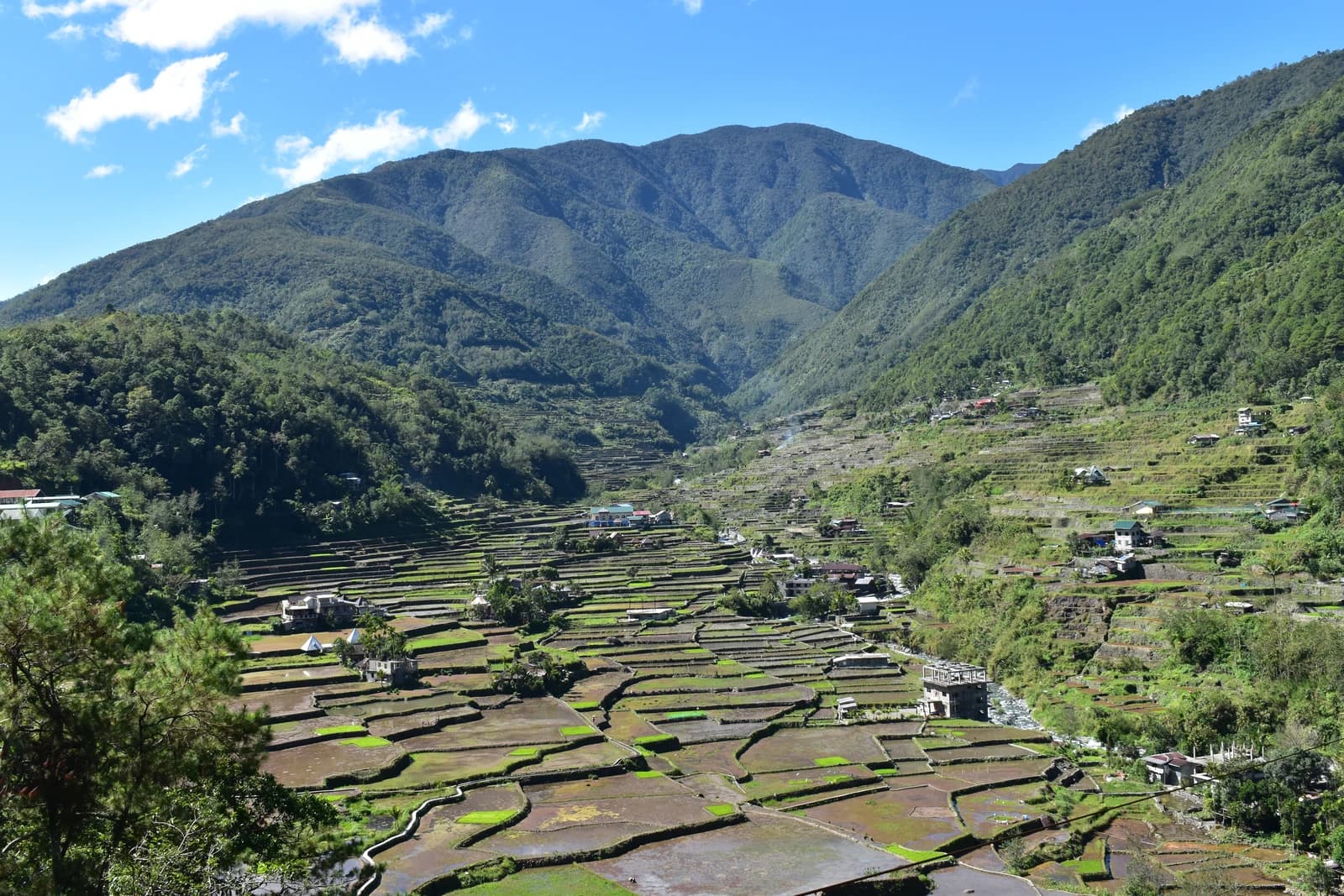
The GoRice project, budgeted at about 15 billion dong, will be rolled out across seven communes and is expected to help more than 5,800 farmers adopt smarter, lower-emission cultivation methods while supporting 15 companies to expand markets for low-carbon rice products. Economically, the project matters because it links climate adaptation with income growth: the Mekong Delta faces rising salinity, drought and weather volatility, and rice remains a cornerstone of rural employment, exports and food security in Vietnam.
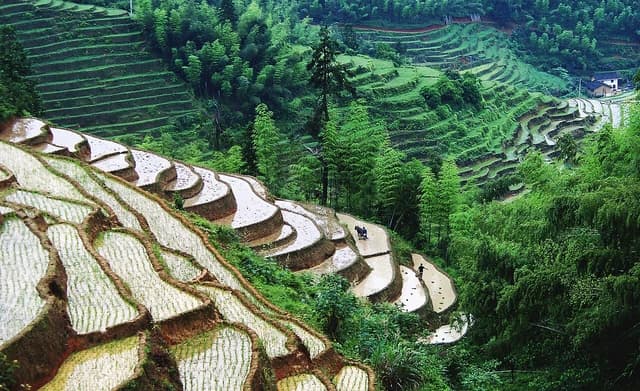
Authorities in Can Tho are using the project to reinforce a broader shift already underway in the delta, including Vietnam’s plan for 1 million hectares of high-quality, low-emission rice tied to green growth. The strategy is to move away from fragmented smallholder production and toward coordinated value chains that can meet third-party verification standards, carry the “Vietnam low-emission green rice” label and command better market access. That is critical in a sector where buyers are increasingly sensitive to provenance, sustainability claims and carbon intensity.
The project also aims to extract more value from byproducts that are often burned or buried, including straw and husks. Support for straw collection, mushroom growing, organic fertiliser, biomass energy and biochar could create a second income stream for farms while reducing air pollution and waste. For investors and agribusiness operators, that matters because the economics of rice are tightening: climate pressure raises production risk, while low-carbon certification and byproduct monetisation can improve margins and resilience if farmers can scale them efficiently.
A key challenge is that carbon markets and low-emission rice remain unfamiliar to domestic consumers, which means the project will have to build both supply and demand. If that succeeds, it could help establish a paid market for greener rice and improve the competitiveness of local cooperatives and processors. If it does not, the risk is that the initiative remains a demonstration project with limited commercial lift.
For Canada, the funding underscores how climate finance is increasingly flowing into agricultural adaptation rather than only into emissions cuts. For Vietnam, it reflects a policy bet that rice can stay nationally strategic only if it becomes less water-intensive, less polluting and more integrated with climate adaptation. The next test will be whether the project can turn sustainability standards into measurable yield stability, stronger farm incomes and a marketable low-emission rice brand.
| Entity | Gains | Losses |
|---|---|---|
| Can Tho farmers | ▲Training, higher income potential | ▼Old low-margin practices |
| Rice companies/cooperatives | ▲Market access, certification | ▼Fragmented sourcing models |
| Canada/government donors | ▲Climate finance impact | ▼Limited if adoption lags |
| Conventional rice value chain | ▲Cleaner, higher-value output | ▼Straw burning, waste-heavy inputs |