Thanh An island commune in Ho Chi Minh City is set to receive its first gas station in early 2027, but the project is notable less for expanding retail fuel sales than for revealing how thin demand and difficult logistics can make even basic infrastructure commercially unappealing.
Thanh An gets first floating gas station in 2027
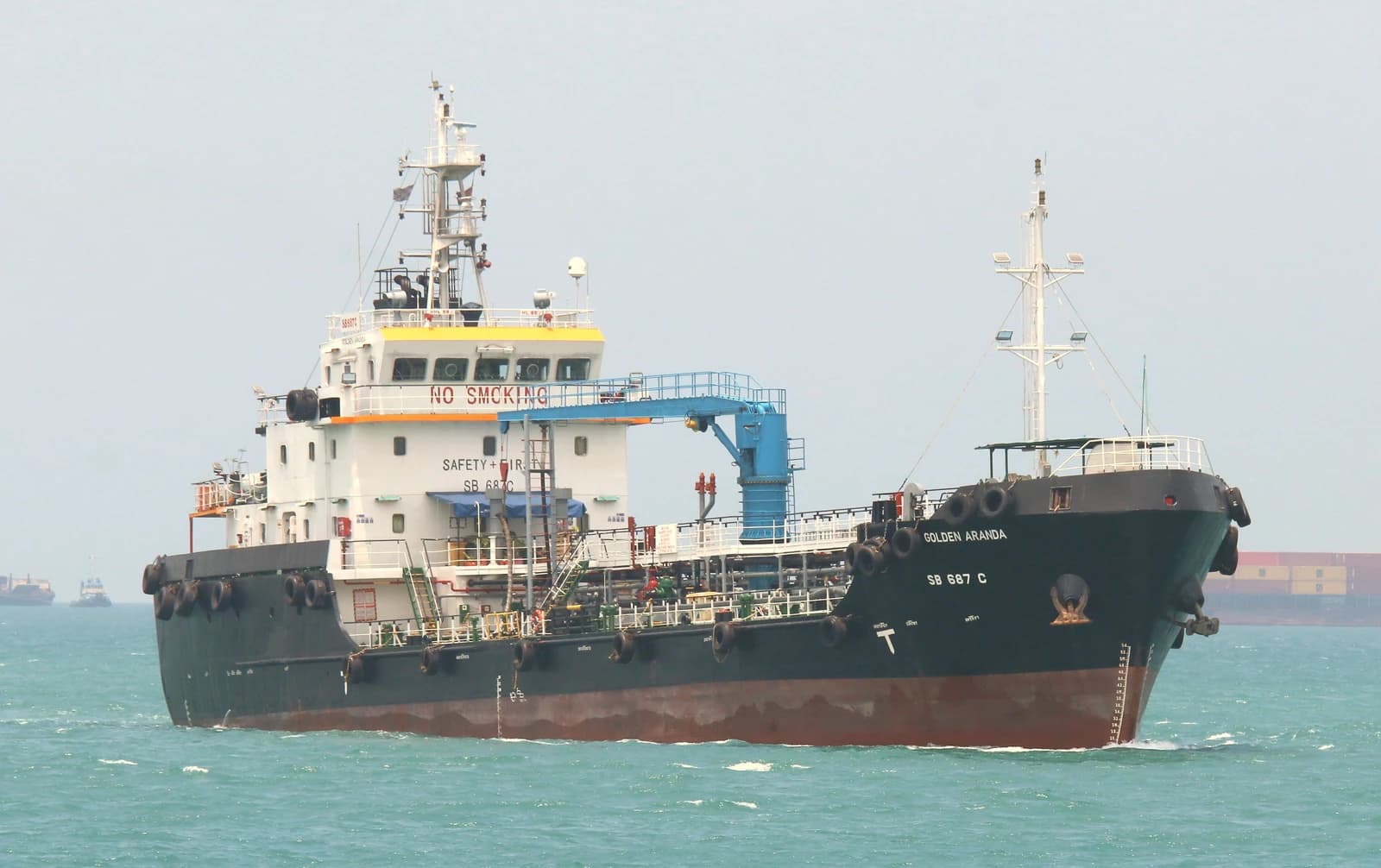
The city’s Department of Industry and Trade said the station will be built as a floating facility, a compromise that allows Saigon Petro to bypass the lack of usable land near the water and serve an area where daily fuel consumption is still below 1,000 liters. That is far too little to support a conventional forecourt business, especially when a mainland station in central Ho Chi Minh City typically needs sales of about 50,000 liters a month just to break even.
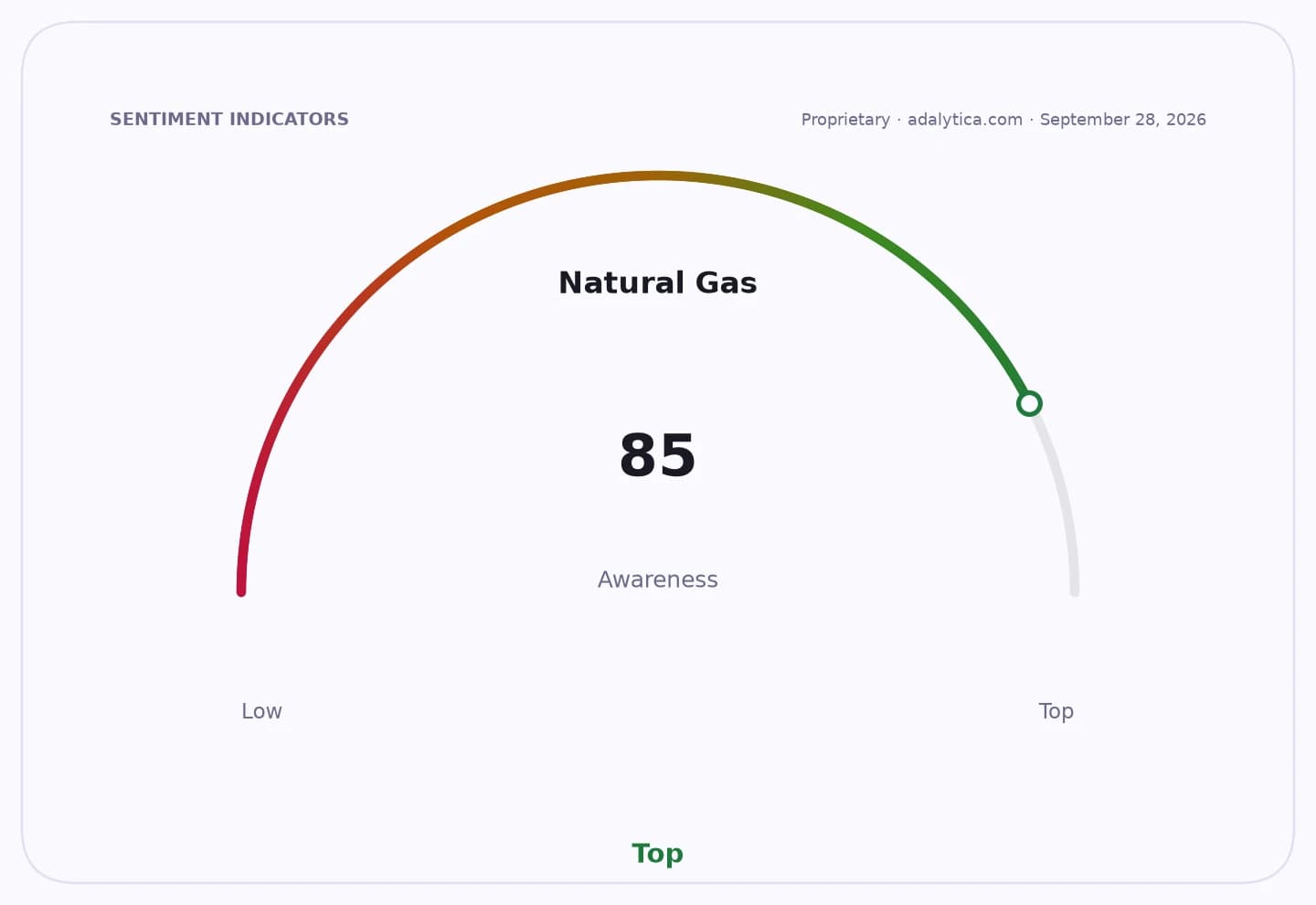
Sentiment IndicatorsⓘProprietary · adalytica.com · October 17, 2026
This is a snapshot — live sentiment, awareness and momentum for 130+ markets update continuously in the dashboard.Open AlphaPulse
The economics explain why the island has gone without a station despite being part of Vietnam’s biggest metropolis. Officials said the investment is expected to cost about 20 billion dong, nearly seven times the roughly 3 billion dong needed for a land-based outlet. The higher upfront cost, limited land, and safety rules requiring at least 70 meters of separation from cargo gathering and passenger areas near the port made a standard site impractical.
That leaves the project as more of a public-service asset than a profit center. Demand on Thạnh An is constrained by the commune’s small area and low vehicle density, with residents able to cross the island on foot in about 15 minutes. In that setting, fuel retailing is unlikely to deliver the sort of throughput that normally attracts private capital, which is why the local government turned to a state-owned company.
For Saigon Petro, the floating design solves the access problem by letting barges bring in fuel close to the shoreline. For the city, it fills a gap in essential services while also fitting a broader policy push to encourage greener transport. Ho Chi Minh City is using Thạnh An as a pilot area for “green mobility,” encouraging residents to shift toward electric and other lower-emission vehicles now that the island is connected to the national power grid.
The move also has a wider economic logic. In low-demand, high-cost locations, basic fuel supply often depends on state intervention or nontraditional infrastructure because market returns alone do not justify investment. That is especially true in remote or island communities, where transport costs are higher and safety constraints are tighter. Similar pressures are seen across fuel markets more broadly, where logistics and supply interruptions continue to shape retail availability.
Investors should read the project as evidence that fuel distribution remains a regulated, infrastructure-heavy business in hard-to-serve locations, not just a volume play. It may not meaningfully move Saigon Petro’s earnings, but it underscores the value of distribution assets that can operate where private station economics fail. The main question now is whether the floating station opens on schedule in 2027 and whether Thạnh An’s improving power access accelerates the longer-term shift away from gasoline demand.
| Entity | Gains | Losses |
|---|---|---|
| Thanh An residents | ▲Easier fuel access | ▼No change in low supply |
| Saigon Petro | ▲Strategic footprint | ▼Lower commercial returns |
| Ho Chi Minh City authorities | ▲Service coverage | ▼Higher subsidy pressure |
| Conventional fuel retailers | ▲Less relevance in remote areas | ▼Missed investment opportunity |