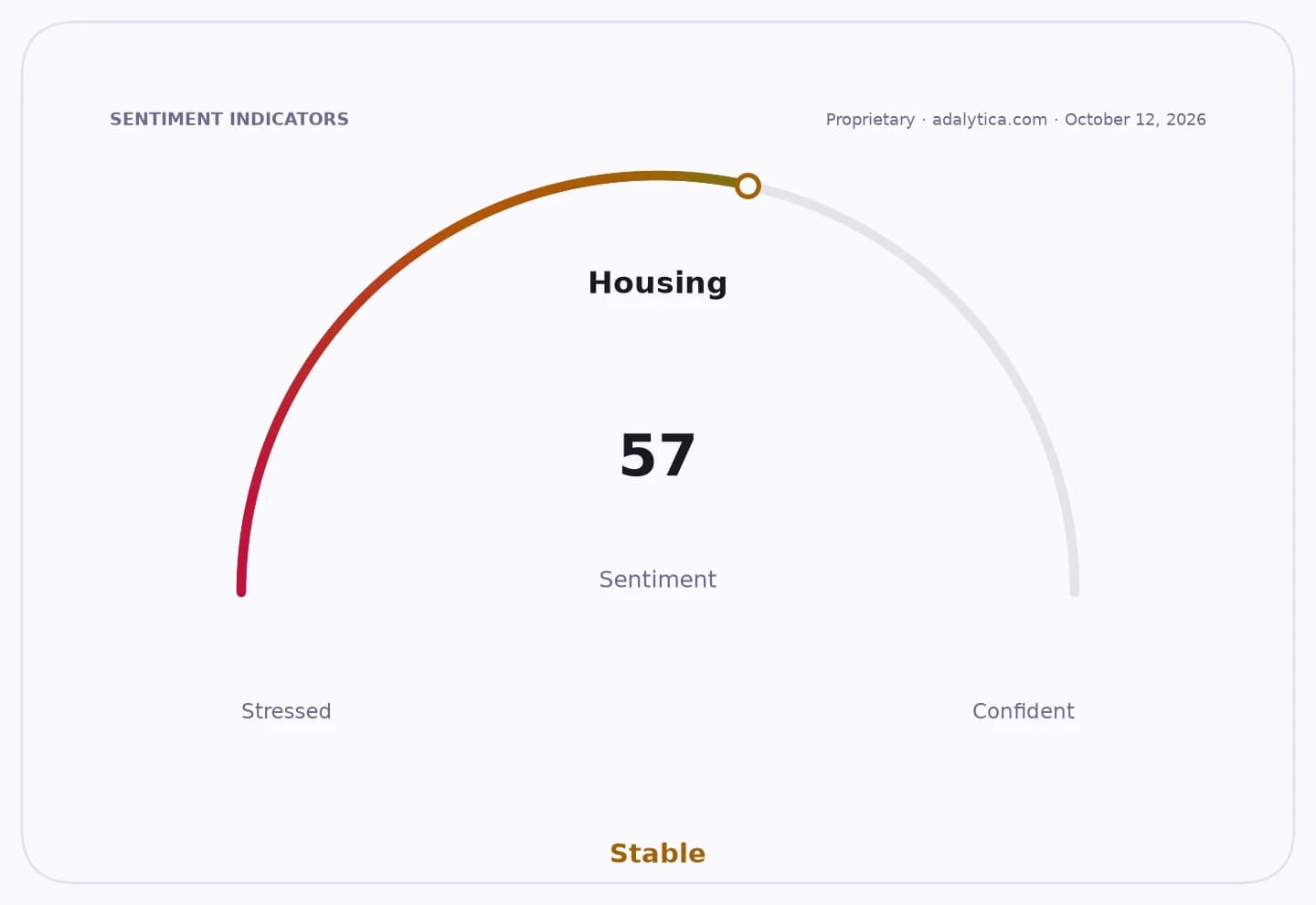
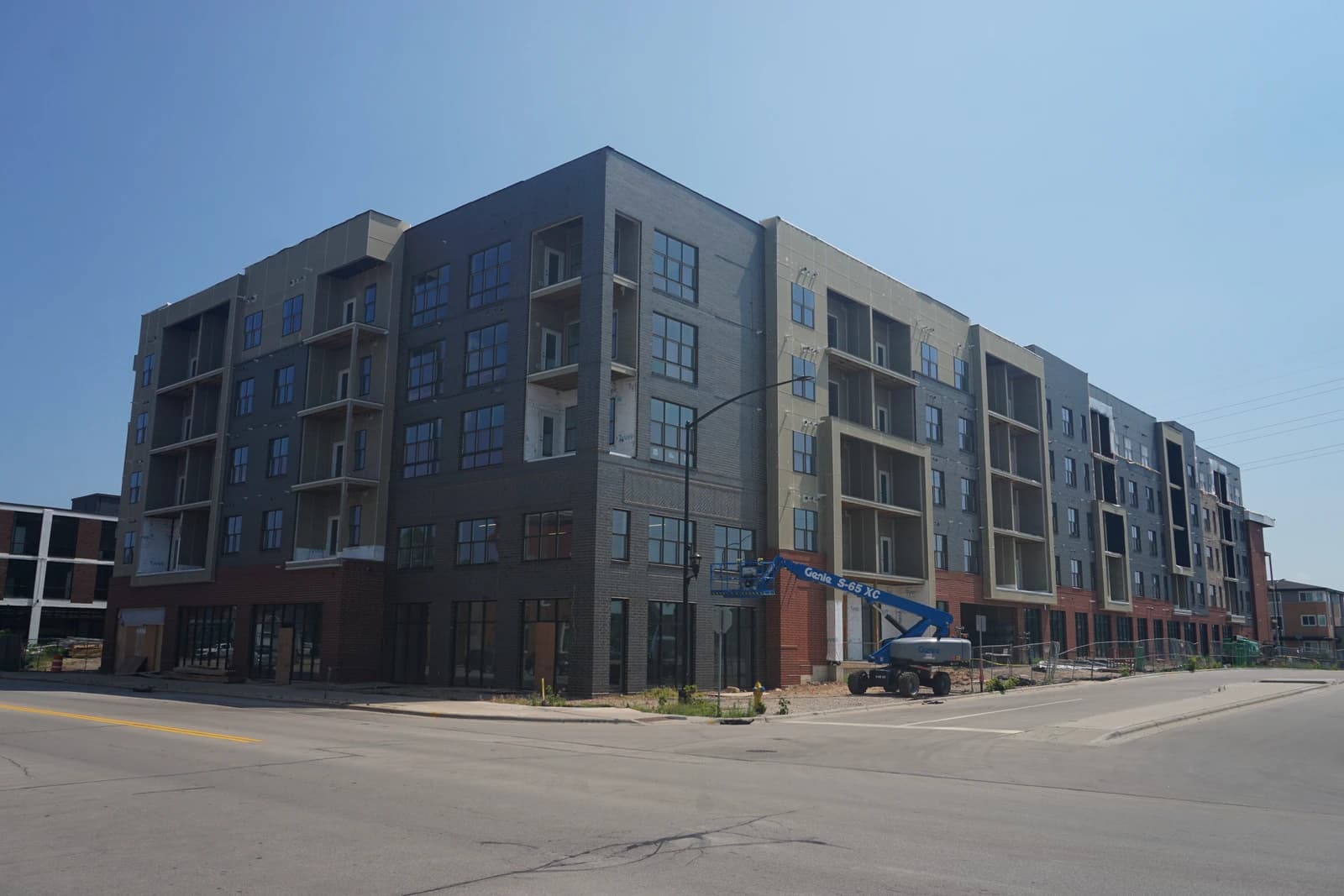
Hanoi’s Arlington social housing project is set to come to market at nearly 30 million dong per square metre, underscoring how even subsidized homes in the capital are drifting into a higher price band just as demand for affordable housing remains structurally short.
Hanoi Arlington social housing to price near 30m dong
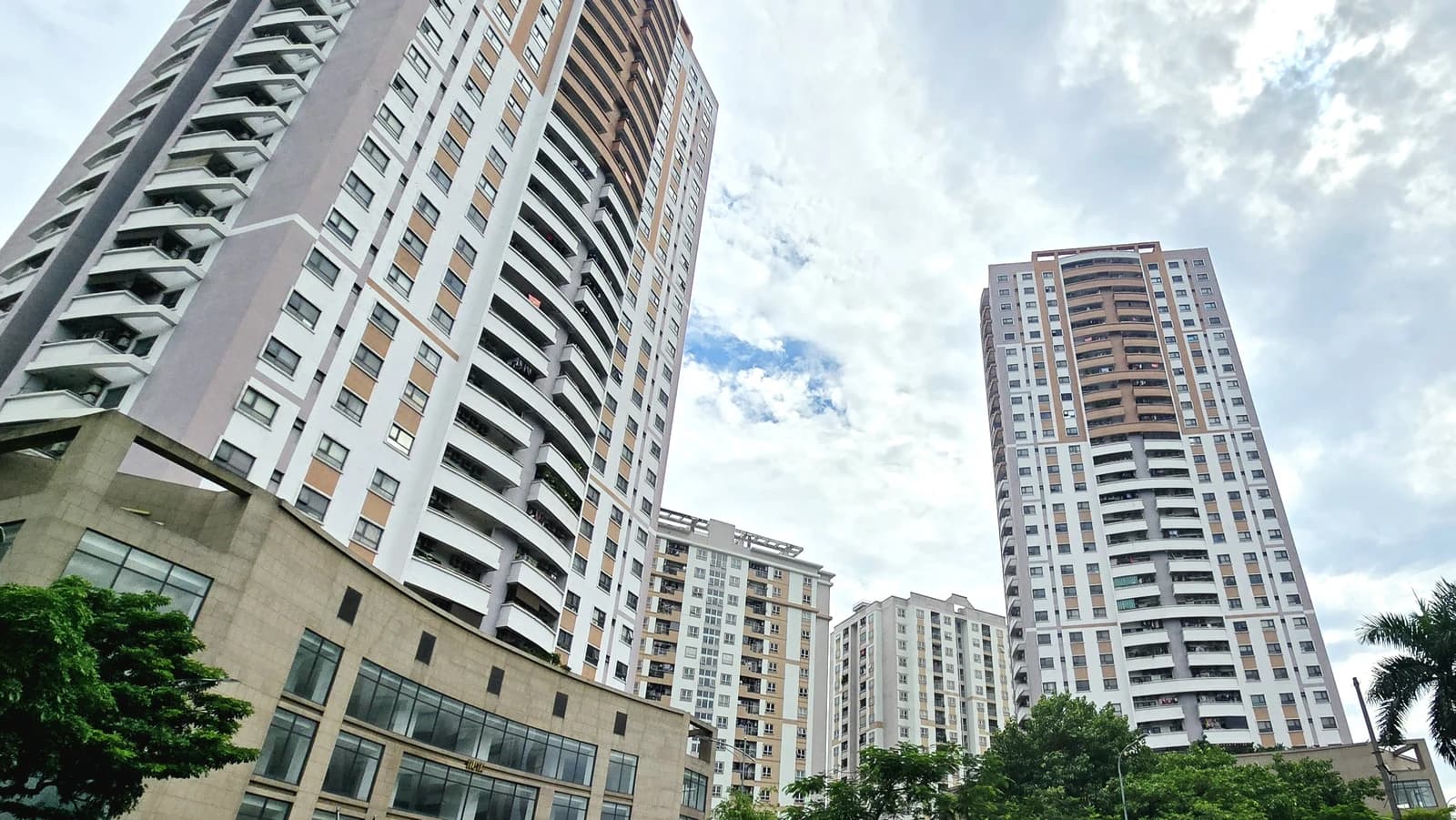
The project, developed by Hnasa in Phuc Thinh commune on the northern edge of the city, will offer 316 units for sale out of a total 352 apartments, with the rest split between rental and rent-to-own homes. At the proposed 29.7 million dong per square metre, VAT included but excluding maintenance fees, the apartments would carry total price tags of roughly 1.1 billion to 2.1 billion dong each, depending on size.
That pricing matters because it shows the pace at which Hanoi’s social housing market is being repriced upward. A few years ago, many such projects were launched below 20 million dong per square metre; now more developments are approaching the 30 million dong level, narrowing the gap with the broader apartment market and raising questions about how accessible these units remain for lower- and middle-income buyers.
For investors, developers and policymakers, the implications are clear. Higher social housing prices may improve project economics for builders facing land, construction and financing costs that have risen sharply, but they also risk limiting the very affordability that the policy is meant to deliver. That tension is becoming more acute in Hanoi, where the city has already completed 5,158 social housing units this year, above target, yet has been tasked with delivering 18,700 units in 2026.
The Arlington project is relatively small in the context of that target, but it is politically and economically relevant because it sits in the capital’s northern gateway, near National Highway 3 and about 20 kilometres from the centre. Its location, scale and pricing make it a useful gauge of how far social housing supply can stretch without losing its social purpose. The investor expects to begin taking applications in the fourth quarter and complete the project in the second quarter of 2028.
The broader market backdrop is still difficult. Hanoi has been tightening scrutiny of housing projects and reviewing land allocations, while the apartment market has seen weak sales amid high prices and borrowing costs. Against that backdrop, any social housing launch will be judged not just on whether it adds units, but on whether it can do so at a price point that genuinely reaches eligible buyers.
| Entity | Gains | Losses |
|---|---|---|
| Hnasa / Arlington project | ▲Higher unit revenue | ▼Greater affordability scrutiny |
| Eligible homebuyers | ▲New supply choice | ▼Rising entry price |
| Hanoi authorities | ▲More housing supply | ▼Pressure to keep policy affordable |
| Private apartment market | ▲Less direct competition from subsidies | ▼Fewer low-cost alternatives |