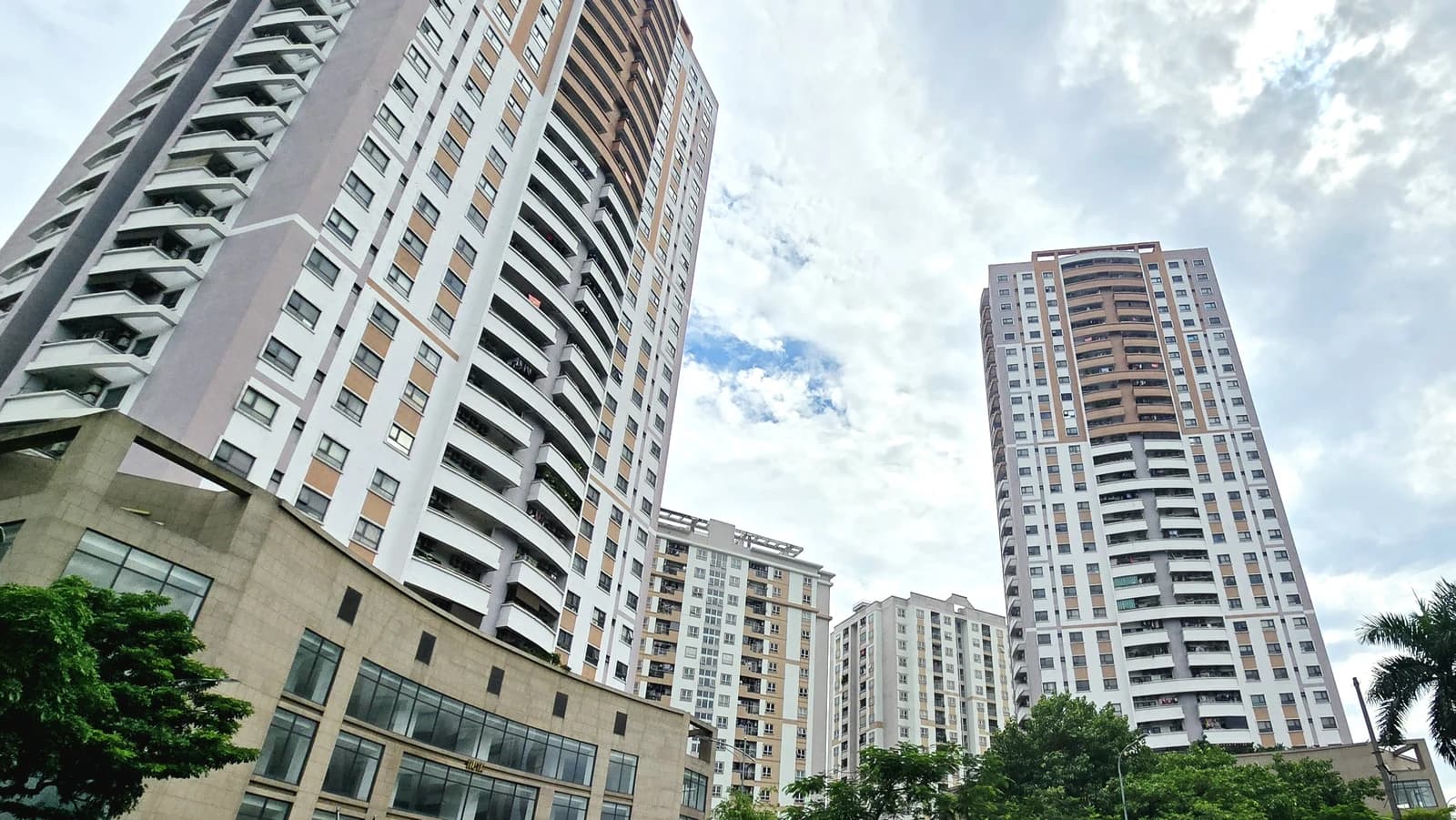
A widening gap between urban incomes and the cost of housing is pushing many young people to delay marriage and children, turning what once looked like a personal choice into a broader affordability problem for Vietnam’s cities.
Vietnam housing costs delay marriage and childbearing
The clearest economic message in the data is that paychecks are not keeping pace with the cost of living in major urban centers, especially housing. In Hanoi and Ho Chi Minh City, apartments are now commonly priced at 40 million to 50 million dong per square meter, with some projects above 100 million dong. For a typical “affordable” flat costing more than 2 billion dong, buyers are often expected to save at least 30% upfront, while also carrying monthly debt payments of 15 million to 20 million dong. That math is out of reach for many workers earning 20 million to 30 million dong a month.
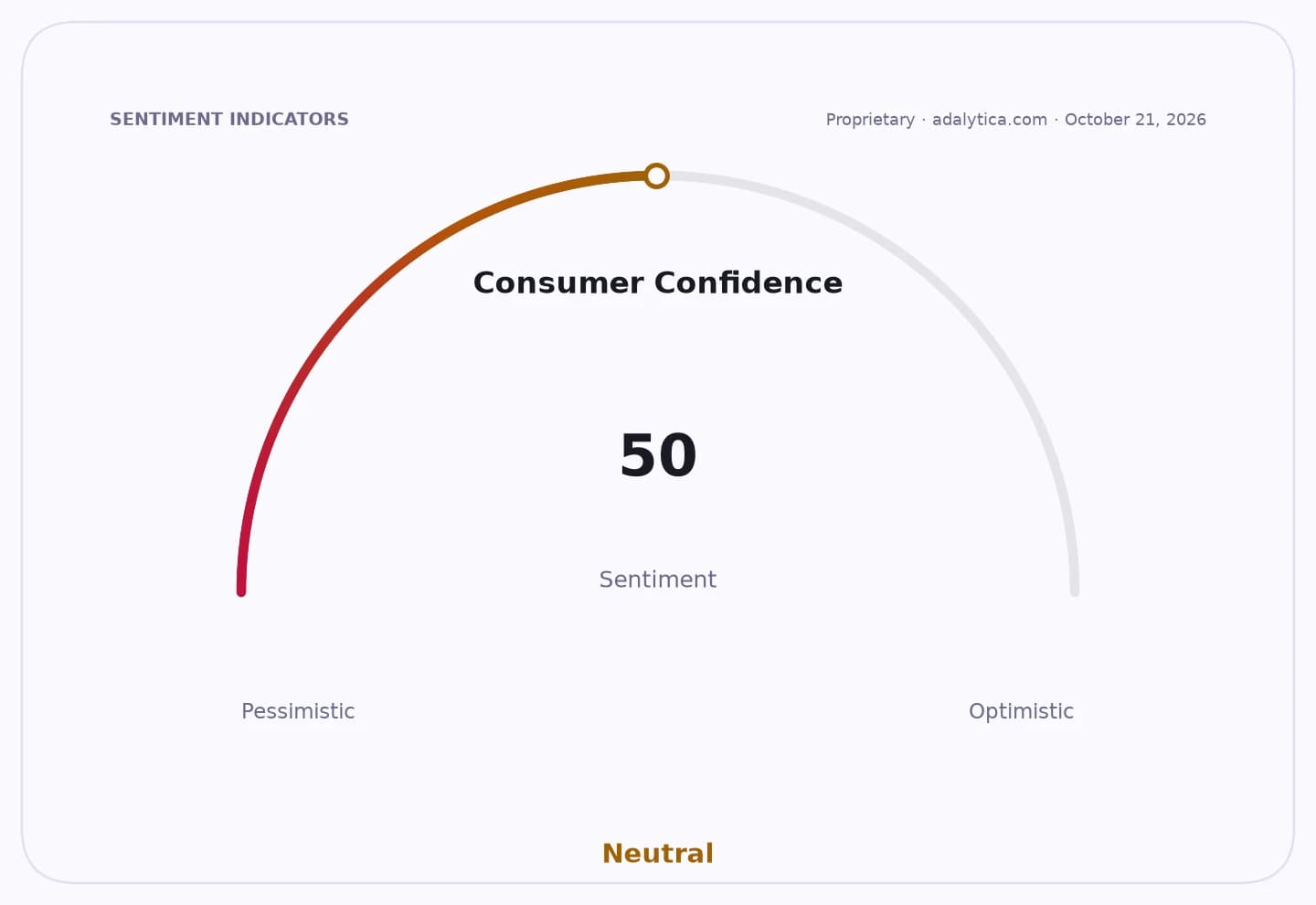
Sentiment IndicatorsⓘProprietary · adalytica.com · October 21, 2026
This is a snapshot — live sentiment, awareness and momentum for 130+ markets update continuously in the dashboard.Open AlphaPulse
That pressure is showing up directly in family formation decisions. The Ministry of Health’s population survey found 31.4% of single respondents do not want to marry and 27.1% are hesitant about having children. The trend is consistent with the experience of urban workers who say rent, food, transport and social obligations consume most of their income before any savings can build. One IT worker earning about 20 million dong a month said rent and daily expenses leave little room to imagine buying a home in the next few years, while a young accountant earning 10 million dong a month said even renting long term would absorb 6 million to 7 million dong, before basic living costs and the expenses of raising a child.
For investors, the story matters because housing affordability is no longer just a social issue; it is shaping demand across consumer, rental and property markets. A prolonged delay in marriage and childbearing reduces household formation, slows demand for larger homes, and can weaken spending on everything from furniture to education and healthcare. It also points to a structural split in the housing market, where high-end supply continues to rise while young urban buyers remain priced out. That is supportive for landlords and developers targeting premium segments, but it leaves affordable housing providers and policymakers under pressure to expand supply.
The narrative extends beyond Vietnam. The same affordability squeeze is visible in other cities, where policymakers are trying to protect low-cost housing stock and expand rental options for younger residents. That broader backdrop suggests the issue is not a short-lived cyclical slowdown, but a structural mismatch between urban wages, housing prices and the cost of starting a family.
For markets, the key question is whether governments can make housing cheaper to rent or buy before demographic restraint becomes entrenched. If they cannot, delayed marriage and lower birth rates could become a lasting drag on consumption, labor supply and long-term growth.
| Entity | Gains | Losses |
|---|---|---|
| High-end landlords | ▲Stronger pricing power | ▼Lower affordability for tenants |
| Affordable housing developers | ▲Policy support, demand tailwind | ▼Margin pressure |
| Young urban workers | ▲More time to save | ▼Delayed marriage, weaker financial security |
| Policymakers | ▲Incentive to reform housing supply | ▼Demographic stress, social pressure |