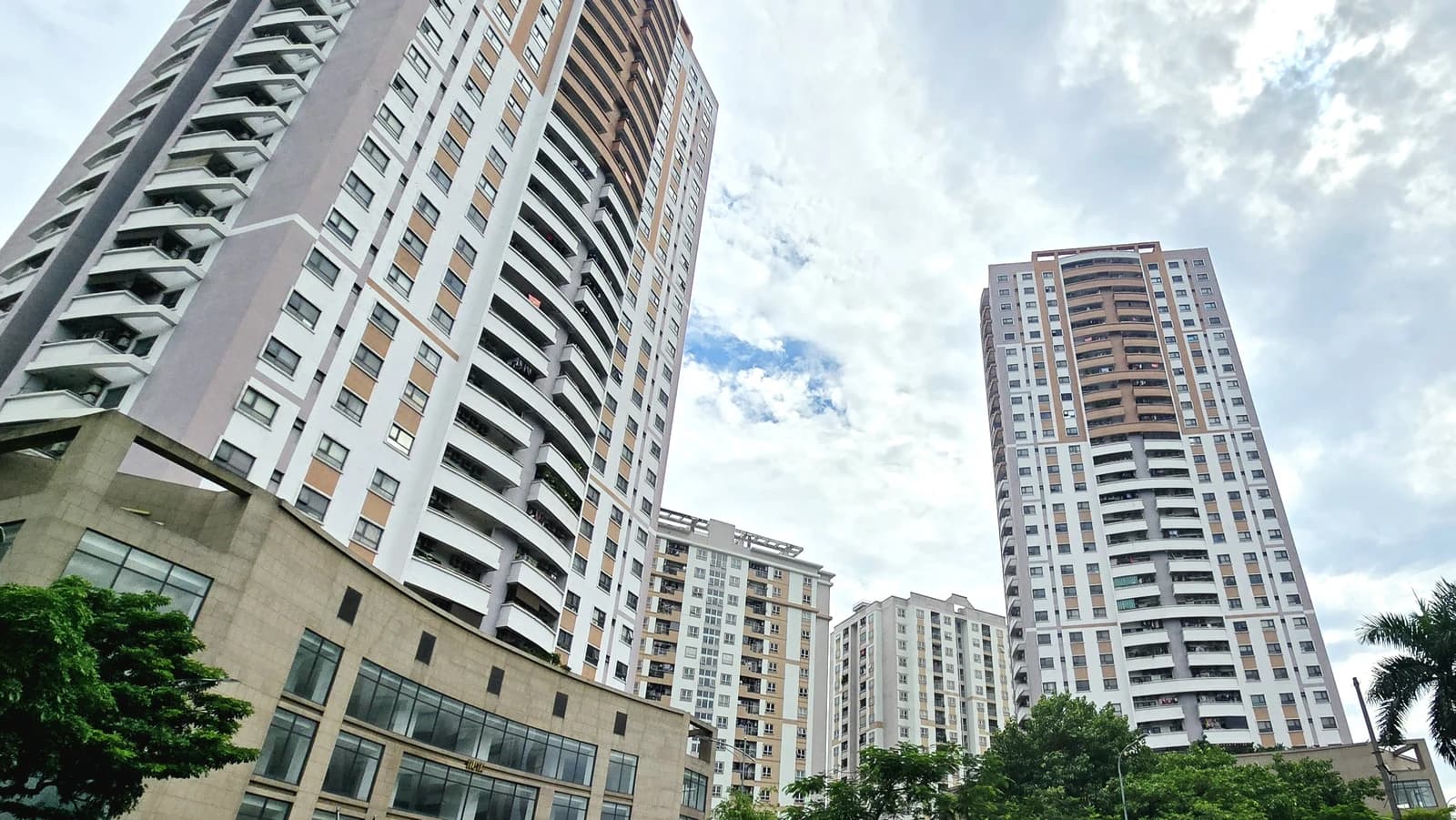
A young Vietnamese couple who spent more than 5 billion dong on a 30-square-meter house now faces the prospect of losing most of its value after the property was flagged for possible clearance only seven months after purchase.
Vietnam house buyer faces loss after clearance notice
The case has struck a nerve because it highlights a costly mismatch between Vietnam’s fast-moving property market and the country’s planning and land-compensation regime. In the scenario described, the owners still owe more than half the purchase price, including bank debt, yet expected compensation could be only a little over 1 billion dong if the site is taken for redevelopment. That would leave them absorbing a potential paper loss of more than 4 billion dong, even before accounting for loan repayments and transaction costs.
For investors and lenders, the issue is broader than one family’s bad timing. It underlines how planning risk can overwhelm nominal property gains in urban Vietnam, where land values can be bid up well ahead of official clearance or infrastructure announcements. When compensation is based on state schedules rather than market prices, owners can be left with an asset that is suddenly illiquid, restricted in use and worth far less than the amount paid.
The problem is especially acute in areas facing “treo” or suspended planning, where land can be trapped for years in a regulatory limbo. Owners may be unable to build, renovate or transfer freely, while still carrying mortgage obligations. That combination can pressure household balance sheets, weaken confidence in residential property as a store of wealth and complicate banks’ collateral assessments.
The case also points to a structural weakness in due diligence. Buyers are being told to verify planning at local land offices and not rely on brokers or online tools, but even that may not be enough if authorities issue new project decisions after a purchase has already been made. That timing risk makes the market more opaque and raises the chance of disputes over disclosure, compensation and legal responsibility.
For the housing market, the practical consequence is a wider gap between asking prices and realizable value. If more buyers conclude that planning risk can wipe out capital gains, demand for marginal urban plots and older homes in redevelopment zones could cool. Conversely, well-located properties with clean legal status may command a premium as buyers become more selective.
The next catalyst will be how local authorities implement planning maps, compensation formulas and public disclosure. If compensation remains far below market prices, the financial pain from land clearance will keep falling on households rather than being shared through the market. For now, the lesson for buyers is blunt: in Vietnam’s property market, location alone is not enough if the land is already on the planning map.
| Entity | Gains | Losses |
|---|---|---|
| Homebuyers with clear legal title | ▲Greater price certainty | ▼Less upside from speculative bidding |
| Homebuyers in planned-clearance zones | ▲Potential compensation windfall if rules improve | ▼Big capital loss and debt stress |
| Banks and mortgage lenders | ▲Stronger demand for due diligence | ▼Higher collateral and repayment risk |
| Developers and local authorities | ▲Easier land assembly for projects | ▼More scrutiny over planning disclosure |