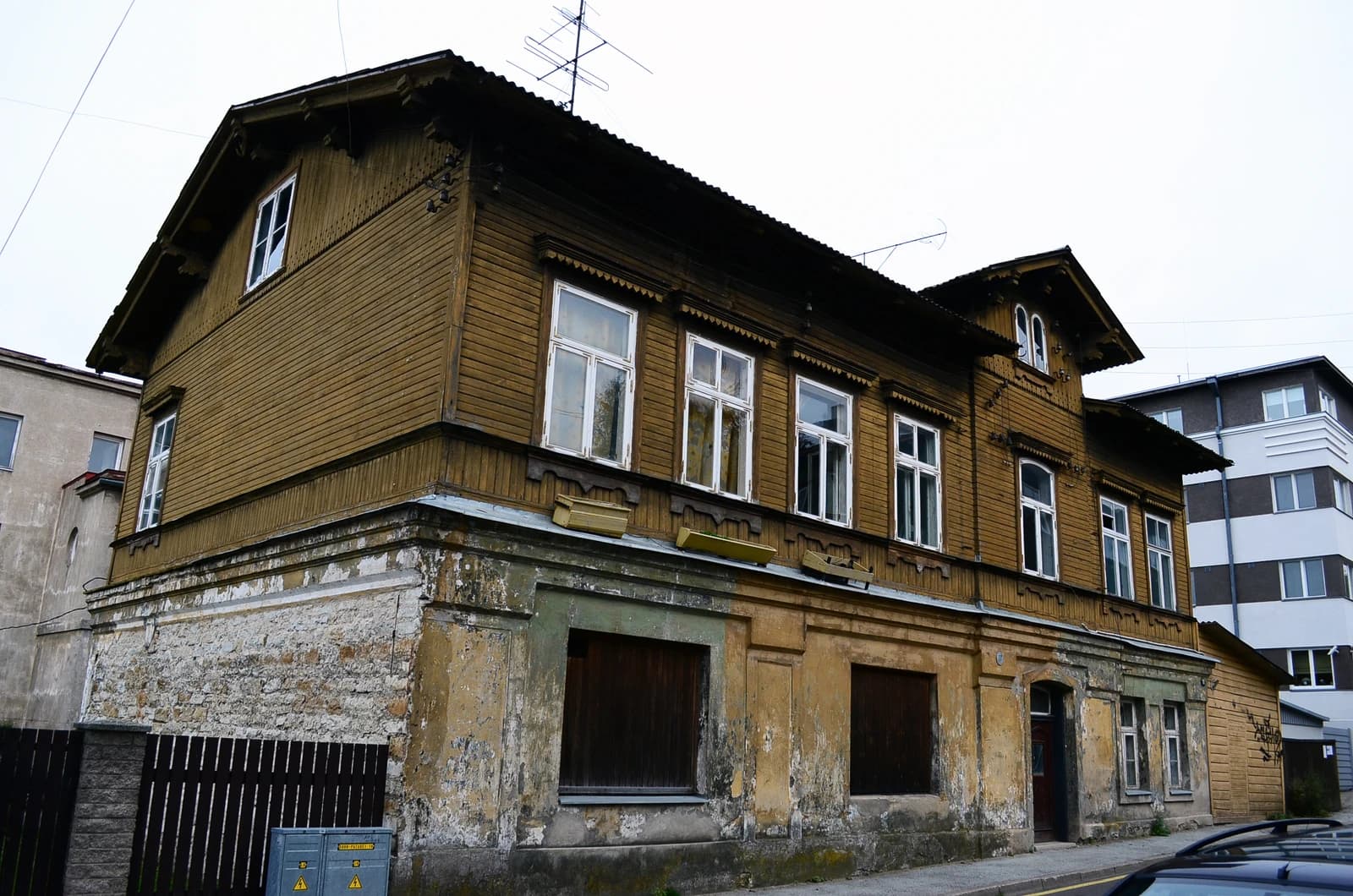
Creditors have approved the sale of Villa Franck in Murrhardt, clearing the most important hurdle in a three-year search for a new owner and putting one of the town’s best-known historic properties on track for a transfer that could unlock fresh investment.
Villa Franck sale approved by creditors
The decision matters because it moves the asset out of limbo. For a property of this type, a creditor-backed sale is often the difference between stagnation and rehabilitation: it can preserve value, stop further deterioration and give a buyer the confidence to spend on restoration, redevelopment or a new use.
Villa Franck has been without a clear future for about three years, underscoring how hard it can be to place older, high-maintenance heritage buildings in a market where financing is tighter and construction costs remain elevated. Even where local demand exists, buyers for landmark real estate typically have to weigh renovation costs, zoning constraints and long payback periods against limited immediate cash flow.
The sale also speaks to a broader property market still balancing demand with caution. The latest regional listing data show an active market with homes and investment properties changing hands, but also a wide spread in pricing and availability, suggesting buyers are selective rather than indiscriminate. In that environment, an asset like Villa Franck is likely to attract a narrower pool of investors: those with patient capital, a redevelopment plan or a public-facing use such as hospitality, culture or offices.
For creditors, the approval reduces uncertainty and raises the prospect of recovering value from an asset that might otherwise have remained frozen. For the town, it improves the odds that the villa will not continue to sit as an unresolved balance-sheet item and physical eyesore. For investors, the key question is whether the eventual buyer can finance not just the acquisition but the work needed to make the property economically viable.
What happens next will determine whether the transaction becomes a rescue story or just another transfer of ownership. The critical phase now is execution: final sale completion, identification of the buyer and the first signals on how much capital will be committed to the property’s future use.
| Entity | Gains | Losses |
|---|---|---|
| Creditors | ▲Higher recovery chance | ▼Ongoing holding risk ends slowly |
| New buyer | ▲Control of landmark asset | ▼Large renovation burden |
| Murrhardt community | ▲Reduced vacancy uncertainty | ▼Delayed redevelopment if buyer hesitates |
| Competing local properties | ▲More attention to heritage assets | ▼Less scarcity premium if sale underprices |