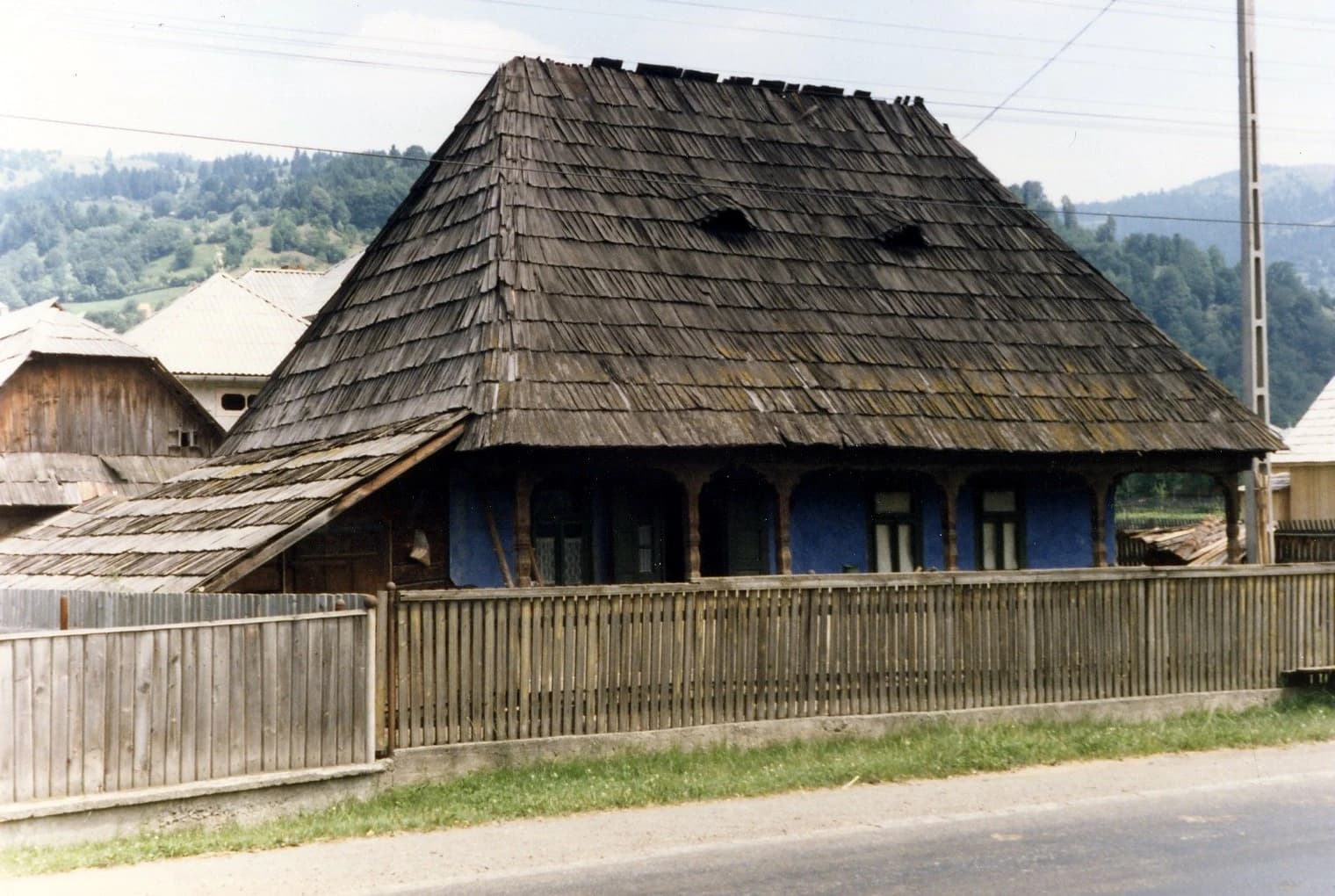
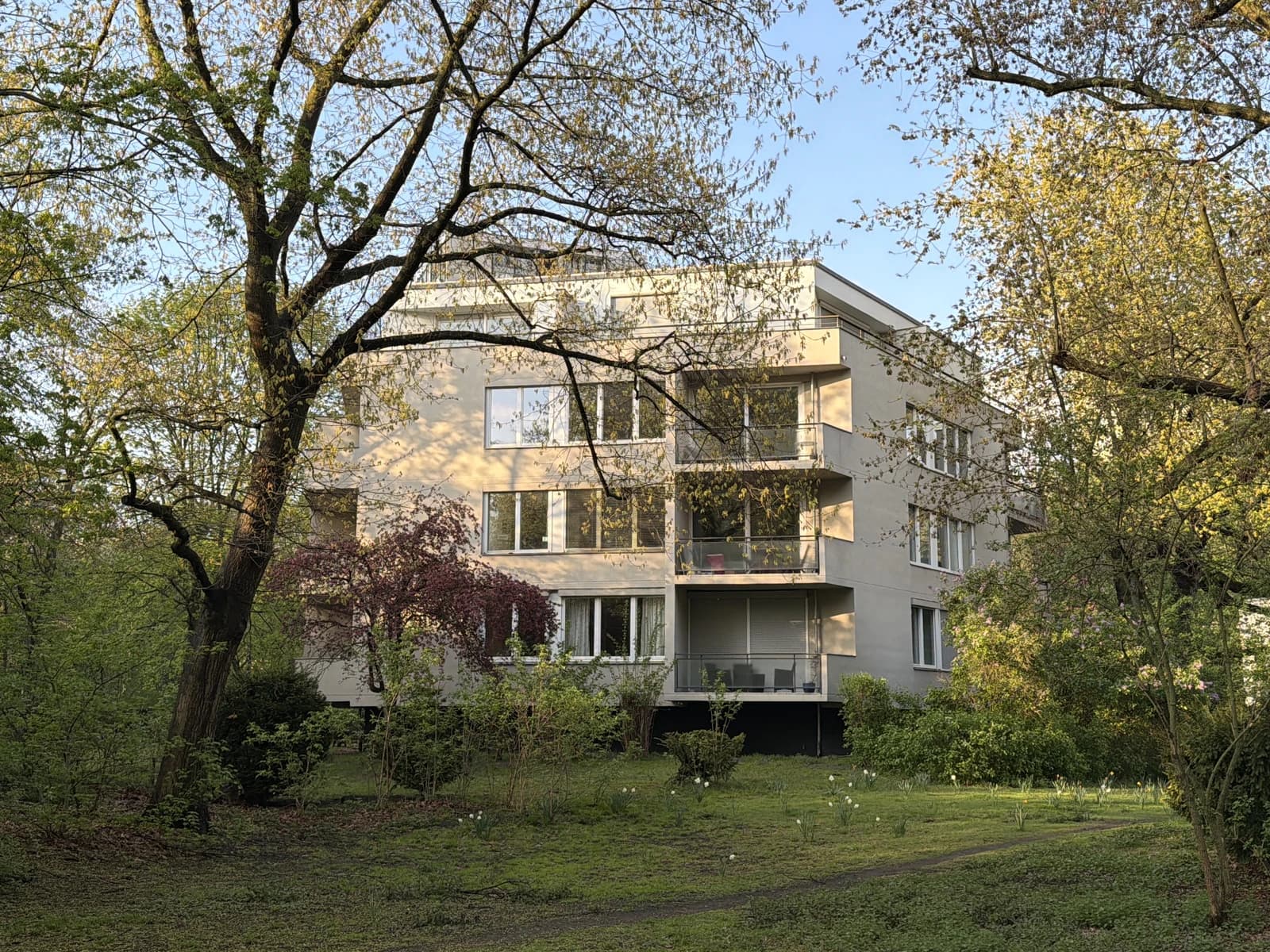
A fresh batch of low-priced homes in Poland’s Bieszczady Mountains is underscoring how rural real estate is increasingly being marketed as a lifestyle purchase rather than just a place to live.
Poland's Bieszczady Homes Attract Lifestyle Buyers
The draw is economic as much as emotional. For buyers priced out of city housing, especially in larger urban markets, the appeal of the Bieszczady region lies in a rare combination of lower entry prices, scenic value and the possibility of using a property as a weekend retreat, rental asset or long-term escape from urban living. That makes the cheapest homes in the area more than a curiosity: they are a window into how demand is shifting toward secondary and peripheral markets.
The data backdrop points to a market where sentiment around housing is running hot even as awareness remains low. Adalytica’s Housing Fear & Greed Index for XHB shows sentiment at 100, or “Extreme Greed,” with a 30-day rise of 38 points, while awareness remains at just 4, or “Extreme Fear.” That combination typically suggests a market where buyers are chasing opportunity faster than the broader public is tracking it, a dynamic that can support prices in niche segments such as rural and recreational property.
The Bieszczady story fits that pattern. Local media in Podkarpackie has been highlighting homes, homesteads and mountain properties for sale, alongside articles aimed at readers looking for an escape from the city. The region’s tourism pull matters because it creates a second layer of demand: buyers are not just comparing square meter costs, but also the income potential from short-term letting, the attractiveness of the landscape and the long-term desirability of owning land in a protected, scenic area.
For sellers, that is a tailwind. Remote and mountain properties that once appealed mainly to locals or retirees can now be packaged for a wider audience of urban households, remote workers and investors looking for alternative real estate exposure. For buyers, the opportunity is more mixed. Cheap listings can still require renovation, may sit farther from infrastructure and may not translate into easy resale liquidity if the market turns. In a segment where emotion often outruns fundamentals, the cheapest asking prices can be as much a warning as an attraction.
The broader implication is that Poland’s rural housing market is no longer just a backwater to the urban cycle. As affordability pressures persist in cities and lifestyle demand remains firm, regions such as the Bieszczady Mountains are increasingly part of the national housing conversation. The key question for investors and buyers alike is whether these low-cost homes represent enduring value or simply the next phase of a crowded chase for scenic property.
| Entity | Gains | Losses |
|---|---|---|
| Bieszczady home sellers | ▲Wider buyer pool | ▼Bargaining power |
| Urban buyers | ▲Lower entry prices | ▼Renovation risk |
| Rural tourism landlords | ▲Rental demand | ▼Limited liquidity |
| City housing markets | ▲Less pressure at the margin | ▼No relief from affordability crisis |