Victoria’s industrial and outer-suburban hubs are emerging as the country’s best bets for buyers priced out of inner-city “snob” markets, even as housing stress worsens and confidence remains fragile across much of Australia.
Victoria blue-collar suburbs gain as housing stress rises
The latest snapshot of the housing market points to a sharp split between prestige locations and the more practical, lower-cost suburbs where blue-collar households can still find relative value. That matters because affordability has become the dominant constraint on demand: many households can no longer absorb even a $20-a-week rise in rent or mortgage costs without cutting back on essentials, and that pressure is reshaping where Australians can buy, rent and invest.
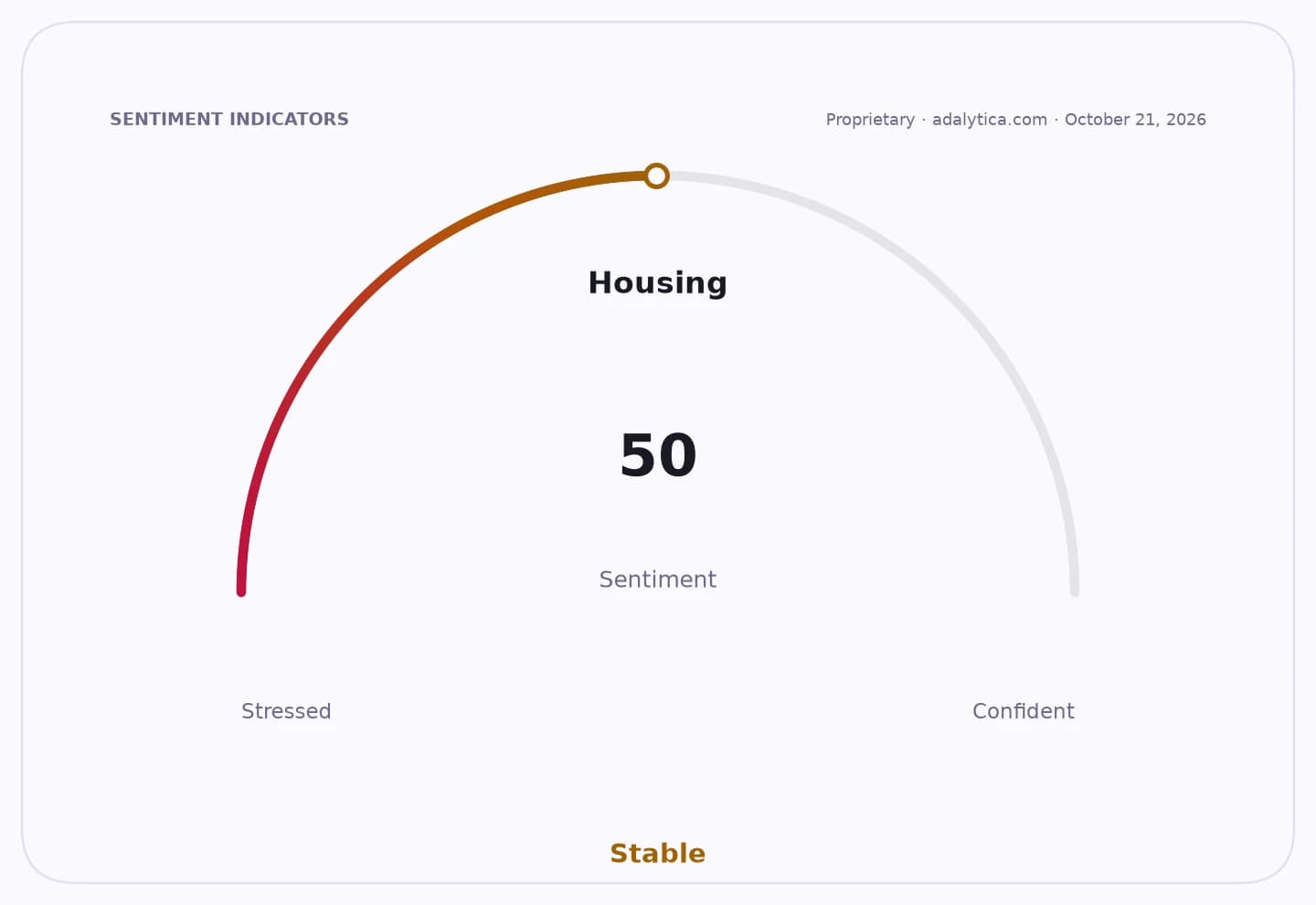
Sentiment IndicatorsⓘProprietary · adalytica.com · October 21, 2026
This is a snapshot — live sentiment, awareness and momentum for 130+ markets update continuously in the dashboard.Open AlphaPulse
The narrative is not just that cheaper suburbs are cheaper. It is that the affordability crisis is changing buyer behaviour at the margin and, increasingly, at the national level. Areas with stronger exposure to working-class employment, larger lot housing and less speculative bidding are becoming the pressure valves in a market where inner-ring “aspirational” locations are out of reach for many first-home buyers and upgraders.
That helps explain why Victoria’s blue-collar hubs are attracting attention. They sit closer to the part of the market where fundamental demand still exists: households with incomes too stretched for premium postcodes, but still determined to buy rather than remain in rental stress. For investors, that can support turnover and rental demand even when broader sentiment is weak. For sellers in pricier districts, it underscores how quickly affordability can cap growth.
The strain is visible in the broader housing backdrop. Reports of rent and mortgage distress, cramped living conditions and disputes over everyday expenses all point to a consumer base under pressure. Falling house prices in parts of South Australia have not been enough to draw buyers back with conviction, a reminder that lower prices alone do not restore confidence when wages, borrowing costs and household budgets remain tight.
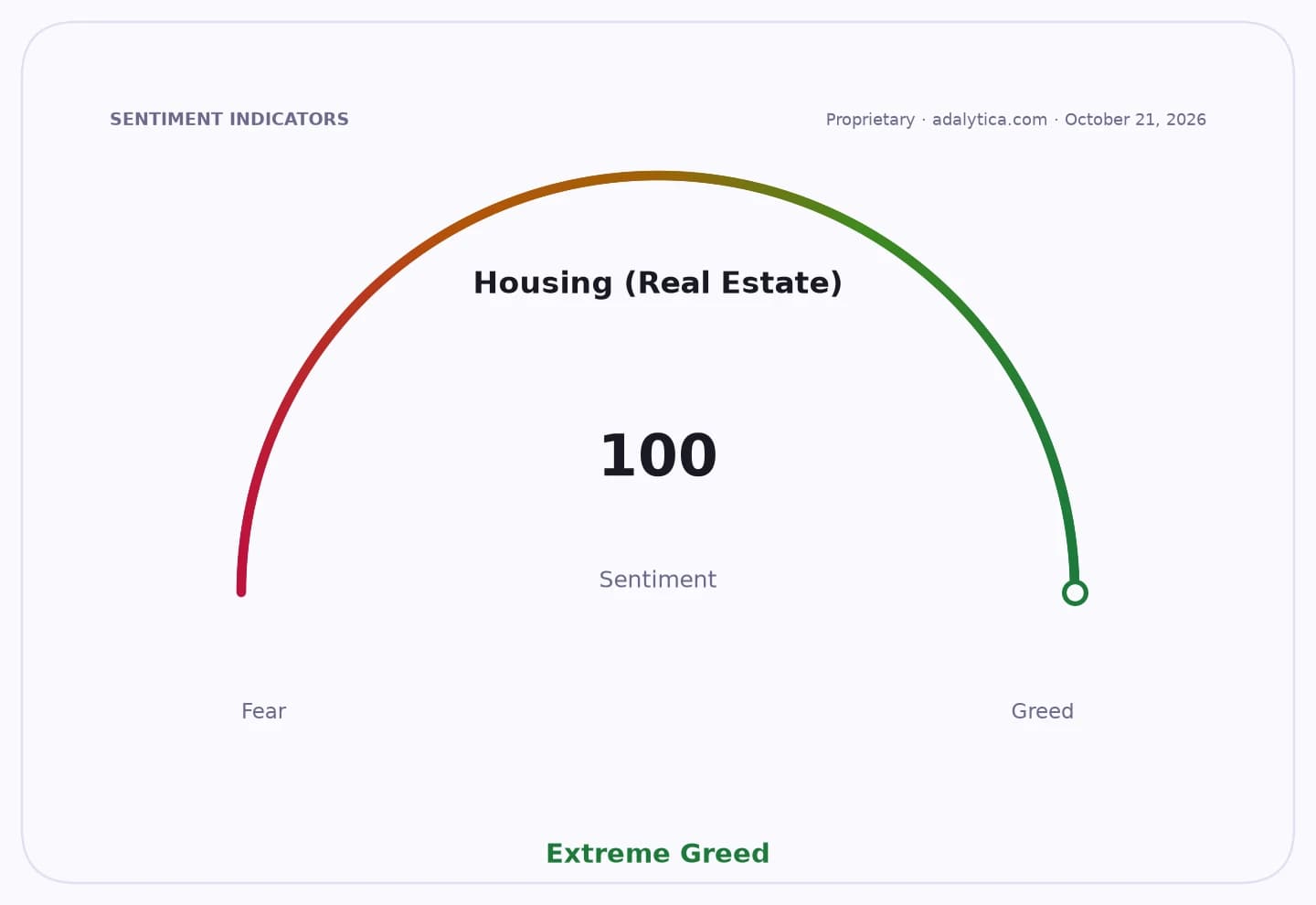
Adalytica’s Housing Fear & Greed Index shows sentiment at extreme greed, but awareness remains in extreme fear, highlighting a market that is active yet uneasy rather than broadly healthy. Conventional technical indicators on the U.S.-listed homebuilder ETF XHB also suggest a market still under strain: the fund is below both its 50-day and 200-day moving averages, even after a modest rebound from recent lows. That combination points to a sector where rallies may still be vulnerable if affordability stays stretched.
For investors, the implication is straightforward: the next phase of housing demand is likely to favour affordability, employment stability and family-sized stock over prestige and speculative scarcity. Blue-collar suburbs in Victoria are benefiting from that rotation now, but the bigger question is whether policy, wages and borrowing costs can improve fast enough to turn relative value into durable demand.
| Entity | Gains | Losses |
|---|---|---|
| Victoria blue-collar hubs | ▲Relative affordability demand | ▼Prestige postcodes |
| First-home buyers | ▲Lower entry points | ▼Inner-city buyers |
| Landlords in affordable suburbs | ▲Steady tenant demand | ▼Owners of expensive stock |
| Housing policymakers | ▲Pressure to act | ▼Households facing stress |