Friends are increasingly buying property together because elevated borrowing costs and stubborn affordability pressures have made it harder for single buyers and even couples to get into the market, turning co-ownership from a niche arrangement into a practical response to a global housing squeeze.
Housing co-ownership grows as mortgage rates stay high
The economic significance is straightforward: when mortgage rates stay high, the pool of buyers who can qualify shrinks, transaction volumes weaken, and households are forced to improvise. In the U.S., the 10-year Treasury yield is still around 5.1%, keeping mortgage rates elevated and crimping demand across the housing chain. That has helped leave existing home sales at roughly a 30-year low, according to OpenDoor’s filing, while publicly listed housing platforms and lenders are feeling the strain in their shares.
Sentiment IndicatorsⓘProprietary · adalytica.com · October 21, 2026
This is a snapshot — live sentiment, awareness and momentum for 130+ markets update continuously in the dashboard.Open AlphaPulse
The Australian backdrop is similar. After the pandemic-era cash rate fell to 0.1%, house prices jumped by $120,000 nationally in less than 18 months, locking out many would-be buyers. The result is a market where sharing ownership, splitting deposits and co-signing mortgages are no longer just lifestyle choices — they are survival tactics for the middle class. The latest housing-price data still points to a market that remains expensive, with prices far above pre-pandemic levels.
For investors, that matters because the housing affordability crunch reshapes where the money flows. Traditional mortgage originators and online real estate platforms can benefit if co-buying keeps some transactions alive, but they also face lower turnover and thinner deal flow if high rates suppress the broader market. Rocket Companies has seen its stock fall to around $11.25 from above $20 earlier in the period shown, while Zillow has dropped to about $32 from above $70, reflecting how quickly the market has punished housing-adjacent names as affordability worsened.
The more interesting trade may be in the second-order winners. If buyers increasingly pool capital to get into homes, that supports demand for transaction services, mortgage technology, title, settlement and agent platforms even in a slow market. It also reinforces the case for builders focused on affordability, such as Lennar and D.R. Horton, which are leaning on incentives and mortgage-rate buydowns to keep sales moving. The market underestimates how persistent this affordability reset could be.
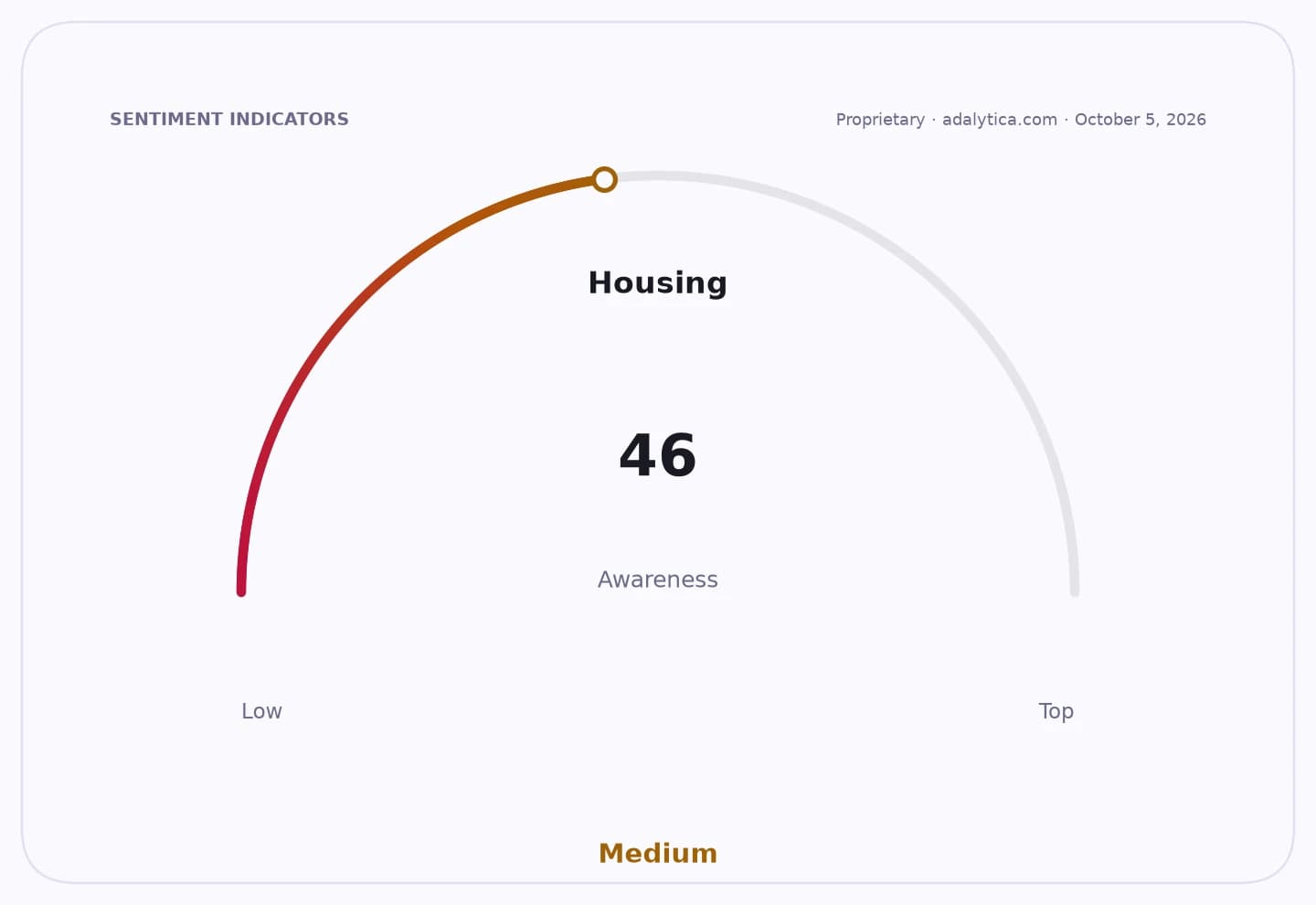
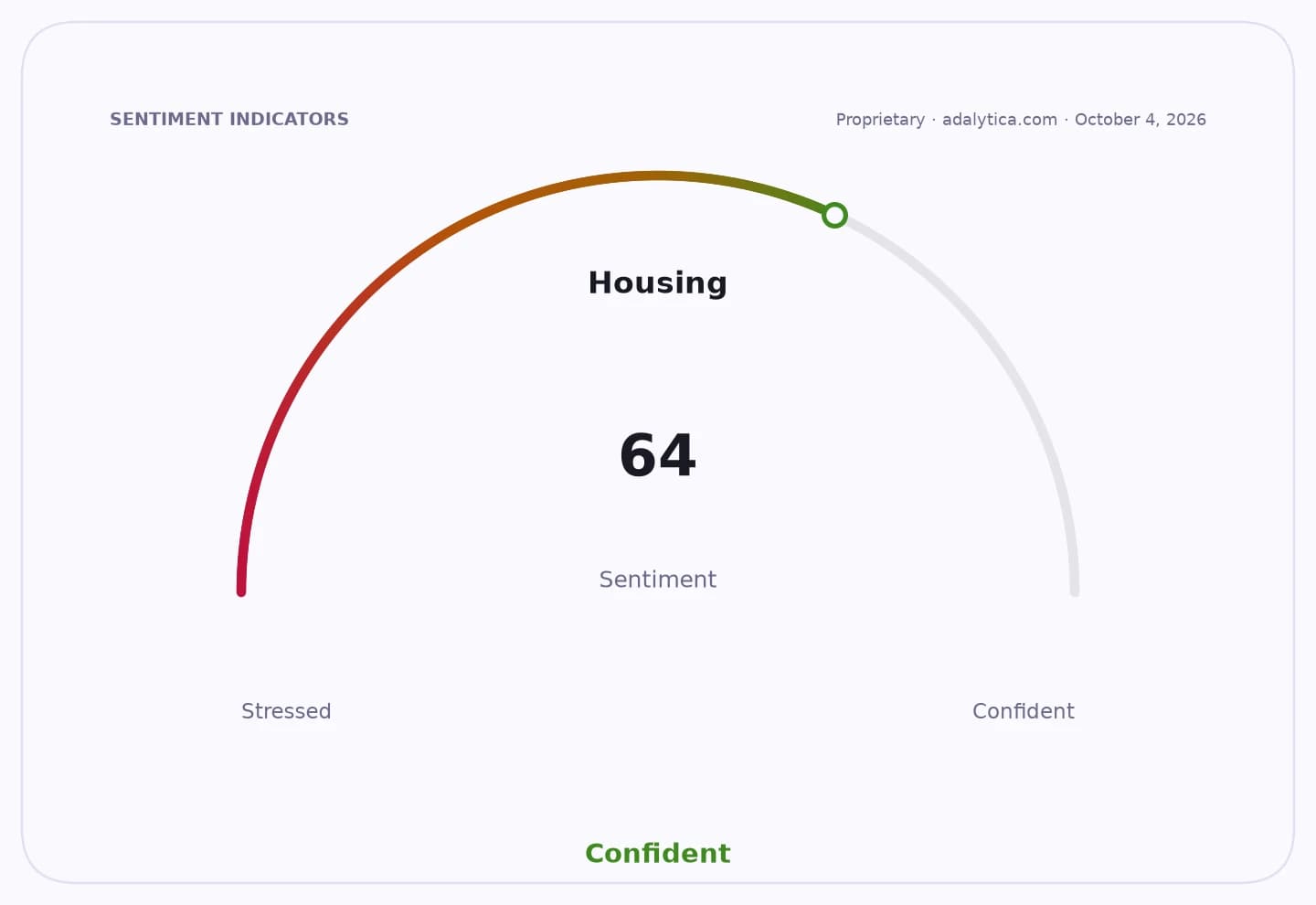
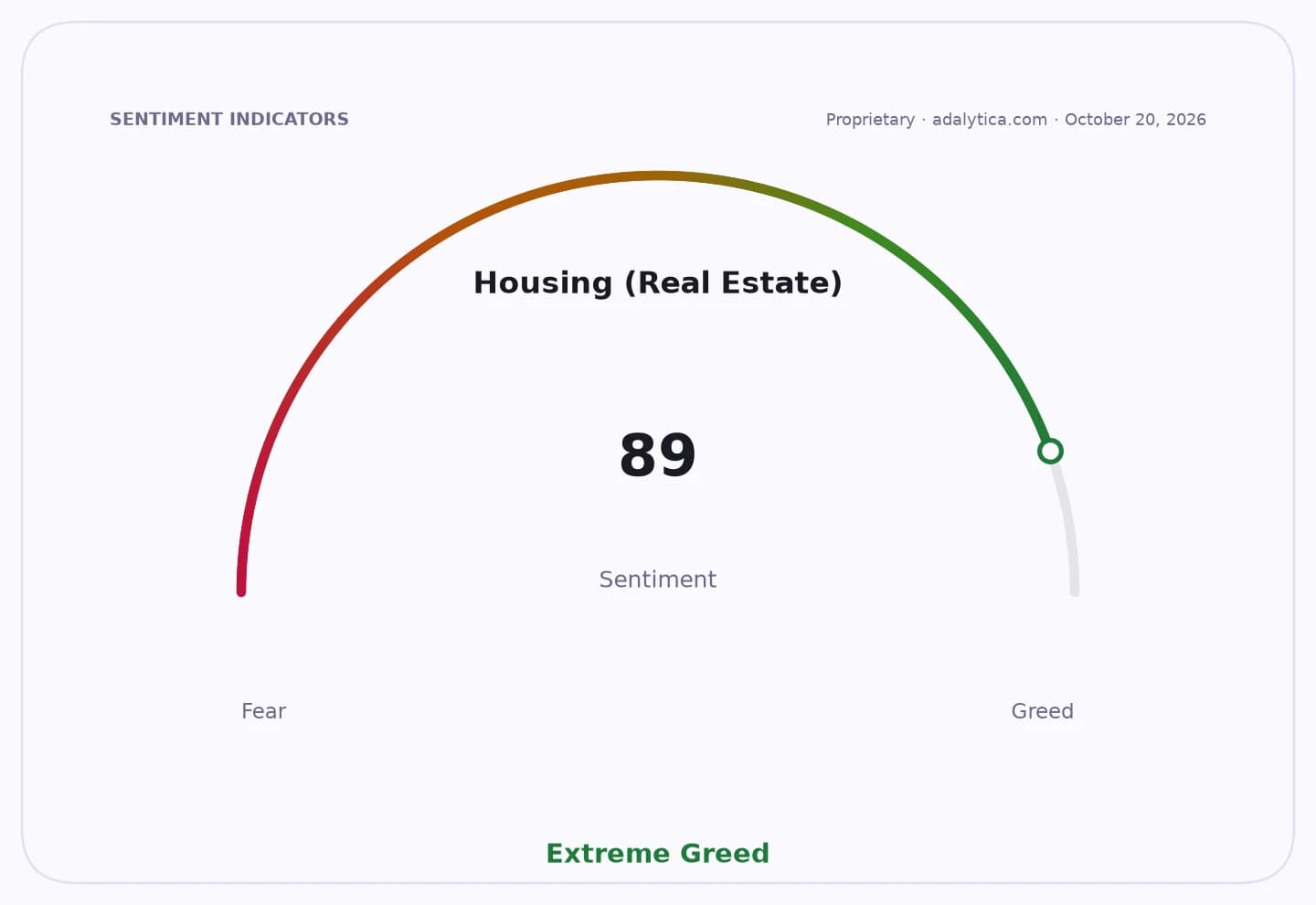
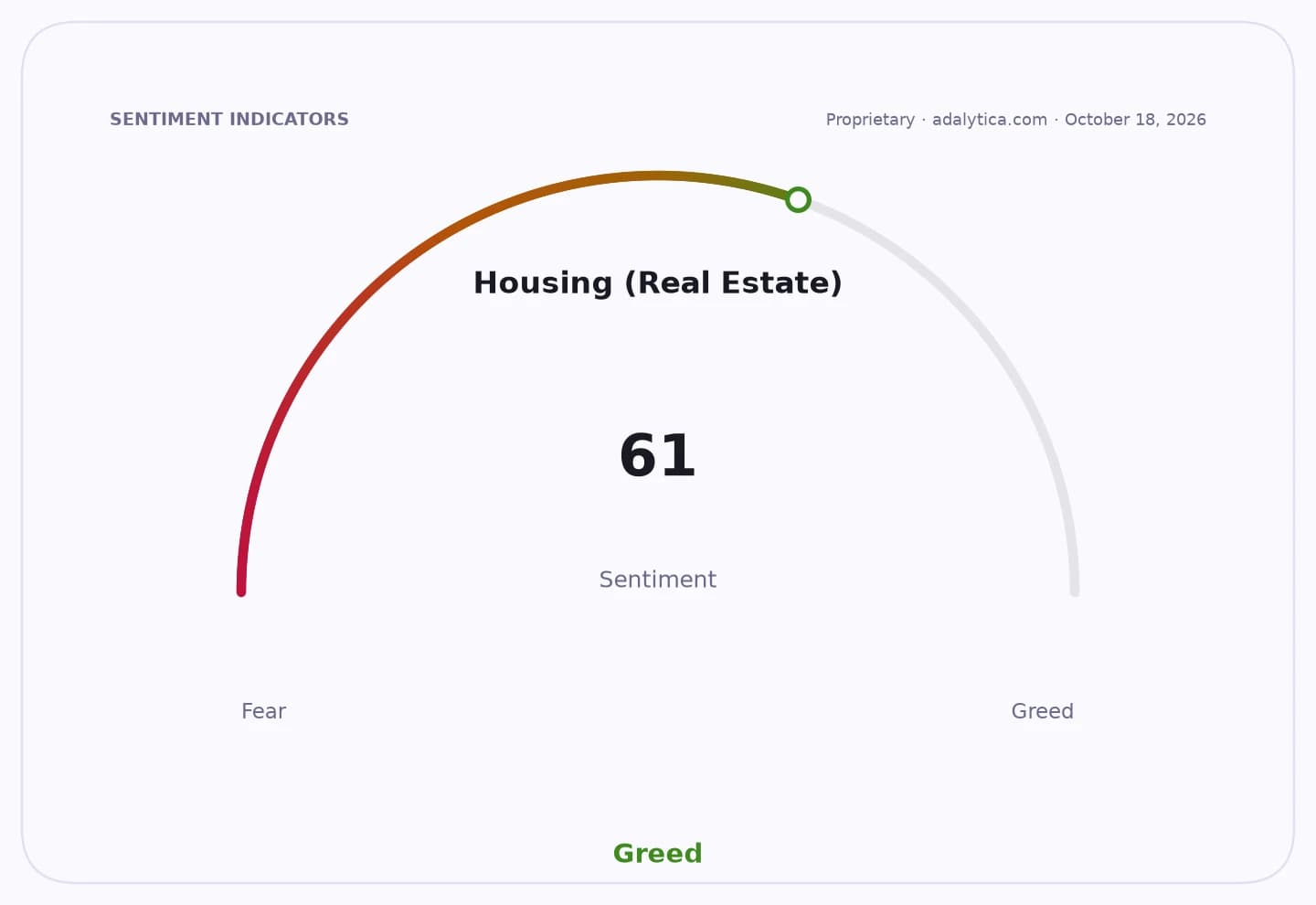
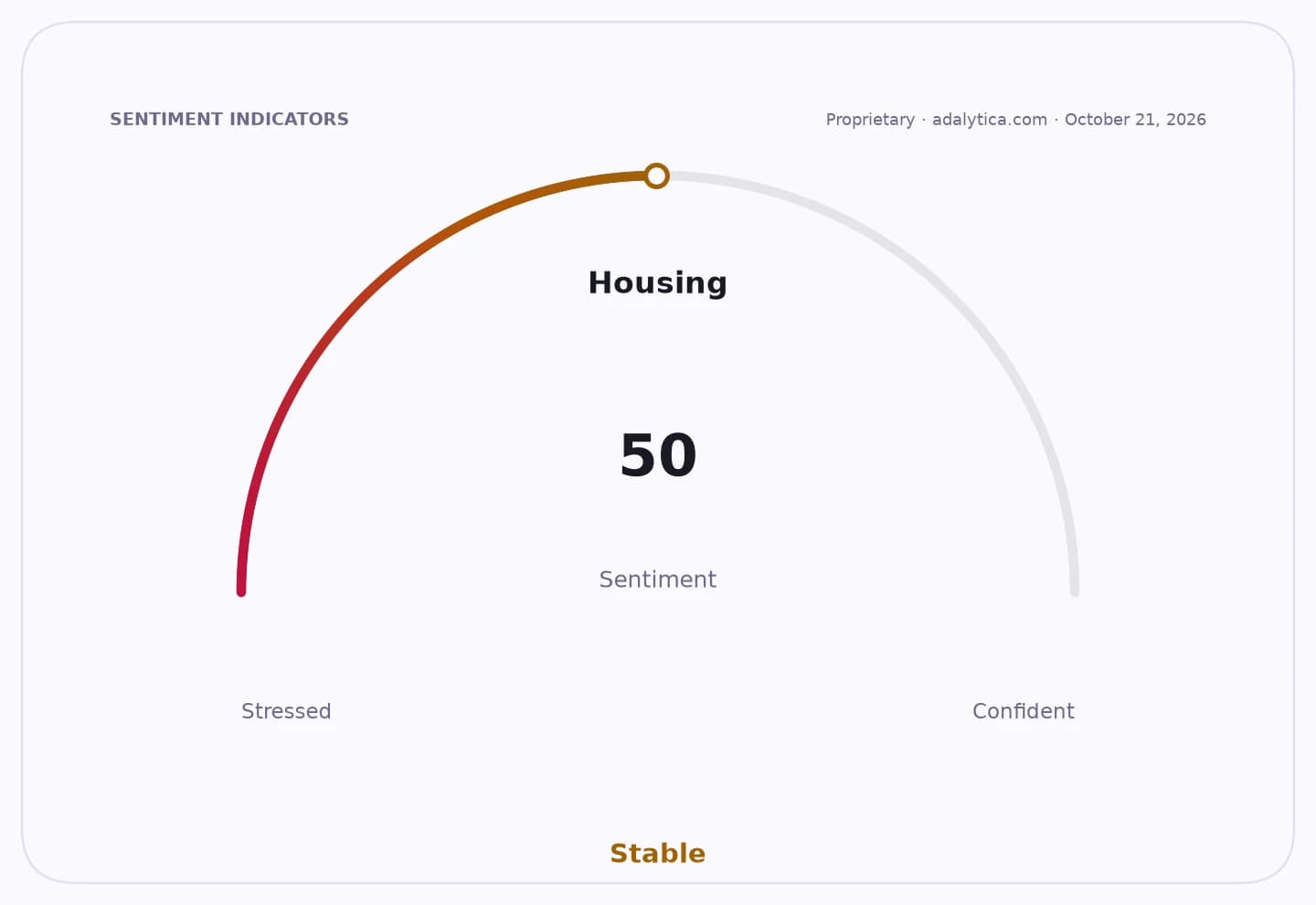
Adalytica’s Housing and Rent Inflation Sentiment gauge is still at a neutral 50, but awareness sits at an extreme fear reading of 4, underscoring how fraught the housing conversation remains. That kind of backdrop rarely resolves quickly. If rates stay high, co-ownership will likely spread, not fade — and that creates a durable, if overlooked, opportunity in the picks-and-shovels of homebuying rather than in the housing market itself.
| Entity | Gains | Losses |
|---|---|---|
| Co-buying buyers | ▲Affordability relief | ▼Less flexibility |
| Mortgage lenders | ▲Preserved loan demand | ▼Smaller borrower pool |
| Housing platforms | ▲More transaction activity | ▼Lower overall turnover |
| High-rate sellers | ▲Can still clear inventory | ▼Pricing power fades |