U.S. housing is still stuck in an uncomfortable middle ground: home prices have barely rolled over, and the best case for renters is that relief is still some way off.
U.S. Housing Prices Hold as Rent Relief Stays Distant

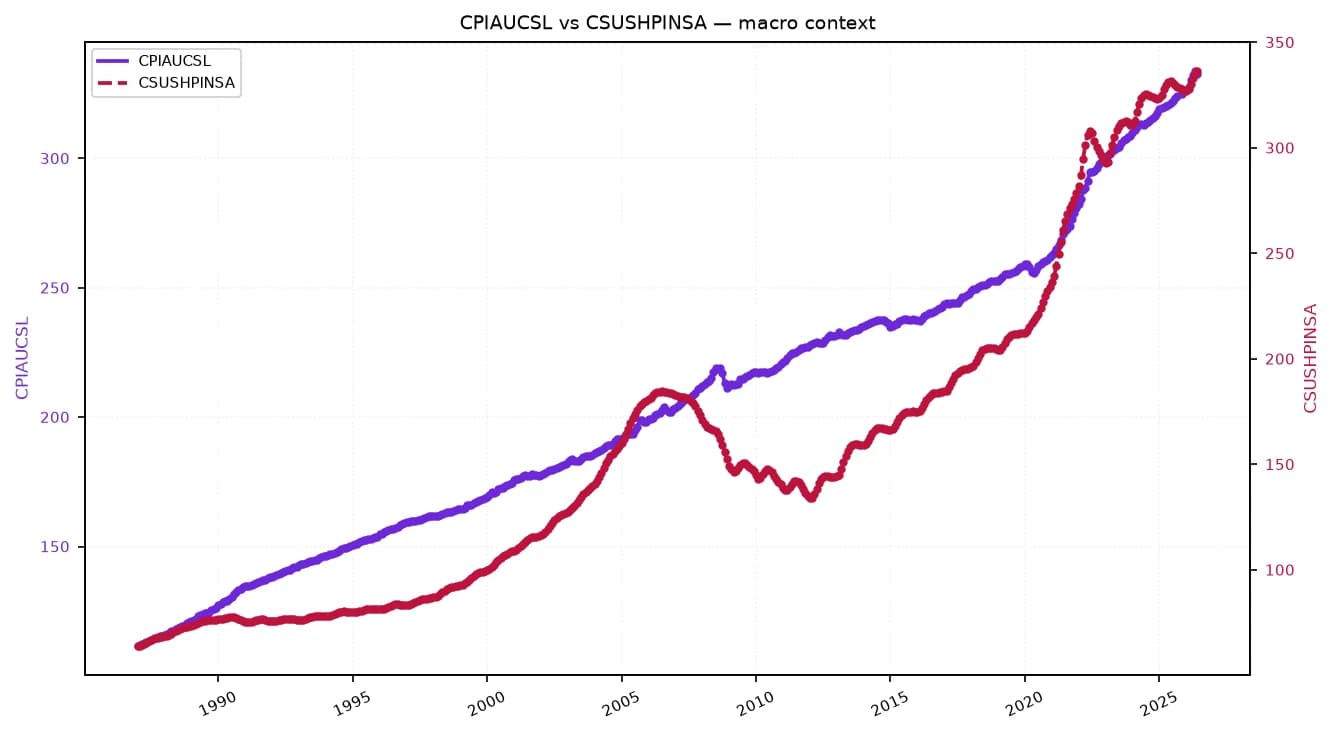
That matters because housing is one of the biggest forces shaping household inflation, mortgage affordability and real-estate returns. The latest data show the S&P CoreLogic Case-Shiller national home-price index edging up to 337.3 in July from 336.9 in June, with the index forecast to rise again to 339.9 in August. In other words, the market is not seeing a broad collapse in home values, even after the post-pandemic surge that pushed prices far above pre-2020 levels.
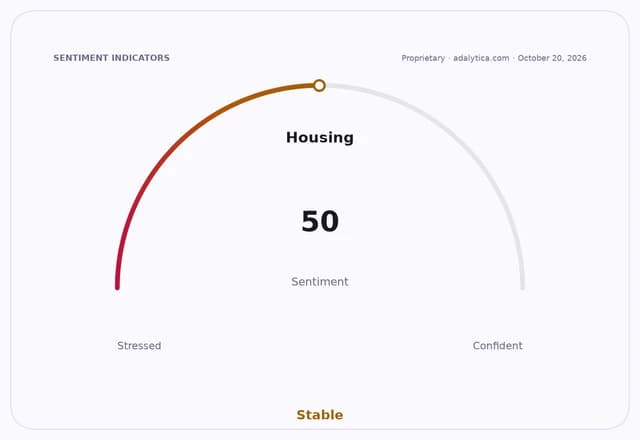
Sentiment IndicatorsⓘProprietary · adalytica.com · October 20, 2026
This is a snapshot — live sentiment, awareness and momentum for 130+ markets update continuously in the dashboard.Open AlphaPulse

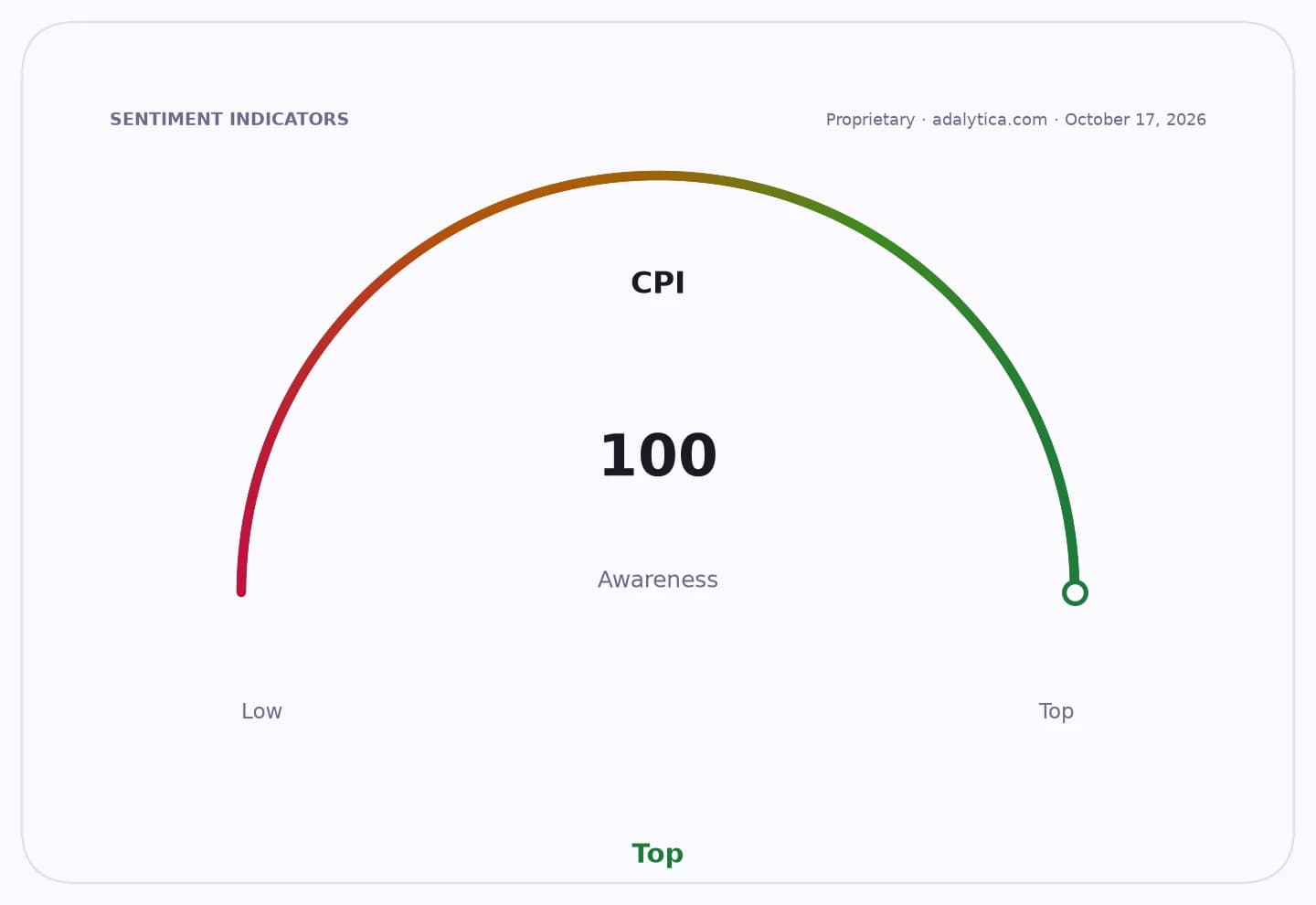
At the same time, inflation is still running hot enough to keep pressure on rents and shelter costs. The Consumer Price Index rose to 336.3 in September from 334.1 in August, and the forecast for October points only to a slight dip to 335.8. That is not the kind of backdrop that would normally bring quick relief to tenants. Housing costs tend to adjust slowly, and when mortgage rates stay elevated, would-be buyers remain renters for longer, which keeps demand under the rental market.
For investors, the key point is that the housing correction is looking more like a grind than a crash. That is usually better for owners of rental properties than for distressed sellers, but it also means affordability remains poor for consumers. Single-family rental landlords such as American Homes 4 Rent, Invitation Homes and apartment owner Essex Property Trust are still operating in a market where supply is tight enough to support cash flow, but soft enough to limit aggressive rent growth. Recent company filings back that up: Invitation Homes reported renewal lease rate growth of 3.4% over the first half of 2026, while new lease rents fell 1.2%. American Homes 4 Rent and Essex have also been navigating weaker pricing power than investors got used to during the post-pandemic boom.
CSUSHPINSA vs CPIAUCSL — macro contextadalytica.com
Explore this data interactively — full history, time series and cross-market comparisons.Open AlphaPulse
That mixed backdrop explains the political fight now building around tenant protections and rent caps. When households feel squeezed and owners are still struggling with costs, calls for intervention get louder. But caps can also discourage new supply if landlords decide the return is no longer worth the risk, which is exactly the wrong outcome if policymakers want lower rents over time.
The broader takeaway for investors is simple: housing is not offering a quick fix. Prices are holding up, rent relief is not imminent, and the tug-of-war between tenant protection and landlord economics is likely to continue. For long-term investors, that argues for patience, diversification and a focus on companies with durable balance sheets and the ability to grow through cycles. In housing, as in the rest of the market, the winners will be the businesses that can earn steady cash flow without relying on a boom.
| Entity | Gains | Losses |
|---|---|---|
| Rental landlords | ▲Steadier cash flow | ▼Rent-cap pressure |
| Tenants | ▲Potential policy relief | ▼Still-high housing costs |
| Homeowners | ▲Some price support | ▼Weak affordability for buyers |
| Policymakers | ▲More leverage on housing | ▼Risk of curbing new supply |