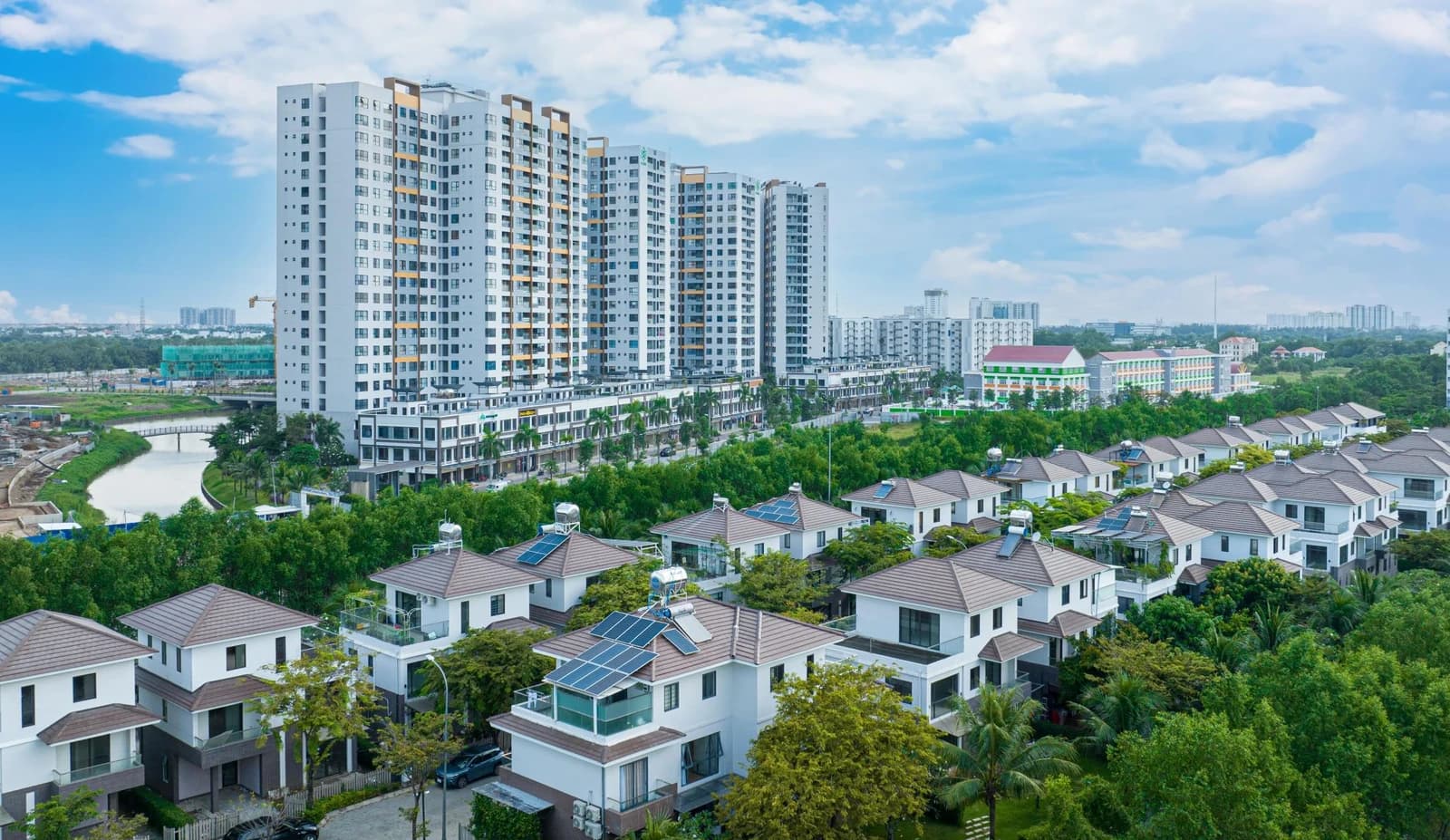
A premium beachside build-to-rent project in Perth’s Scarborough is being put up for sale after SQM Premium Major, the country’s first dedicated build-to-rent operator, decided to exit the market — a sign that the sector’s funding and operating model is still struggling to prove itself even as housing shortages keep demand elevated.
SQM Premium Major exits Perth build-to-rent project
The sale matters because build-to-rent was supposed to be one of the answers to Australia’s housing supply squeeze, offering a more institutional way to add rental stock and secure stable long-dated income. Instead, the exit of an early mover suggests the model is still vulnerable to higher financing costs, valuation resets and the challenge of scaling projects in a market where construction costs remain high and rental yields must compete with government bonds and other income assets.
Sentiment IndicatorsⓘProprietary · adalytica.com · October 20, 2026
This is a snapshot — live sentiment, awareness and momentum for 130+ markets update continuously in the dashboard.Open AlphaPulse
For investors, the transaction is a useful read on the gap between the long-term narrative and near-term economics. Premium coastal developments can still attract interest from domestic and offshore capital chasing scarce Australian residential exposure, but the pool of buyers is likely to be narrower if lenders remain cautious and if returns on newly delivered rental assets are compressed by elevated land, build and debt costs. That could force sellers to accept lower pricing, particularly for niche projects that depend on a strong leasing ramp-up to justify the initial outlay.
The timing also reflects a broader repricing across property markets as rates and risk-free yields reset expected returns. Higher borrowing costs have made income-heavy real estate strategies more selective, and build-to-rent has been especially exposed because it requires substantial upfront capital before cash flow stabilises. In that environment, the winners are likely to be groups with deep balance sheets and patient capital, while smaller operators and first movers without scale may struggle to hold assets through the development cycle.
For Australia’s housing market, the implications go beyond one project. If institutional owners cannot make the economics work, the pipeline of rental stock the sector has been counting on may slow, leaving policymakers with fewer private-sector options to ease supply pressure. That increases the importance of execution risk, construction discipline and asset selection, particularly in premium markets where upside depends on both affluent renters and investor confidence.
| Entity | Gains | Losses |
|---|---|---|
| Buyers with patient capital | ▲Potentially discounted acquisition | ▼Limited competition |
| SQM Premium Major | ▲Exits a difficult market | ▼Ongoing funding risk |
| Existing rental supply | ▲Scarcer institutional attention | ▼Slower pipeline growth |
| Australian housing policymakers | ▲Clearer stress test for the sector | ▼Less near-term supply relief |