Buying a house in Miami-Dade now requires a median $692,000, underscoring how South Florida remains one of the nation’s least affordable major housing markets even as sales volumes soften and financing costs stay elevated.
Miami-Dade Median Home Price Hits $692,000
The median price for single-family homes rose 4.06% from September 2025 and is far above Florida’s statewide median of $415,000, according to Miami Realtors data released Oct. 16. At that level, a 20% down payment would require $138,400 upfront, with the remaining $553,600 loan carrying an estimated monthly principal-and-interest payment of about $3,855 on a 30-year fixed mortgage at 7.46% — before taxes, insurance, closing costs or homeowners association fees.
That gap between Miami-Dade and the rest of Florida matters because it reflects a market still supported by wealthier buyers, limited supply and persistent migration demand, even as affordability pressures keep a broader slice of households on the sidelines. Closed sales fell 2% from a year earlier to 1,733 in September, suggesting prices are being held up by the quality of demand rather than a surge in transaction volume.
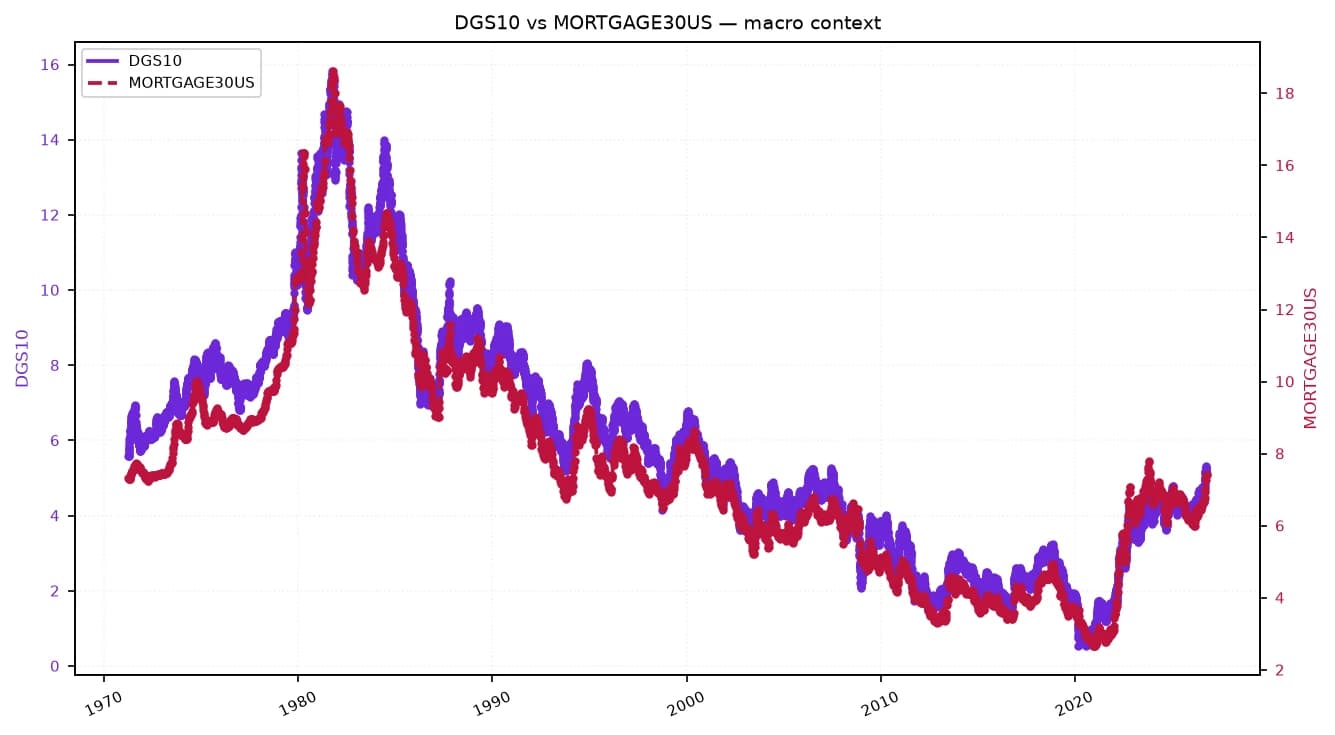
The cash share remains a major feature of the market. Roughly 38.3% of September sales were all-cash, a sign that mortgage rates are reshaping the buyer pool and leaving financed purchasers at a disadvantage. With 30-year mortgage rates at 7.4%, near the highest levels in years, monthly payments are stretching far beyond the reach of many first-time buyers and even many move-up households.
Condominiums remain the cheaper entry point, but not necessarily a simple bargain. The median condo price was $417,090, down 0.69% from a year earlier, and would imply a monthly mortgage payment of roughly $2,325 on the same financing assumptions. Yet condos also come with building fees, insurance and potential special assessments, which can quickly erode the price advantage. Supply is also much looser in that segment, at 12.3 months of inventory versus 5.1 months for single-family homes, giving buyers more room to negotiate but not guaranteeing lower total ownership costs.
For investors, the market still points to resilience at the top end. Miami-Dade recorded 24 sales of homes and condos priced at $30 million or more in the first nine months of 2026, already topping the 21 such transactions seen in all of 2025. That suggests luxury demand — often driven by domestic and international cash buyers — remains a stabilizing force even as the middle of the market stays constrained by financing costs.
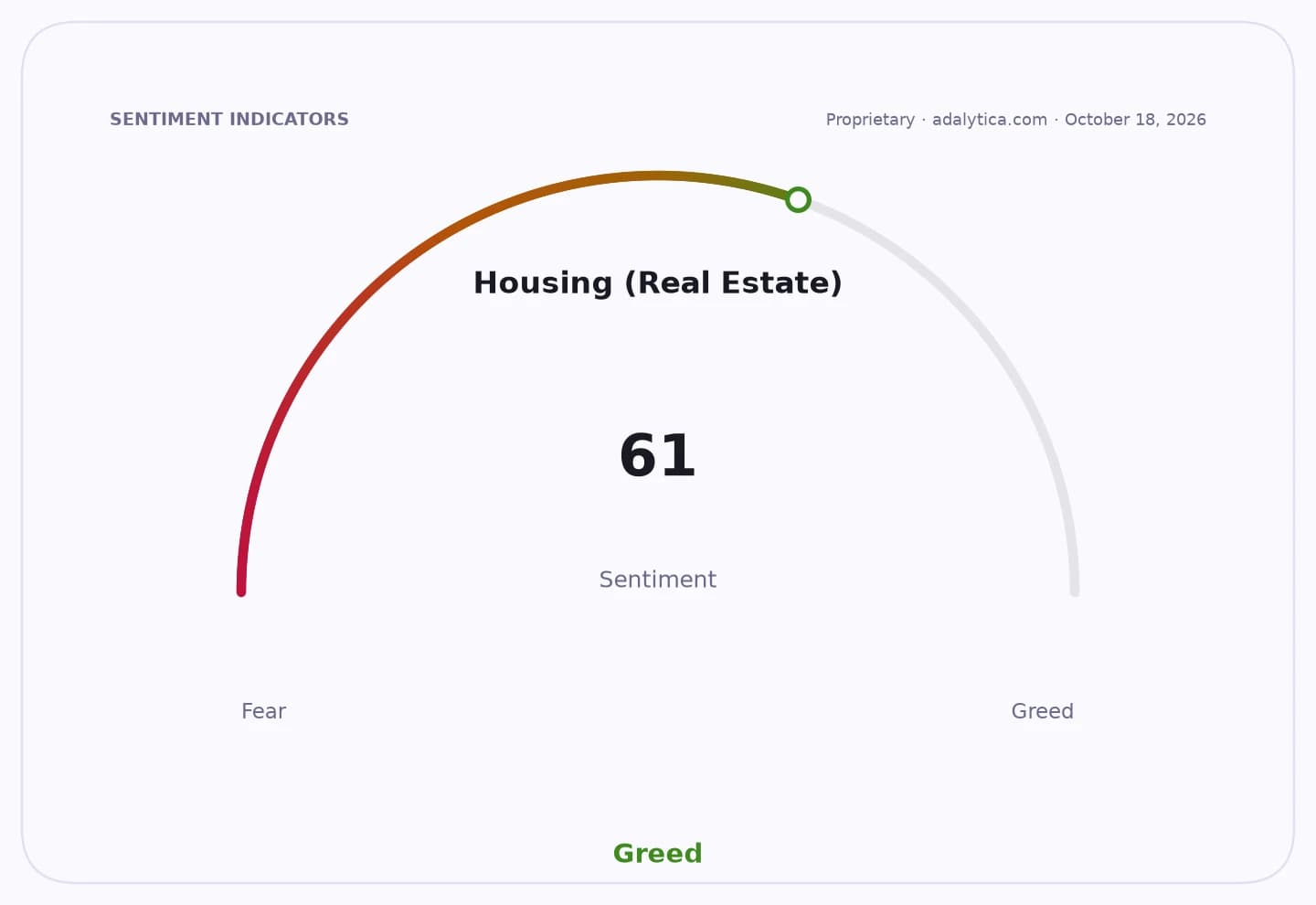
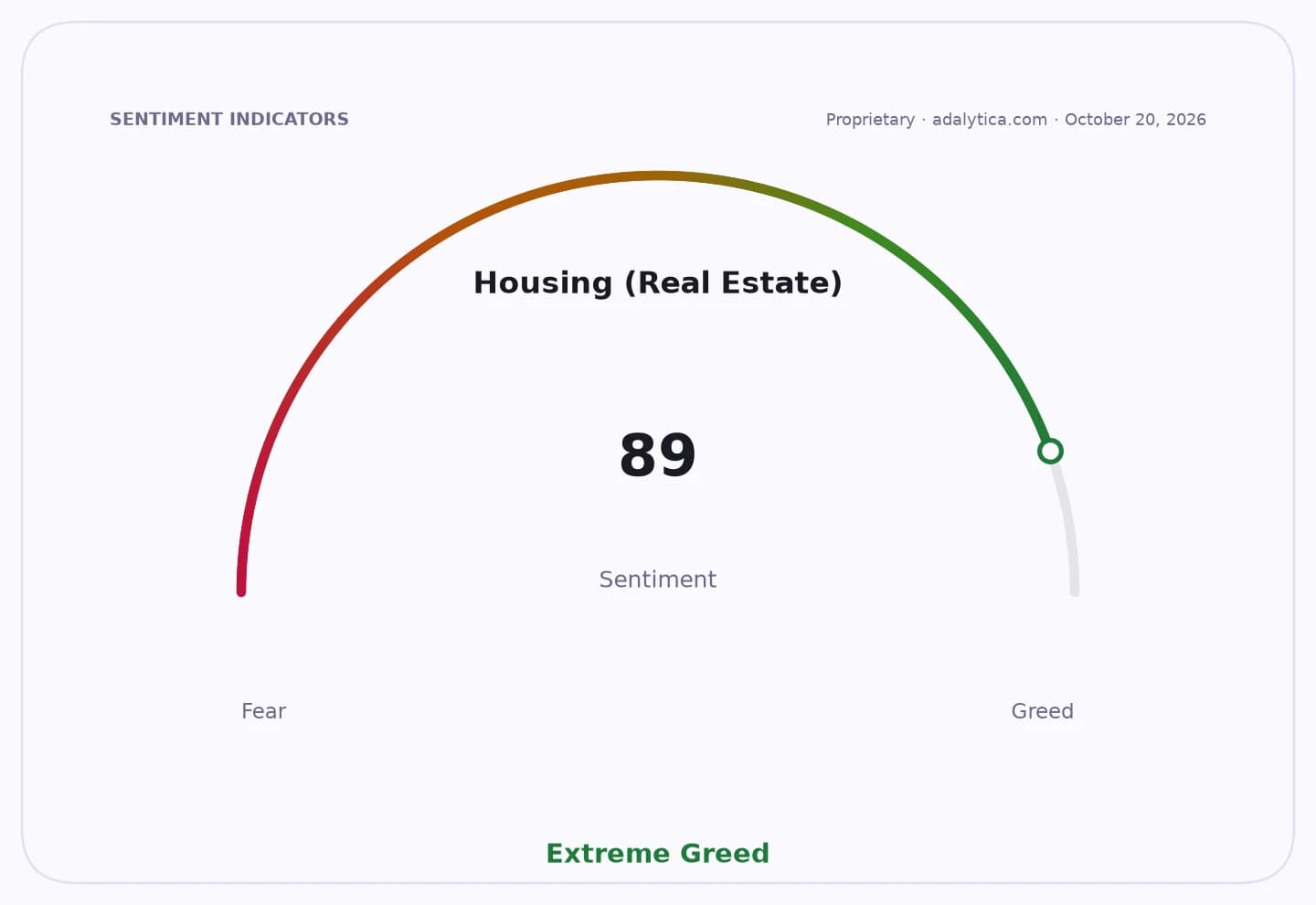
Housing-related equities have reflected that tension. Builders and rental landlords with exposure to Florida have been caught between high rates and stubborn underlying demand, while conventional technical indicators on homebuilder ETFs such as XHB and ITB have weakened in recent sessions. XHB and ITB both trade below their 50-day and 200-day moving averages, with subdued RSI readings, pointing to caution over the sector’s near-term earnings outlook. At the same time, Adalytica’s Housing Fear & Greed Index shows “Extreme Greed,” suggesting investors are still pricing in structural housing strength even as trading momentum deteriorates.
The next catalyst will be whether mortgage rates ease enough to re-open the financed-buyer pool. Until then, Miami-Dade’s housing market is likely to remain a tale of two segments: a luxury tier powered by cash and scarcity, and a broader market where even a median-priced home demands an income and down payment far above what most households can comfortably manage.
| Entity | Gains | Losses |
|---|---|---|
| Luxury cash buyers | ▲More negotiating power | ▼Little |
| Financed homebuyers | ▲Some choice in condos | ▼Affordability pressure |
| Miami-Dade sellers | ▲High price support | ▼Fewer closings |
| Homebuilders/rental landlords | ▲Persistent demand at top end | ▼Rate-sensitive buyers |