A 1910 Colonial home in San Antonio has cut its asking price by $200,000 to $895,000, underscoring how higher borrowing costs are forcing even character properties in desirable inner-city neighborhoods to reset expectations.
San Antonio Colonial Home Cuts Price to $895,000
The three-story residence on Dewey Place sits behind the St. Mary’s Strip, where location and historic appeal would normally support a premium. But the deeper message for the housing market is that buyers are still resisting elevated prices after a sharp run-up in home values and a renewed jump in mortgage rates.
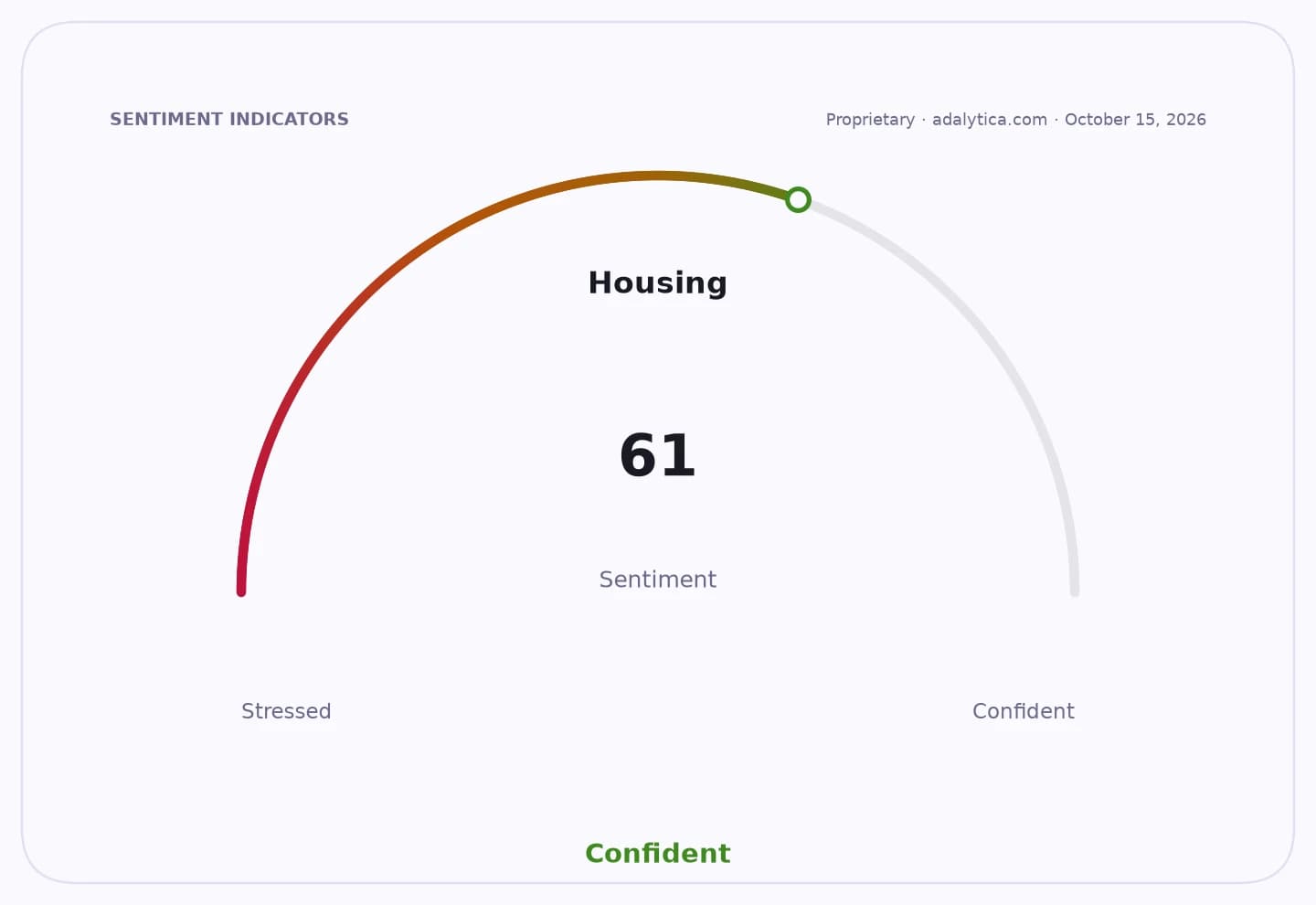
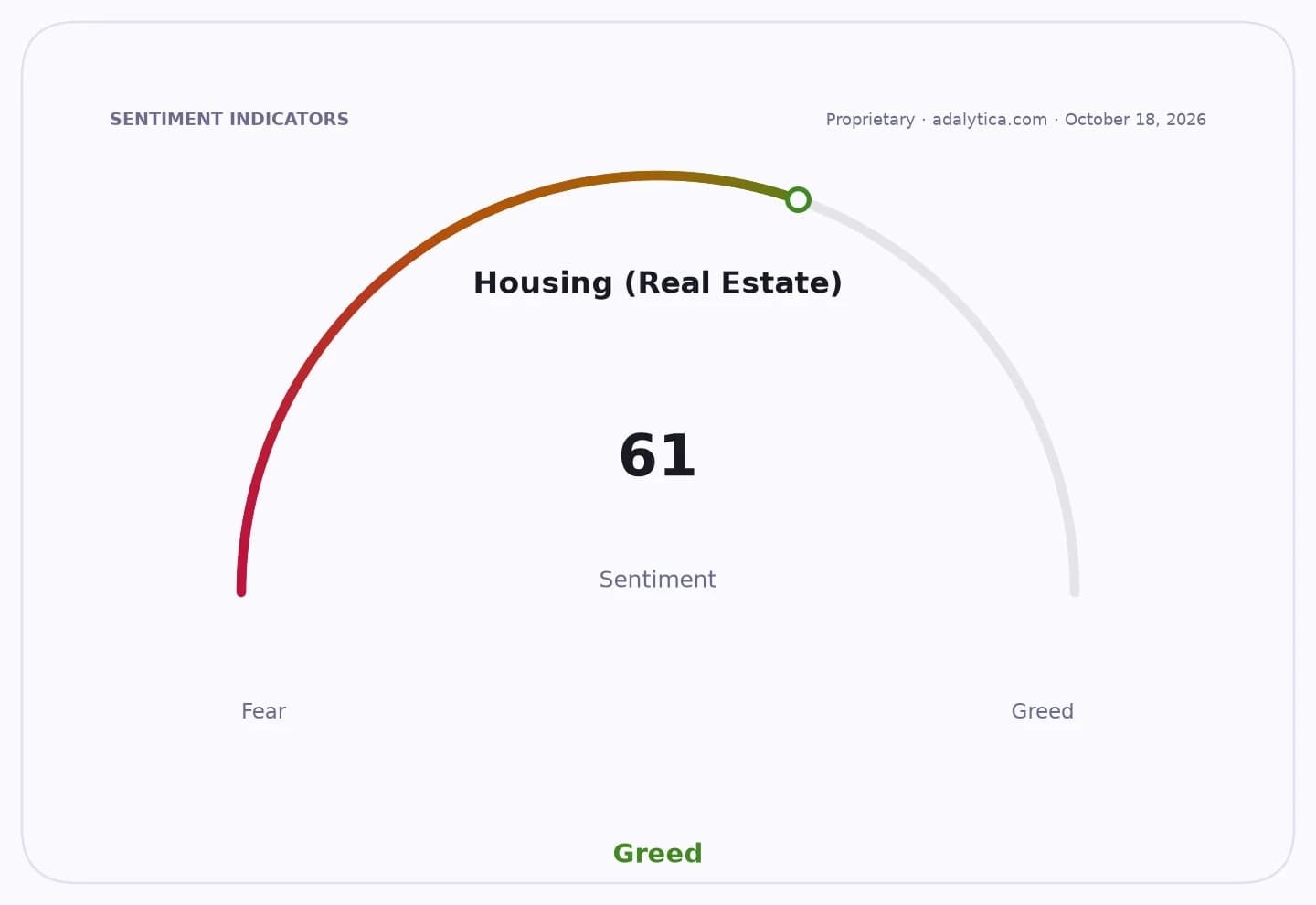
Sentiment IndicatorsⓘProprietary · adalytica.com · October 18, 2026
This is a snapshot — live sentiment, awareness and momentum for 130+ markets update continuously in the dashboard.Open AlphaPulse
The discount comes against a national backdrop that has turned less forgiving for sellers. The 30-year mortgage rate has climbed back to 7.4%, near levels that materially shrink affordability and reduce the pool of qualified buyers. At the same time, the S&P CoreLogic Case-Shiller U.S. national home price index is still rising, but only modestly, with the latest reading at 337.306 in July after a 0.12% monthly gain, suggesting the market has lost much of the momentum that powered earlier price increases.
That combination matters economically because resale housing remains one of the most rate-sensitive parts of the economy. When mortgage costs rise, buyers typically trade down, delay purchases or demand concessions, and sellers in higher-priced segments are often the first to absorb the adjustment. A historic property with two kitchens, a three-car garage and original stained glass should help limit the pain, but the $200,000 cut suggests even differentiated homes are no longer immune to price discipline.
For investors and would-be homebuyers, the sale is a useful read-through on local housing demand. It points to a market where presentation and neighborhood cachet still matter, but financing costs now dominate the equation. The home’s revised price of $895,000 also puts it in a bracket where monthly payments can move sharply with even small rate changes, making affordability the key constraint rather than inventory alone.
Broader housing conditions support that interpretation. U.S. housing starts data have been volatile, and while construction activity can bolster supply over time, it does not quickly solve affordability problems for buyers facing elevated rates. In that environment, sellers of premium and quasi-premium homes may need to meet the market faster, especially if their listings sit long enough to invite bigger discounts.
The immediate question is whether this price cut proves to be a one-off correction or part of a broader pattern of repricing in San Antonio’s character-home segment. If mortgage rates stay high, sellers of renovated century homes may keep trimming expectations; if financing costs ease, well-located historic properties could regain pricing power. For now, the message is clear: in a rate-driven market, even the nicest house on the block is only worth what buyers can still afford to finance.
| Entity | Gains | Losses |
|---|---|---|
| San Antonio buyers | ▲More negotiating power | ▼Higher monthly costs |
| Home seller | ▲Faster market interest | ▼Lower asking price |
| Mortgage lenders | ▲More demand if deals close | ▼Fewer qualified borrowers |
| Nearby historic-home sellers | ▲Comparable pricing clarity | ▼Pressure to cut prices |